
Turin, Italy
Overview
Turin, a city of royal history and stunning architecture, invites you to explore its elegant squares, baroque churches, and world-class museums. Indulge in the rich culinary scene, from traditional Piedmontese dishes to artisanal chocolates, and experience the vibrant energy of this captivating Italian city.
Best Time to Travel
Best Months
Spring and Fall
Pleasant weather conditions
Months to Avoid
Check local weather patterns
Consider visiting during other months
Peak Season
Summer months
Expect larger crowds and higher prices
Top Things to Do

Castello del Valentino

Chiesa del Santo Volto

Santuario della Madonna della Bassa

Museo del Risorgimento of Asti

Marchesi Alfieri

Santuario Diocesano Madonna Di Crea

Museo Egizio

Allianz Stadium

Real Chiesa di San Lorenzo

Acquajoy

Museo Nazionale dell'Automobile

Royal Palace of Turin

Cattedrale di San Giovanni Battista

Palazzo Madama

Basilica of Superga

La Venaria Reale

Chiesa Parrocchiale della Gran Madre di Dio

Damanhur and the Temples of Humankind

Santuario della Consolata

Museo Civico Pietro Micca e dell’Assedio di Torino del 1706

Hotel Lo Scoiattolo

Relais Bella Rosina

Hotel Rigolfo

Hotel Verdina
Recommended Hotels
Search All Hotels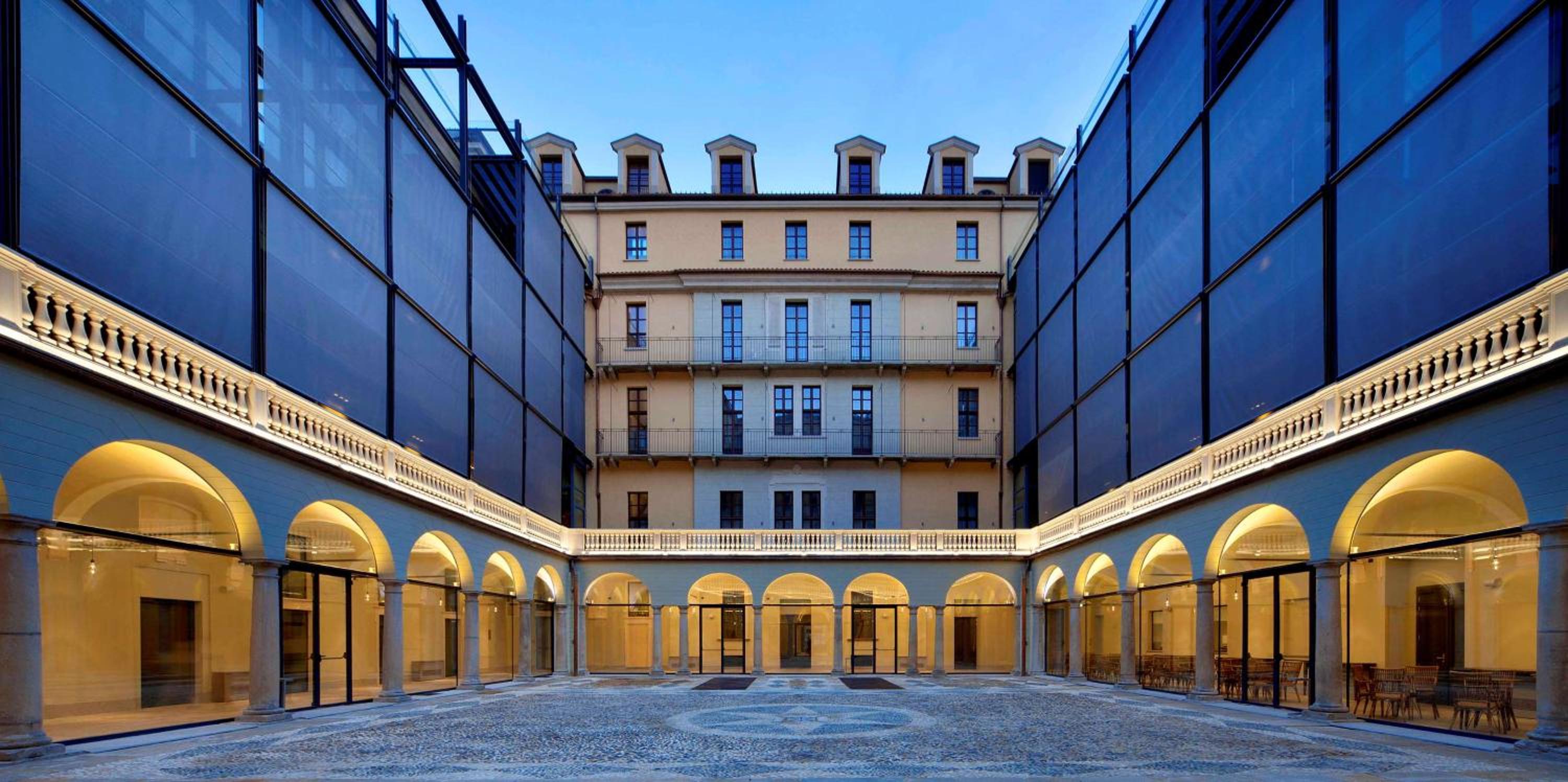
NH Collection Torino Piazza Carlina
Piazza Carlo Emanuele II, 15
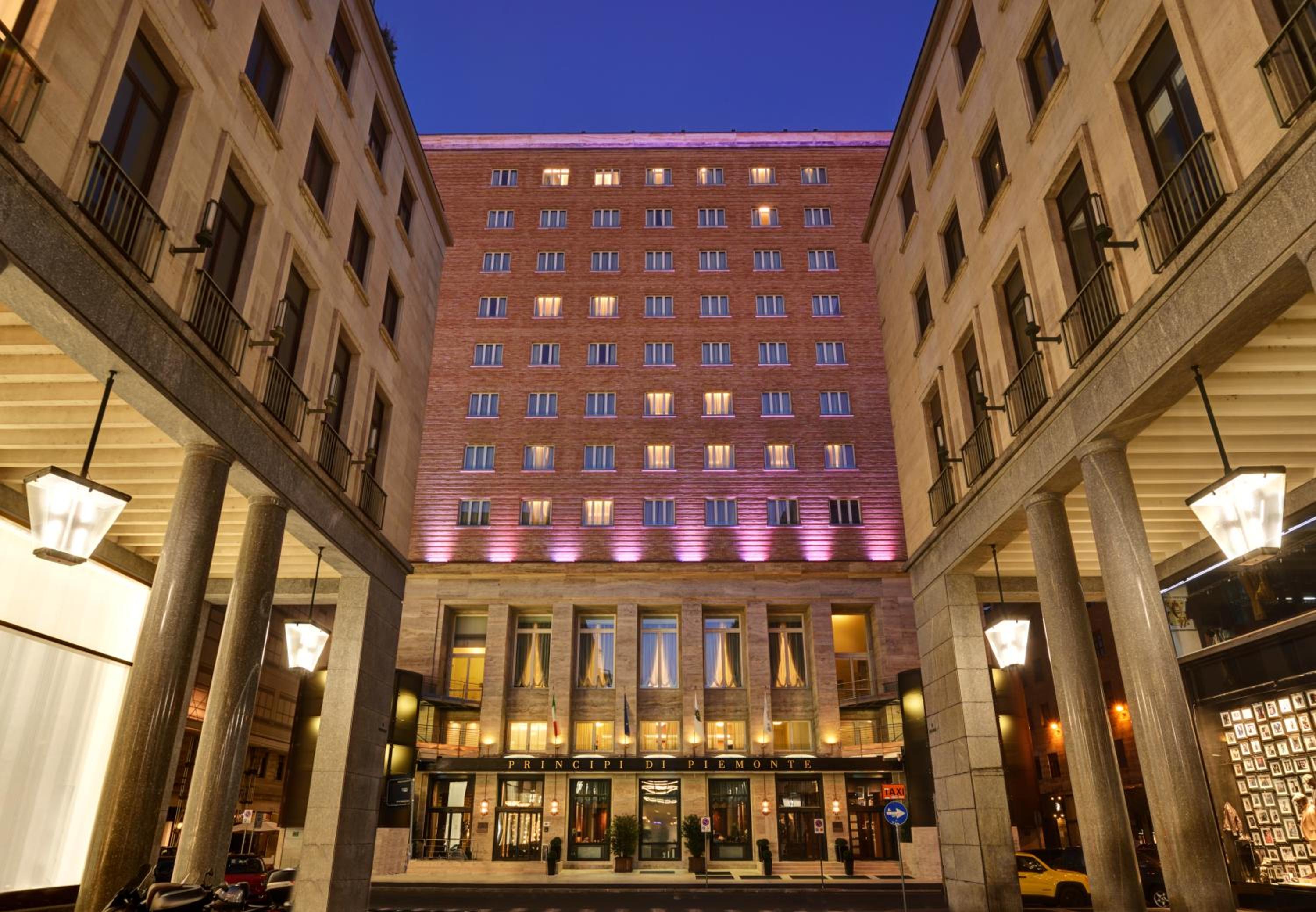
Principi di Piemonte | UNA Esperienze
Via Piero Gobetti, 15
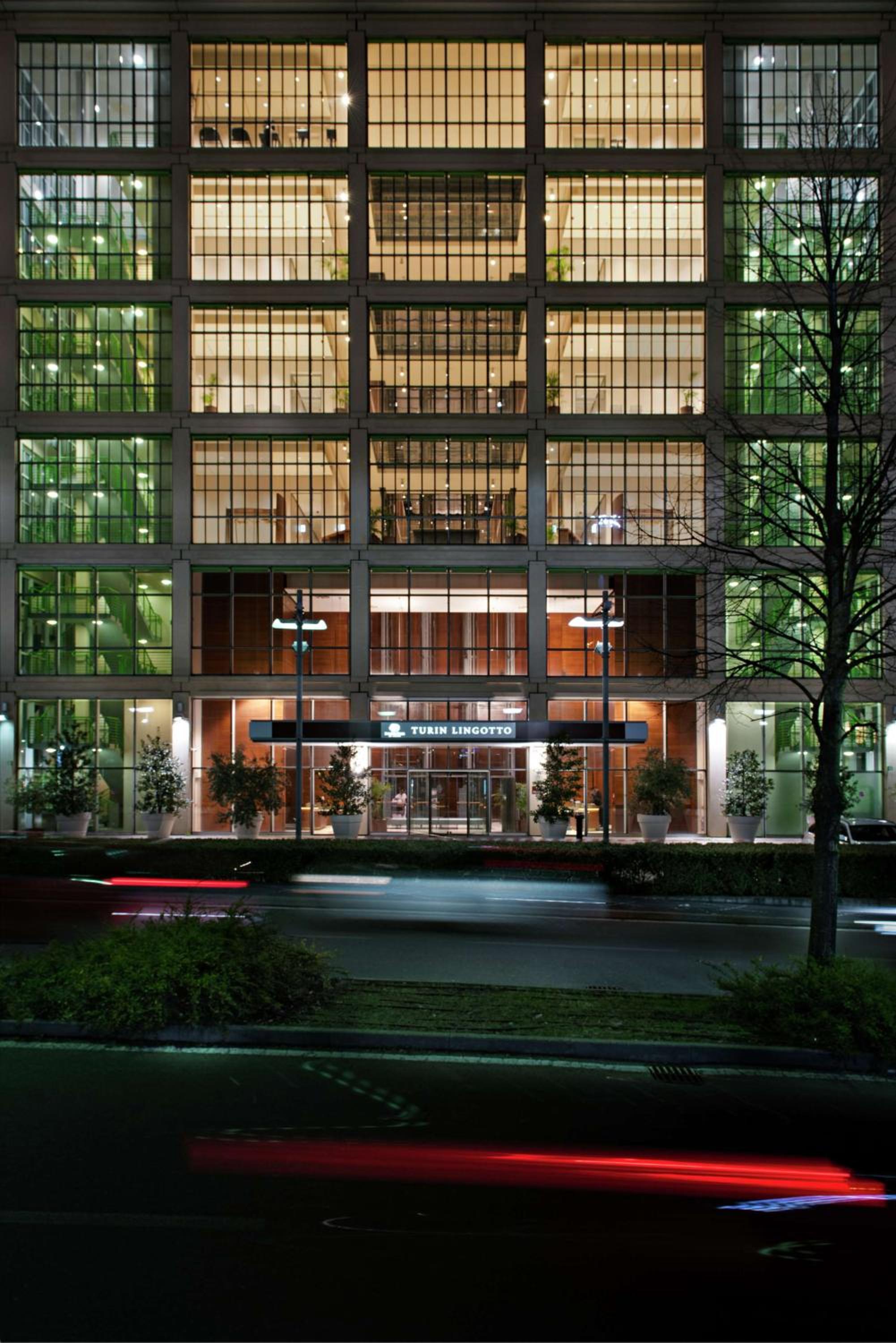
DoubleTree by Hilton Turin Lingotto
Via Giacomo Mattè Trucco, 1
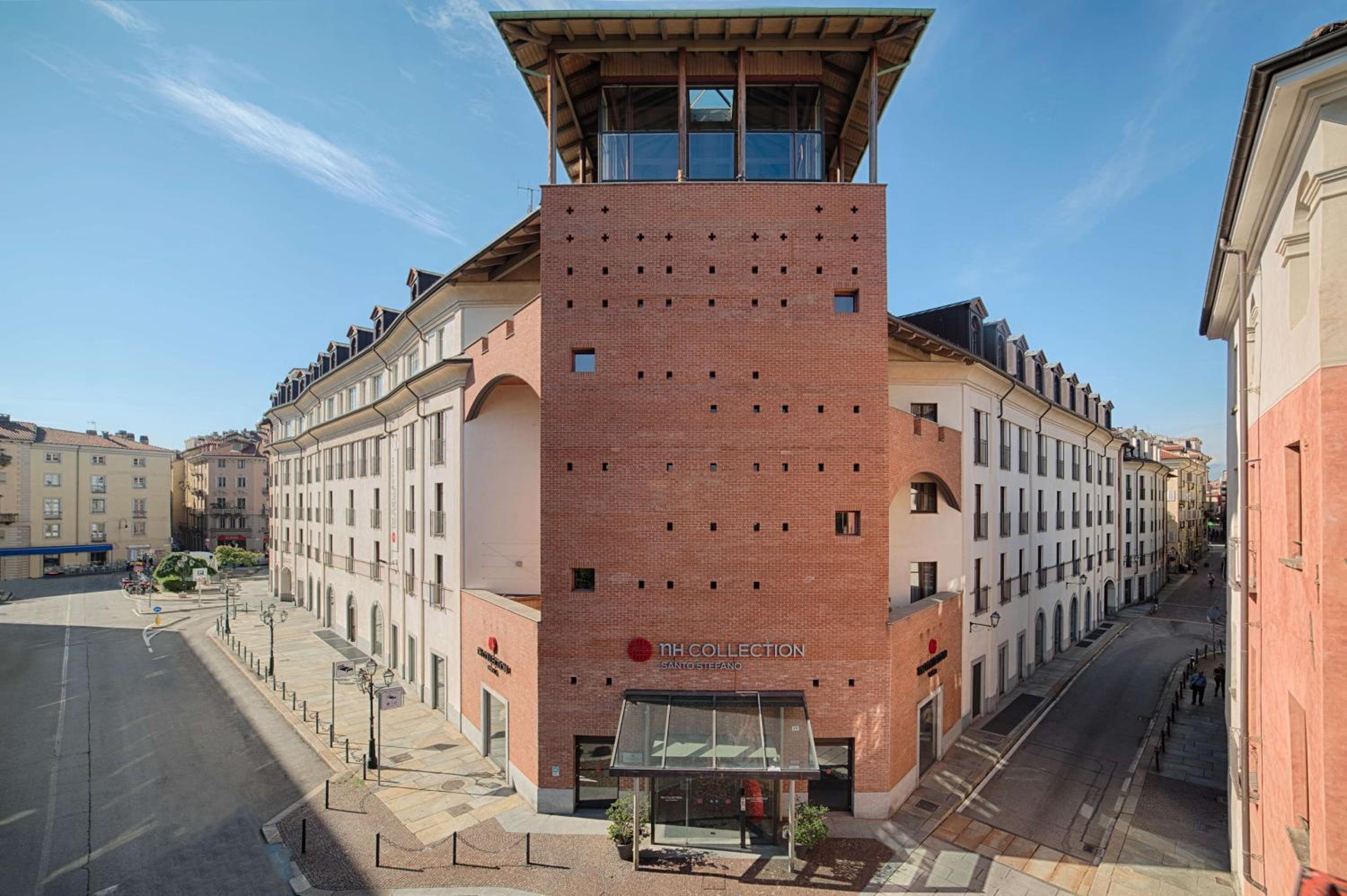
NH Collection Torino Santo Stefano
Via Porta Palatina, 19

Starhotels Majestic
Corso Vittorio Emanuele II 54
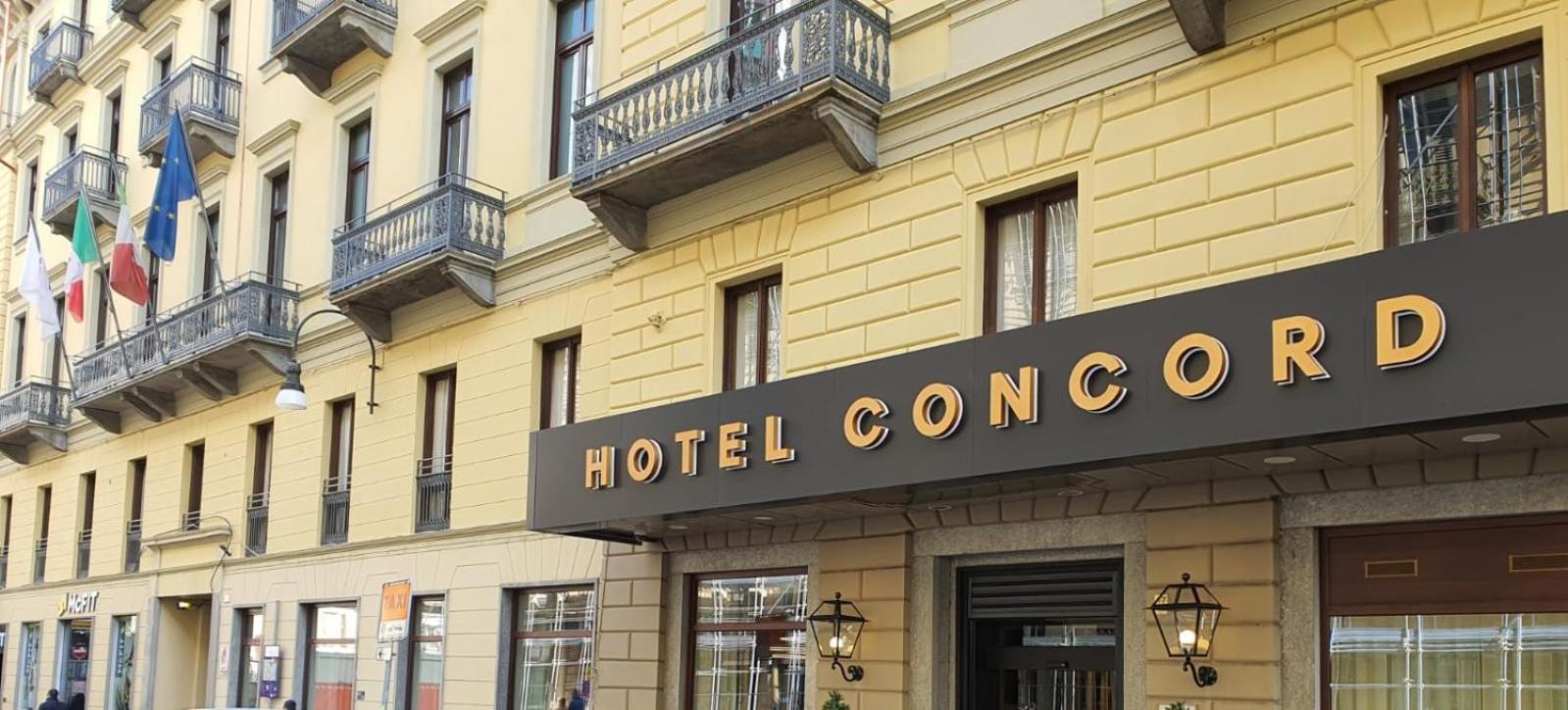
Hotel Concord
Via Lagrange 47

Hotel Diplomatic
Via Cernaia 42
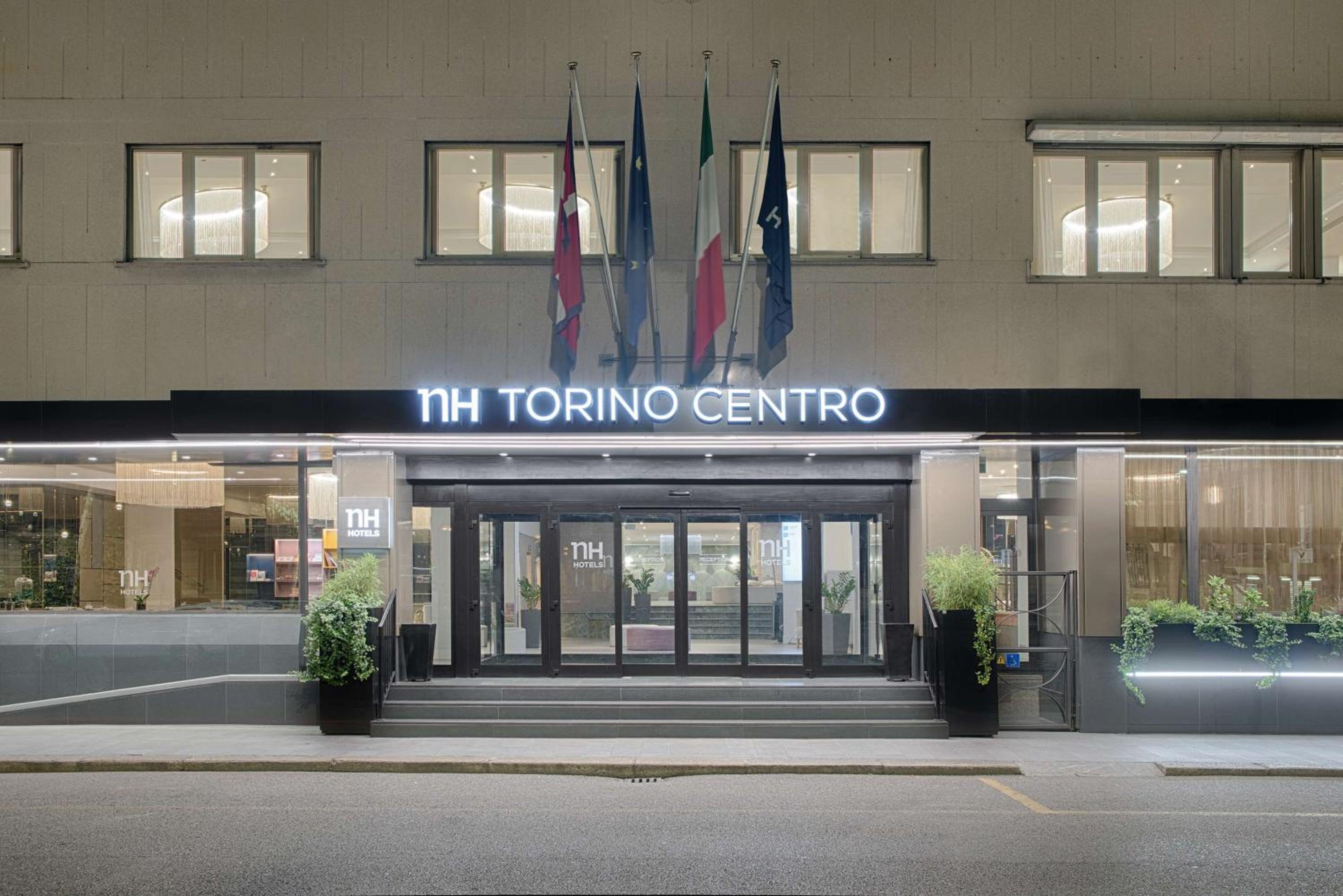
NH Torino Centro
Corso Vittorio Emanuele II 104
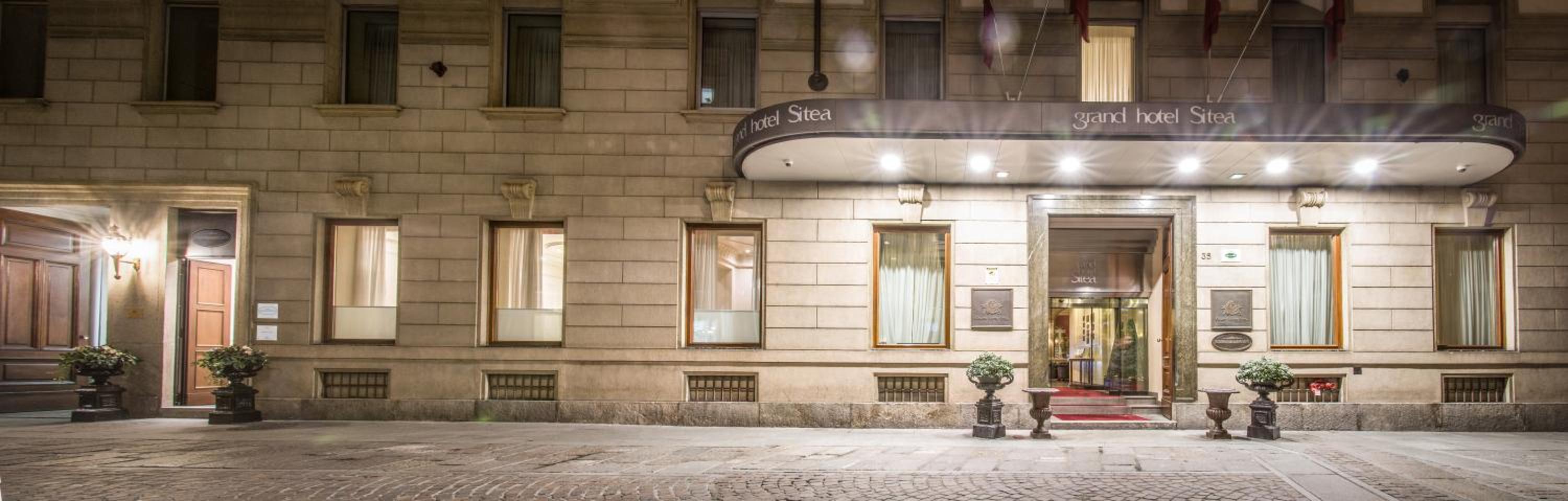
Grand Hotel Sitea
Via Carlo Alberto, 35
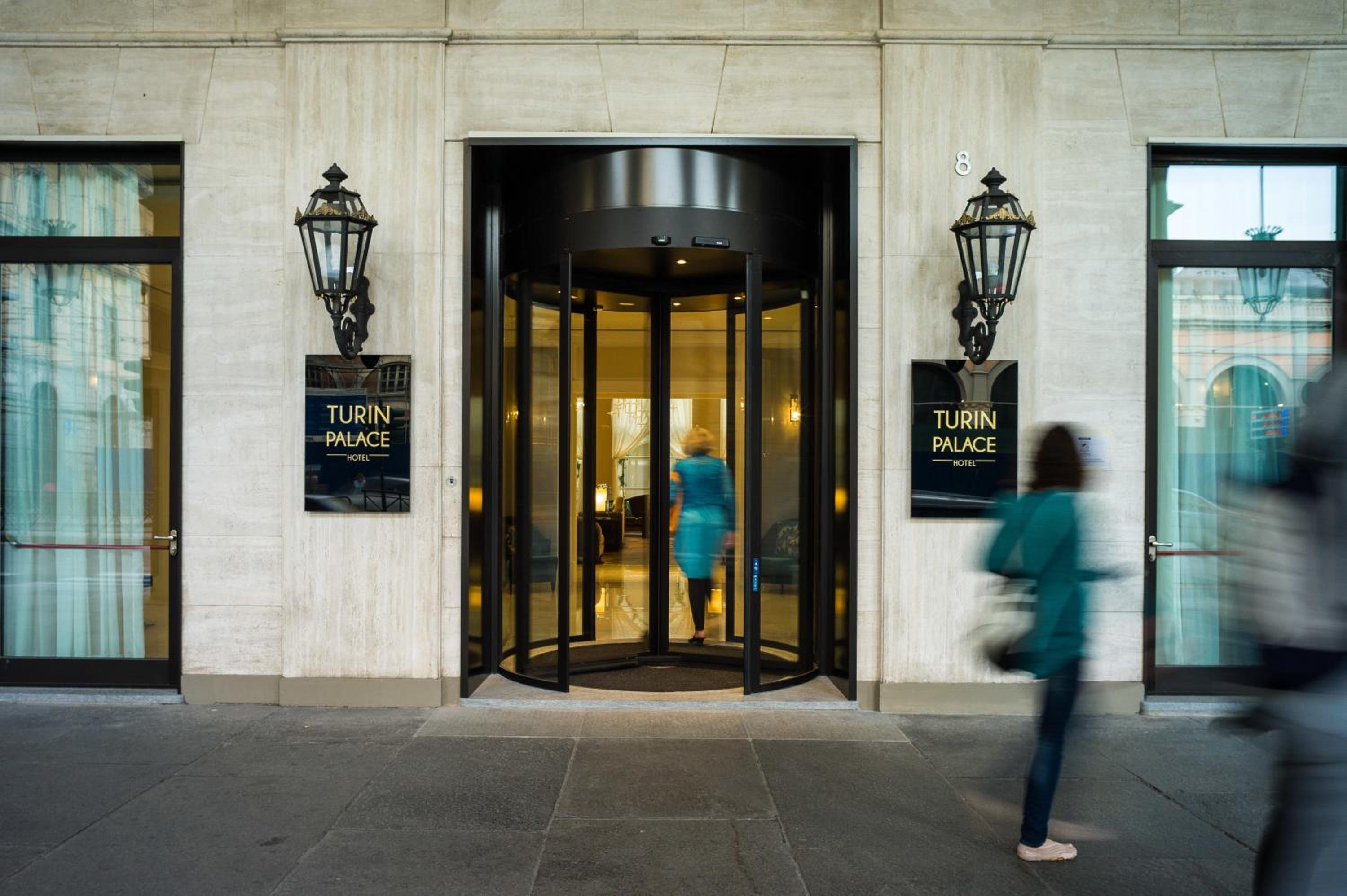
Turin Palace Hotel
Via Sacchi 8
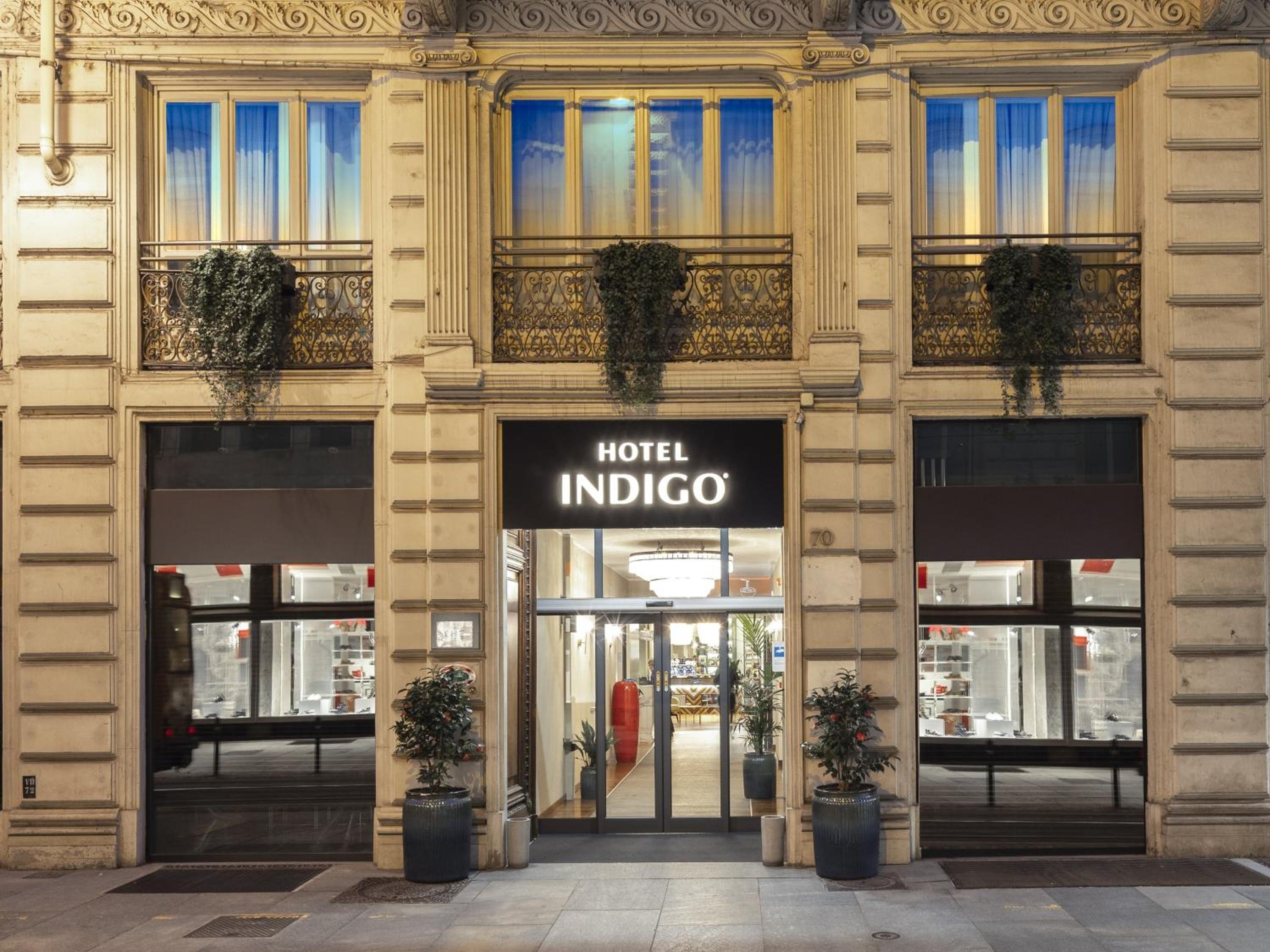
Hotel Indigo Turin by IHG
Via XX Settembre 70
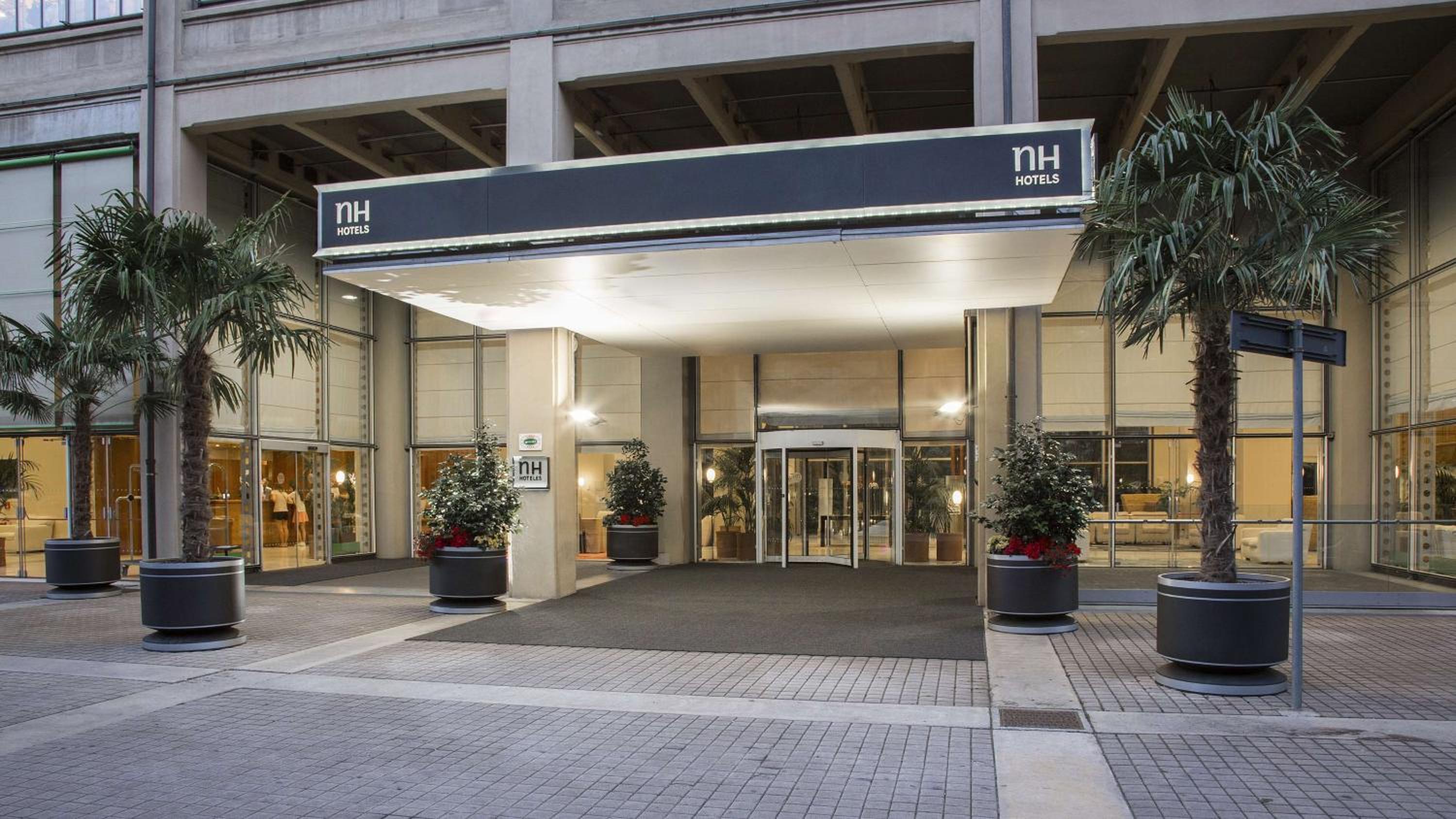
NH Torino Lingotto Congress
Via Nizza, 262
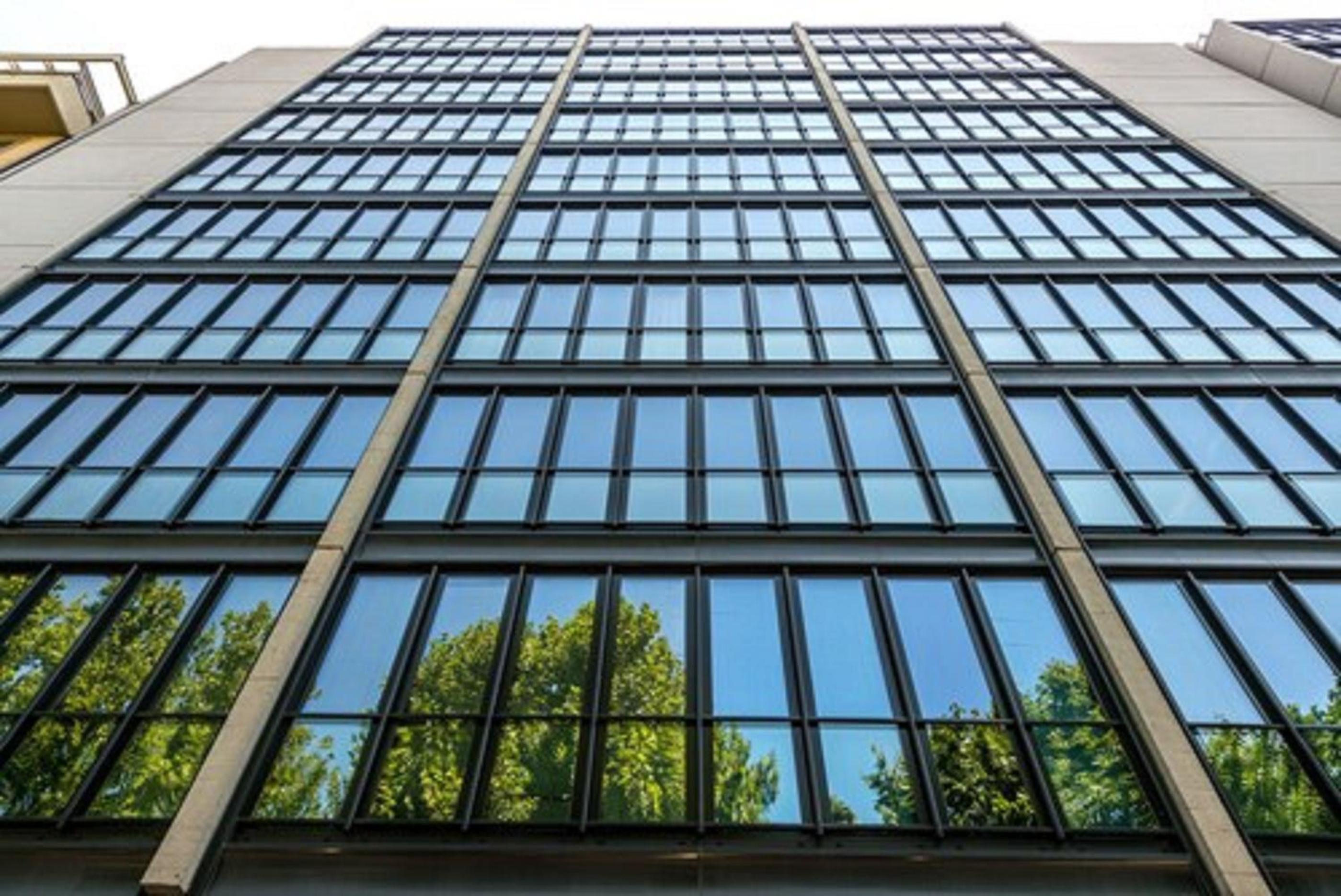
DUPARC Contemporary Suites
C.so Massimo D'Azeglio 21
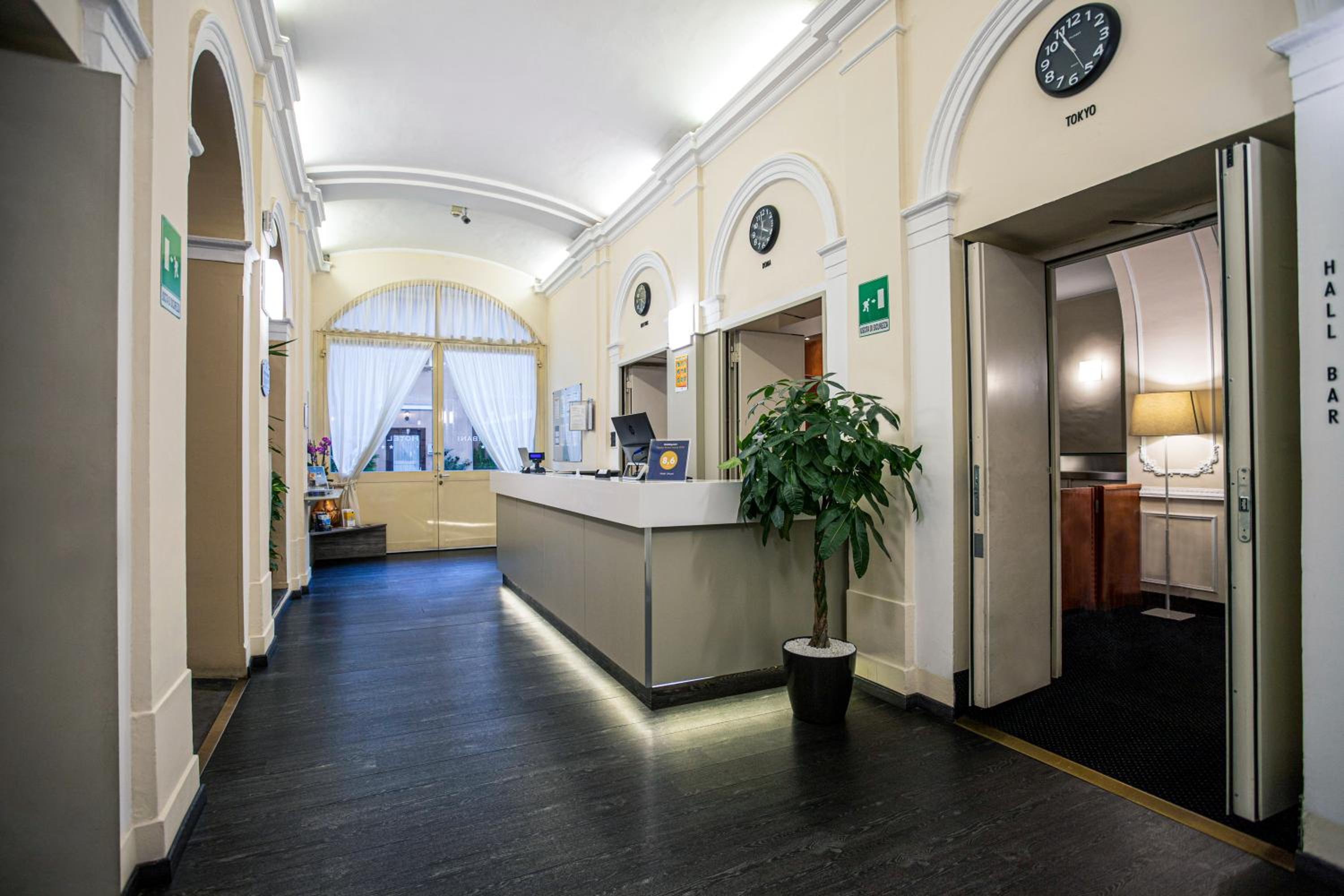
Hotel Urbani
Via Saluzzo 7
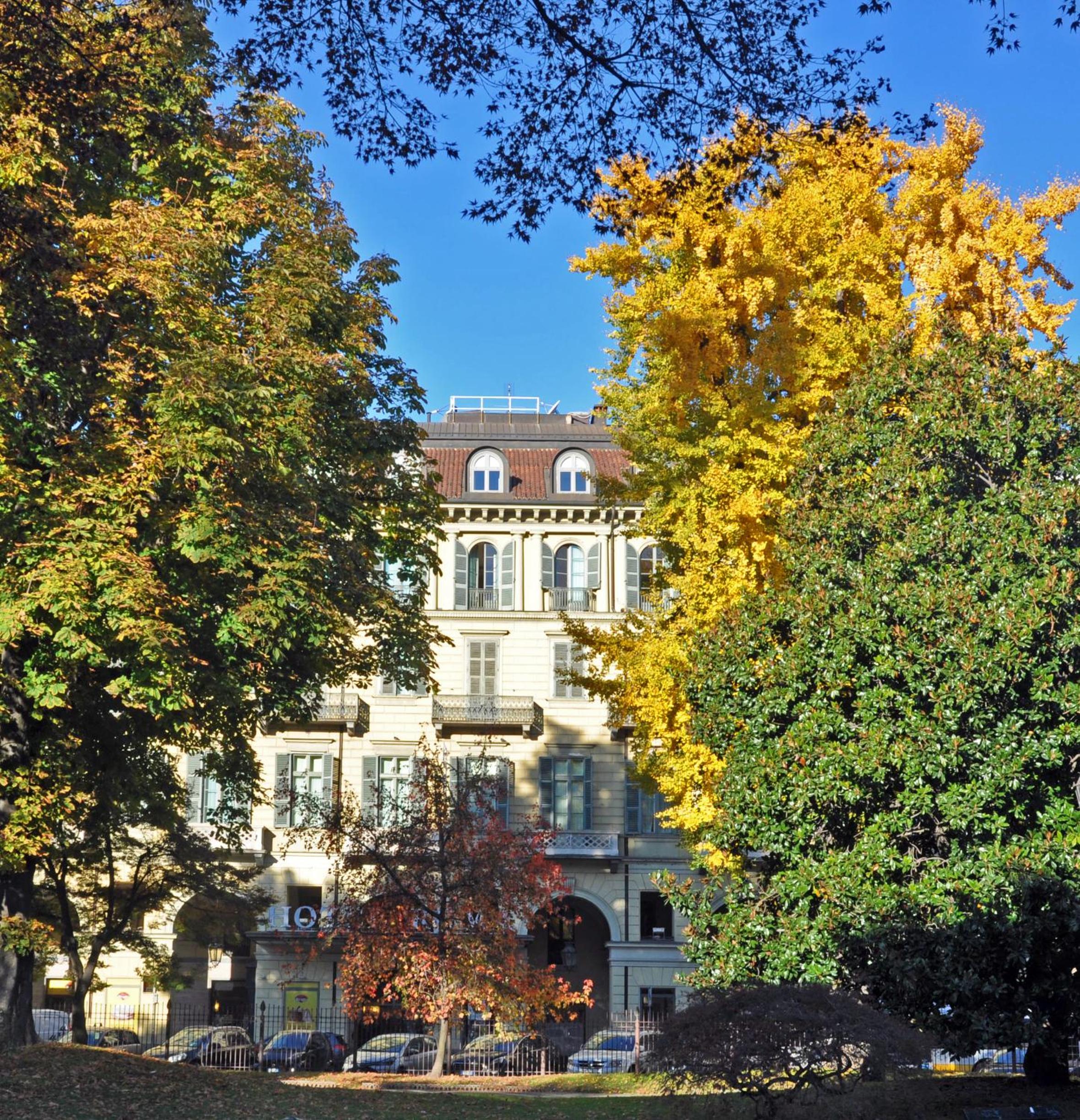
Hotel Roma e Rocca Cavour
Piazza Carlo Felice 60
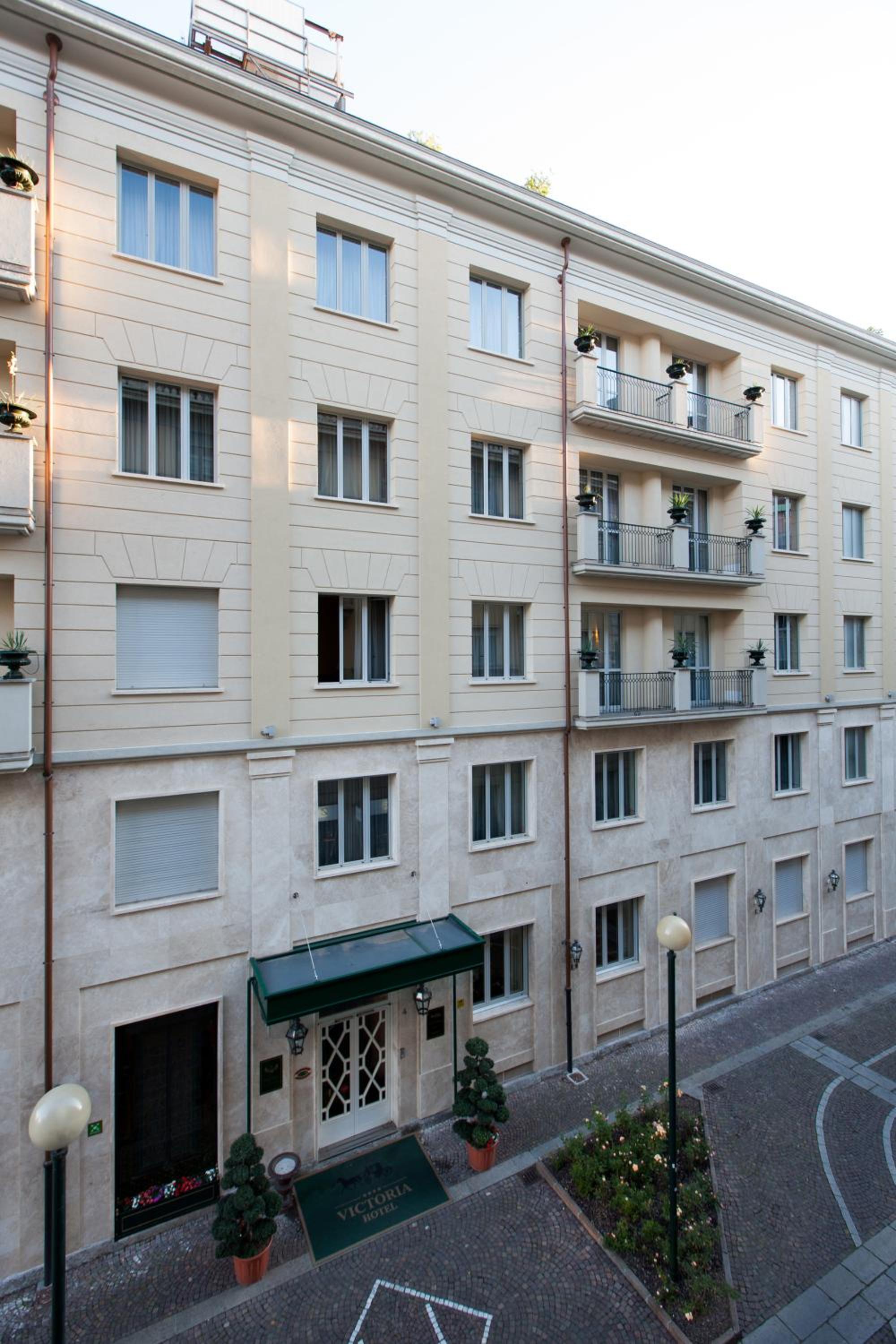
Hotel Victoria & Iside Spa
Via Nino Costa, 4
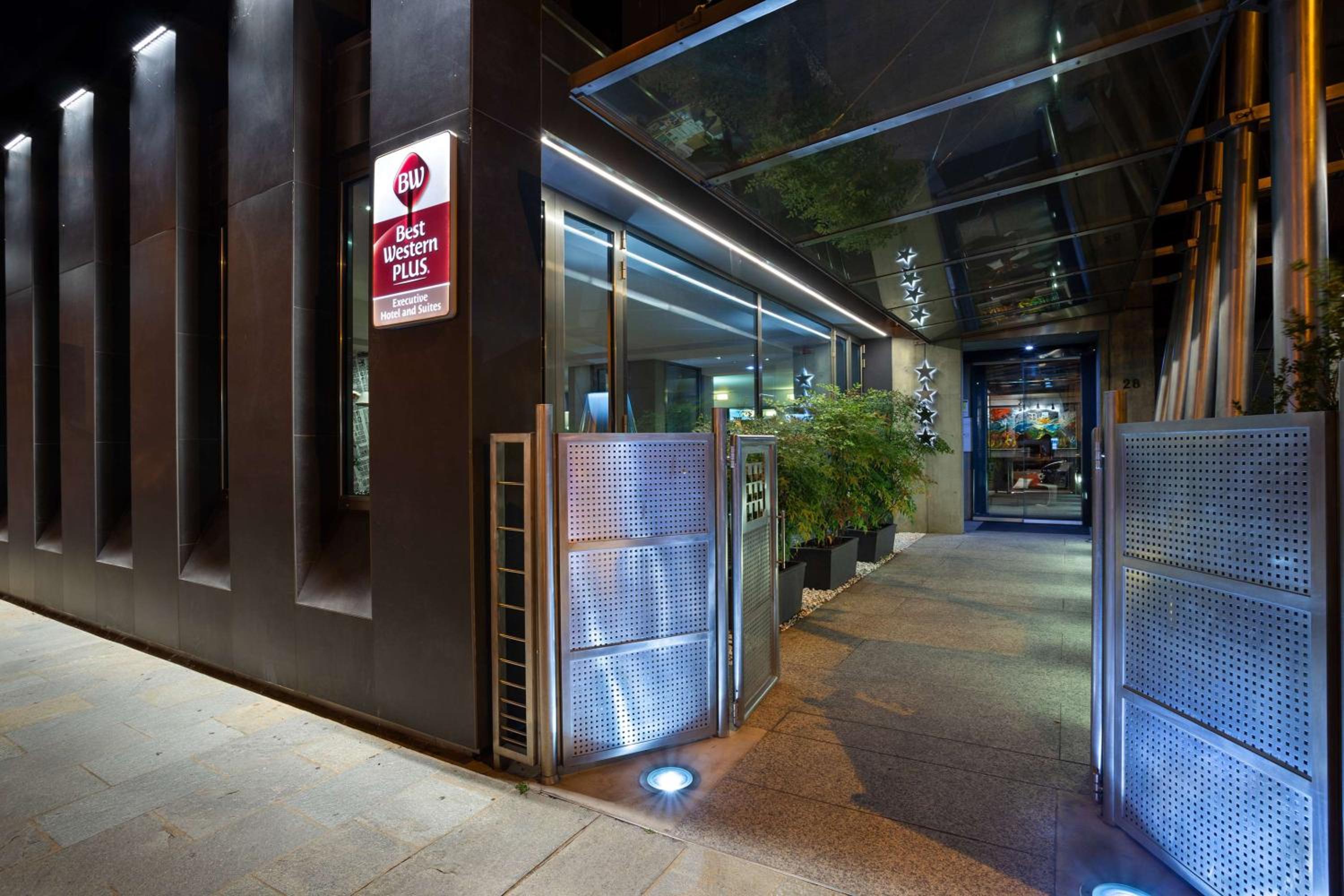
Best Western Plus Executive Hotel and Suites
Via Nizza 28
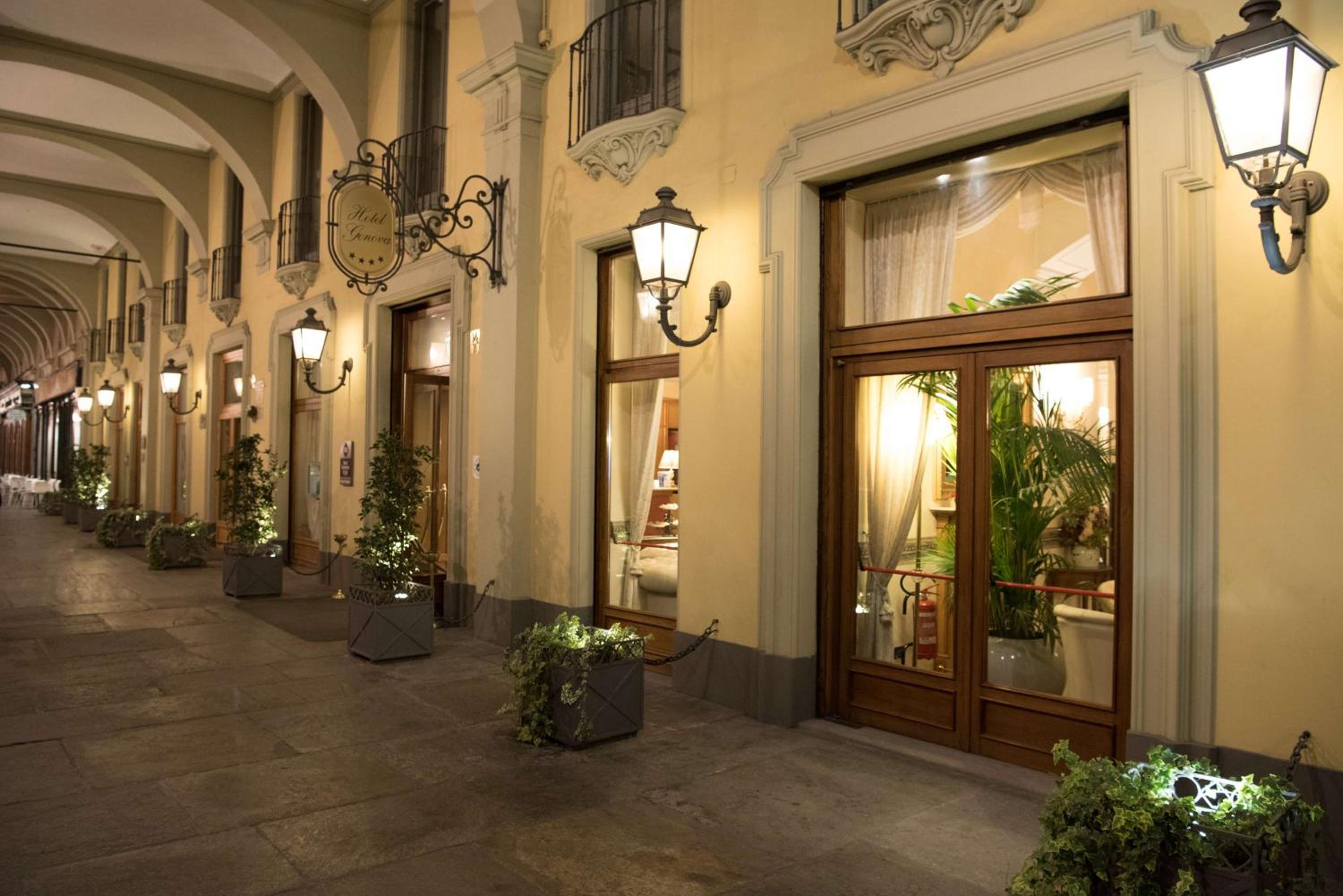
Best Western Plus Hotel Genova
Via Paolo Sacchi 14/B
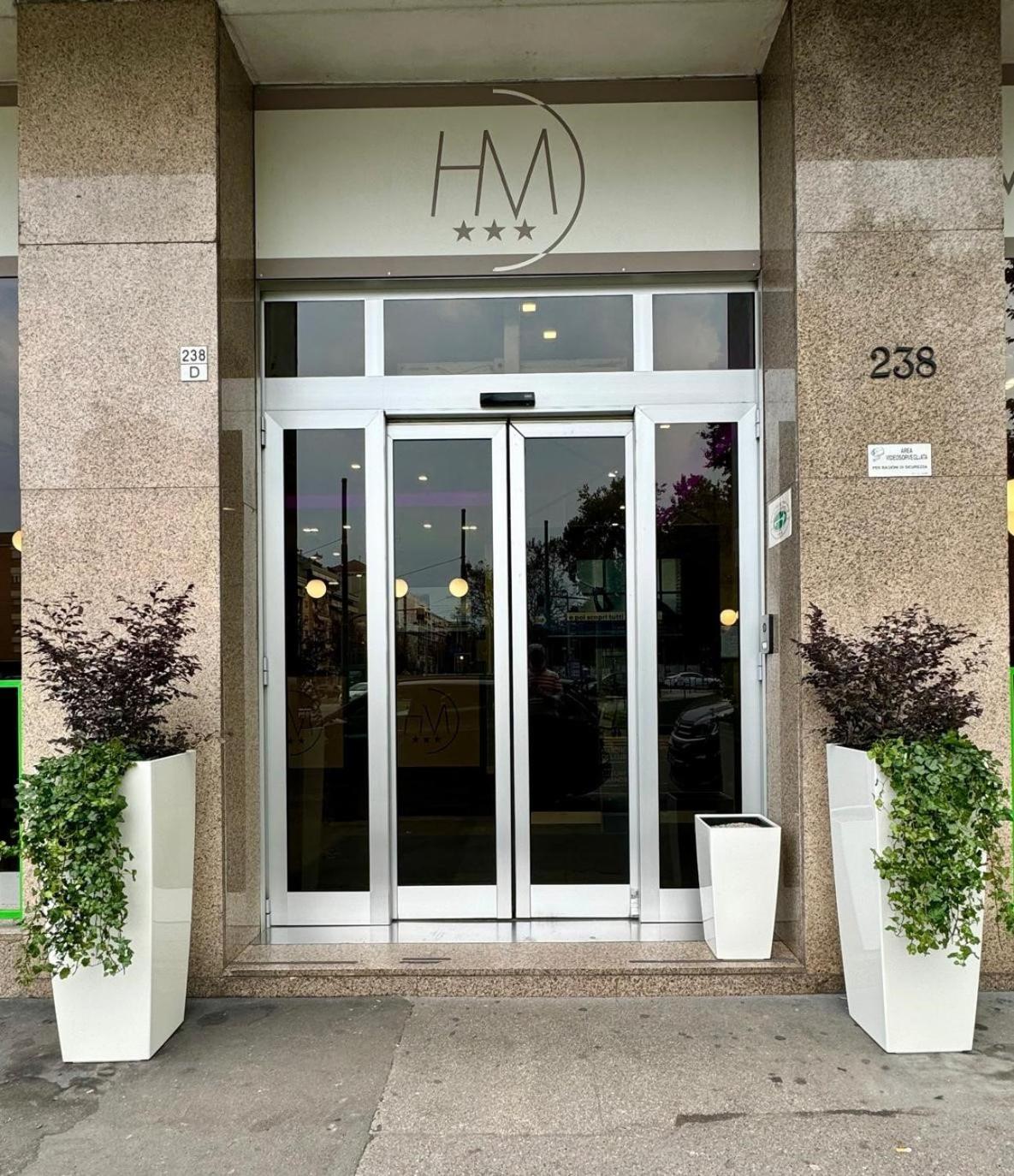
Hotel Miramonti
Piazza Derna 238
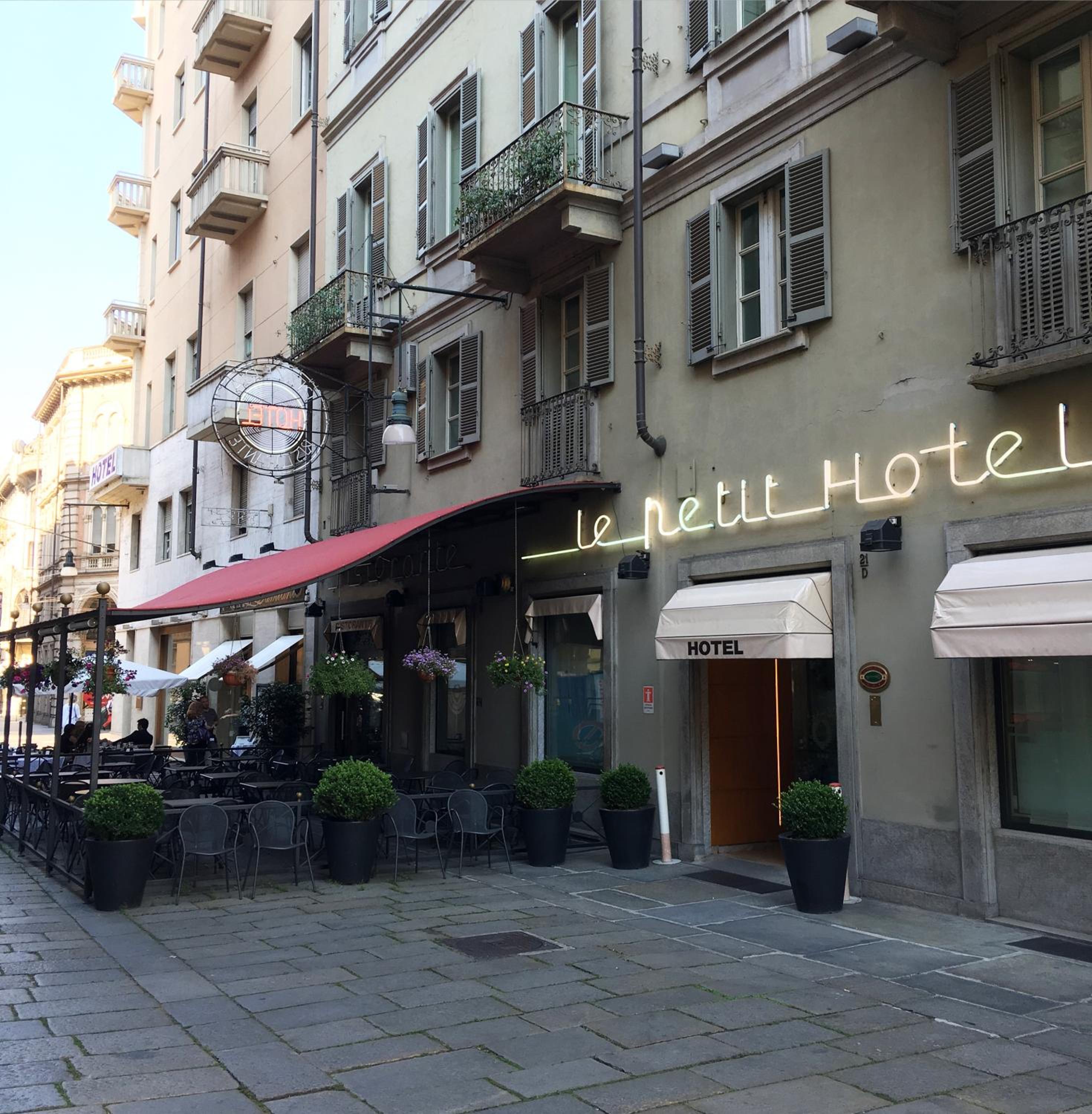
Le Petit Hotel
Via San Francesco D'assisi 21
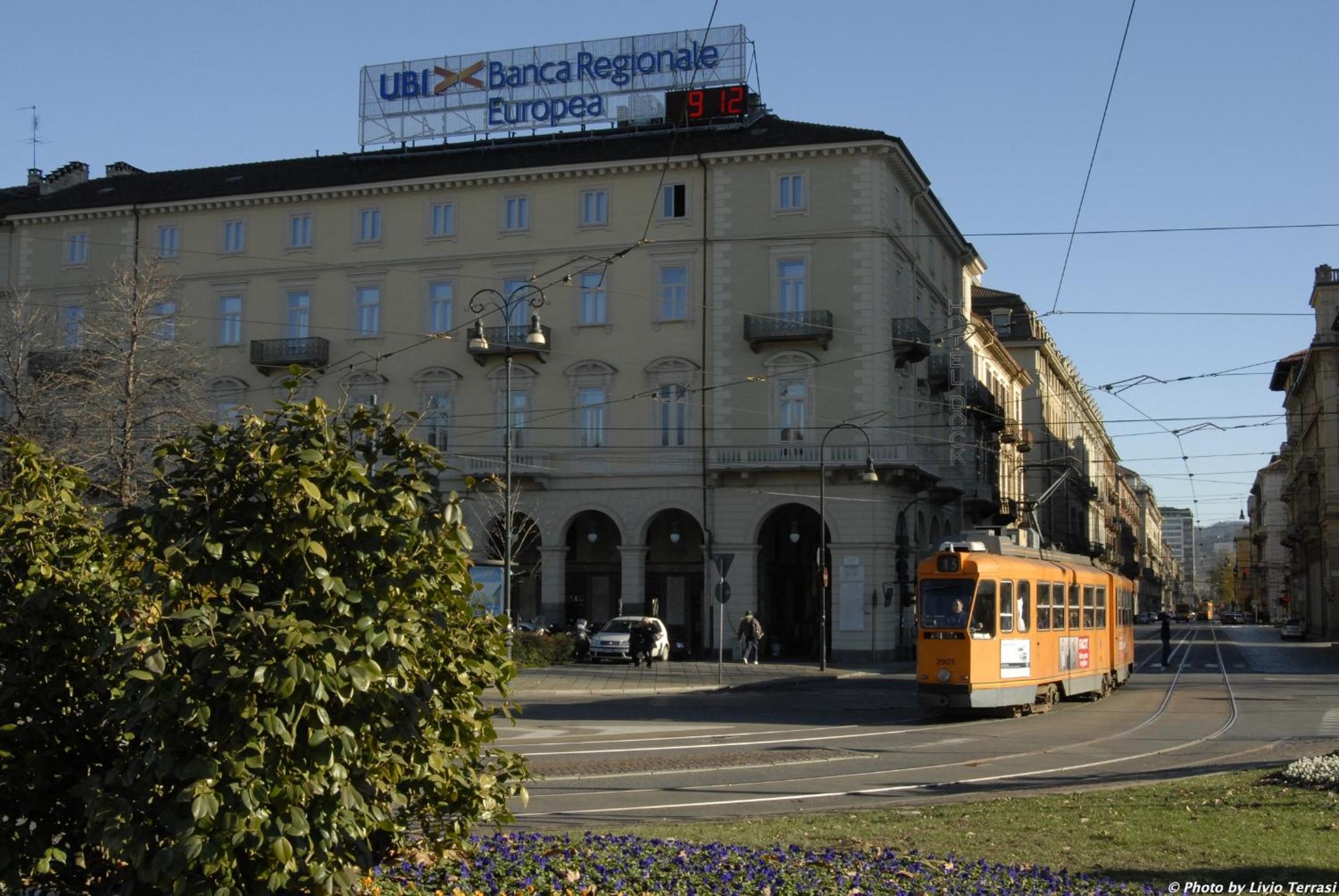
Best Quality Hotel Dock Milano
Via Cernaia 46
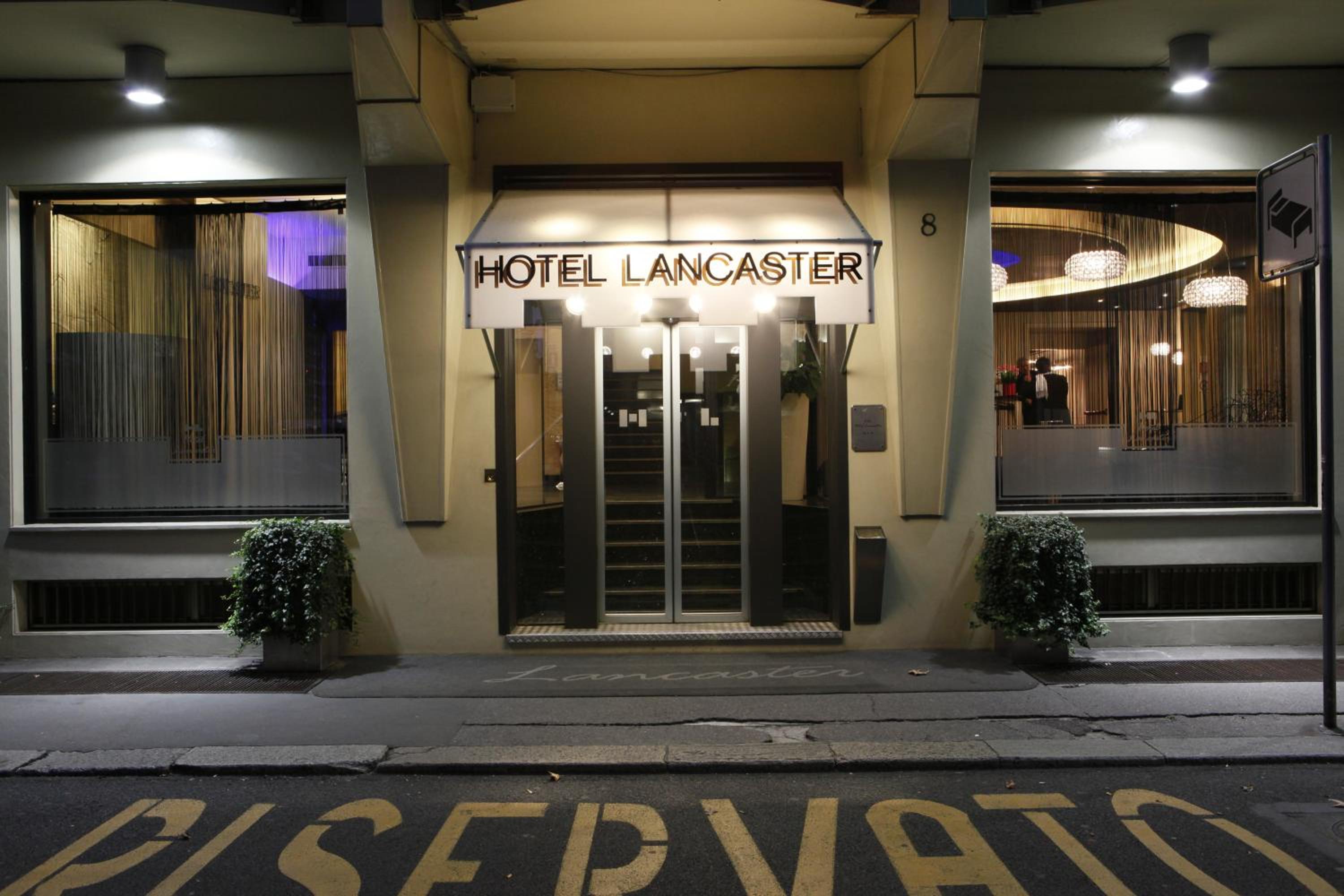
Hotel Lancaster
Corso Filippo Turati 8
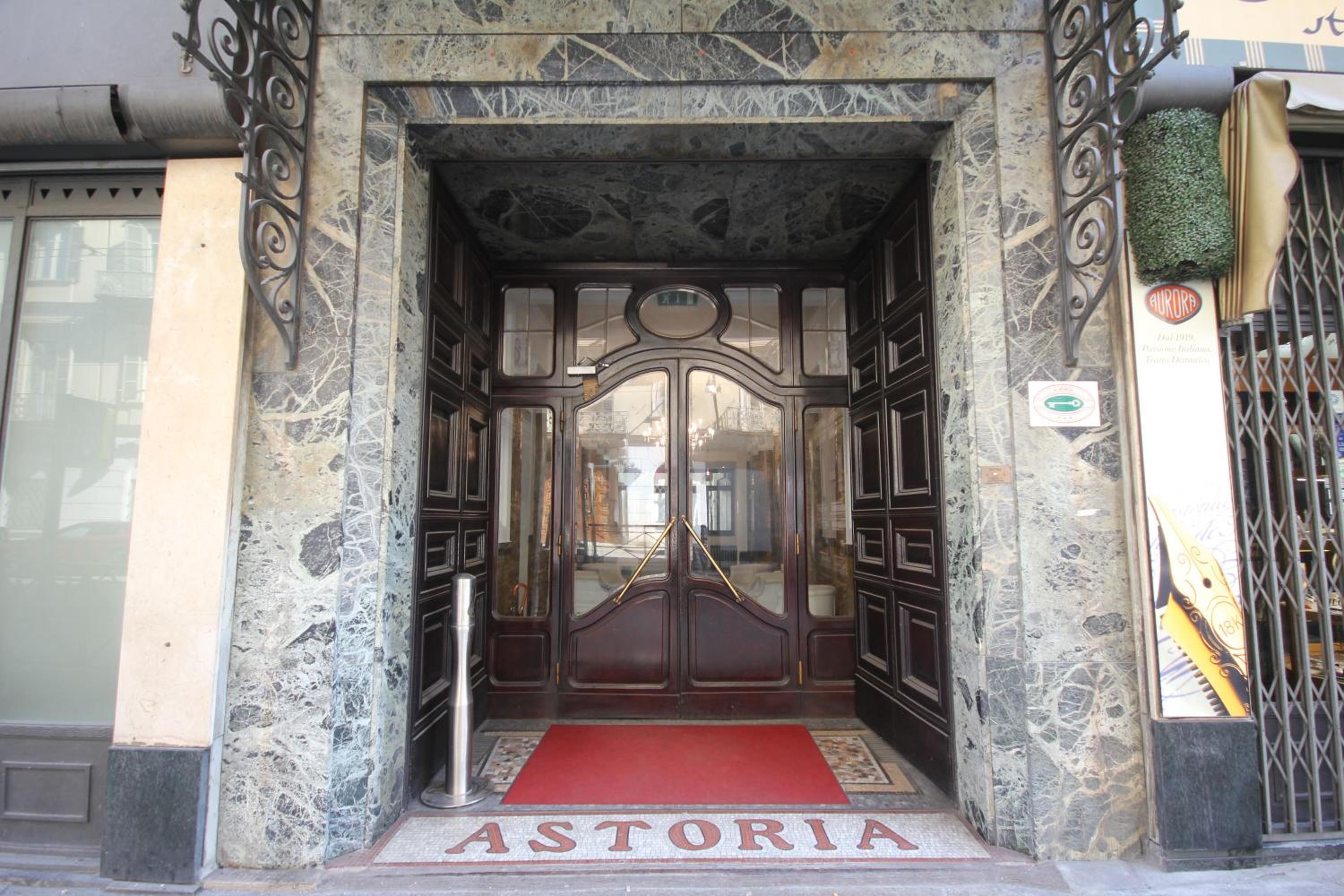
Hotel Astoria
Via XX Settembre 4
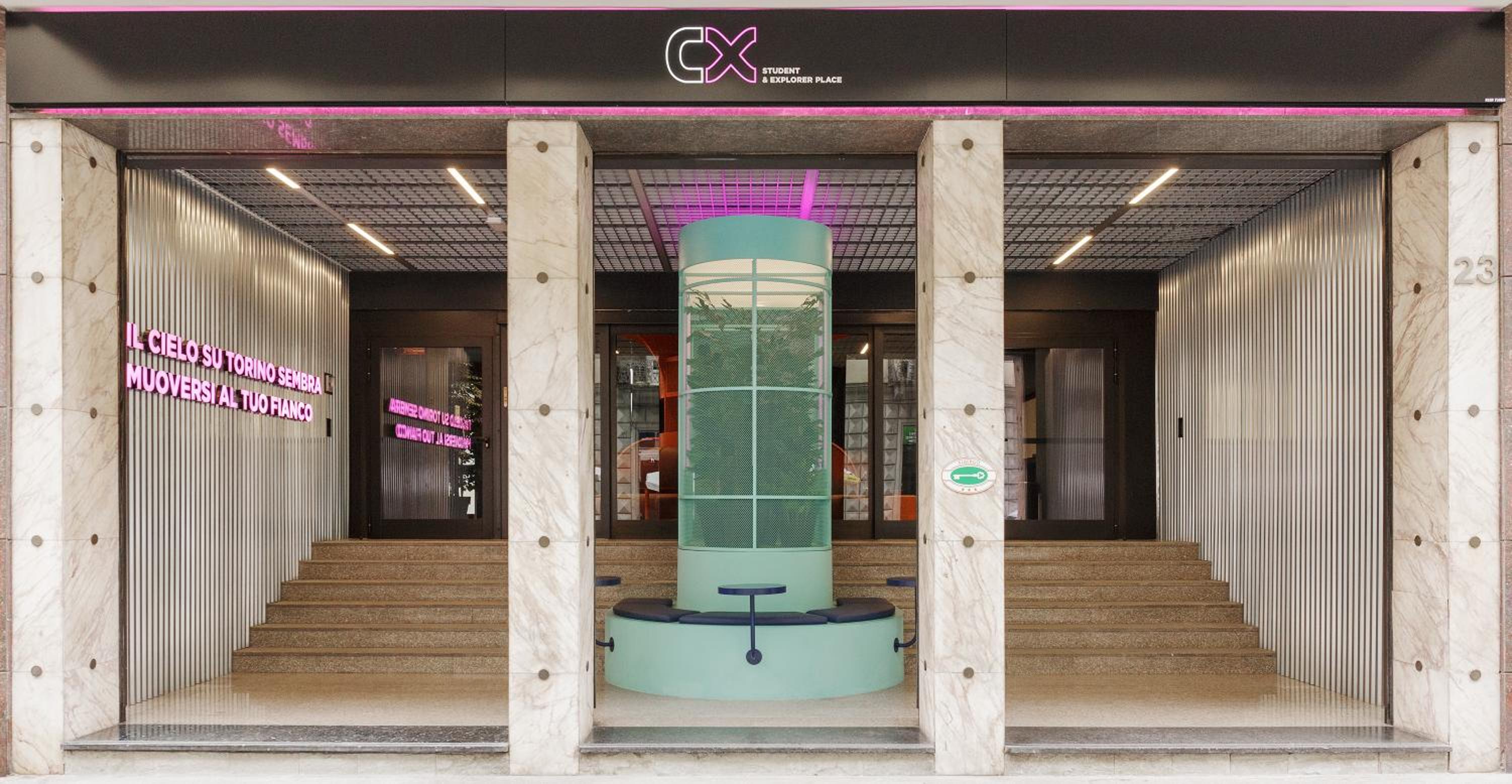
CX Turin Marconi
Via Belfiore 23
Looking for More Options?
Browse thousands of hotels in Turin, Italy with real-time pricing and availability
Browse All HotelsPowered by our hotel partners
Recommended Restaurants


Interesting Facts
This destination has a rich cultural heritage spanning centuries
Known for its unique architecture and historic landmarks
Popular tourist destination with millions of visitors annually
Home to vibrant local markets and traditional crafts
Features a diverse culinary scene with local specialties
Offers a mix of modern amenities and traditional charm