
Mumbai, India
Overview
Mumbai, a vibrant coastal metropolis, seamlessly blends colonial-era architecture with bustling street markets and Bollywood glamour. Experience the iconic Gateway of India, explore the vibrant colors of Dhobi Ghat, and immerse yourself in the city's rich culture and history.
Best Time to Travel
Best Months
October to March
During these months, Mumbai experiences pleasant, mild temperatures typically ranging from 15°C to 30°C with significantly lower humidity, creating ideal conditions for sightseeing and outdoor activities.
Months to Avoid
June to September - heavy monsoon rains, high humidity, and potential travel disruptions; April to May - extreme heat and humidity, making outdoor activities uncomfortable.
Consider visiting during other months
Peak Season
November to February
Expect larger crowds and higher prices
Top Things to Do

Irshalgad Fort

Dadasaheb Phalke Chitranagari

Elephanta Caves

EsselWorld

Haji Ali Dargah

Madh Fort

Kanheri Caves

Gateway Of India Mumbai

The Great Escape Water Park

Chhatrapati Shivaji Maharaj Vastu Sangrahalaya

Snow World

Mahakali Caves

BAPS Shri Swaminarayan Mandir, Mumbai

Sagargad Fort

Chokhi Dhani Mumbai

Band Stand

ISKCON Temple, Juhu, Mumbai

Chatterjee & Lal

One Tree Hill Point

Saguna Baug

The Leela Mumbai - Resort Style Business Hotel

The Shalimar Hotel (August Kranti Marg)

Just Kerala
Recommended Hotels
Search All Hotels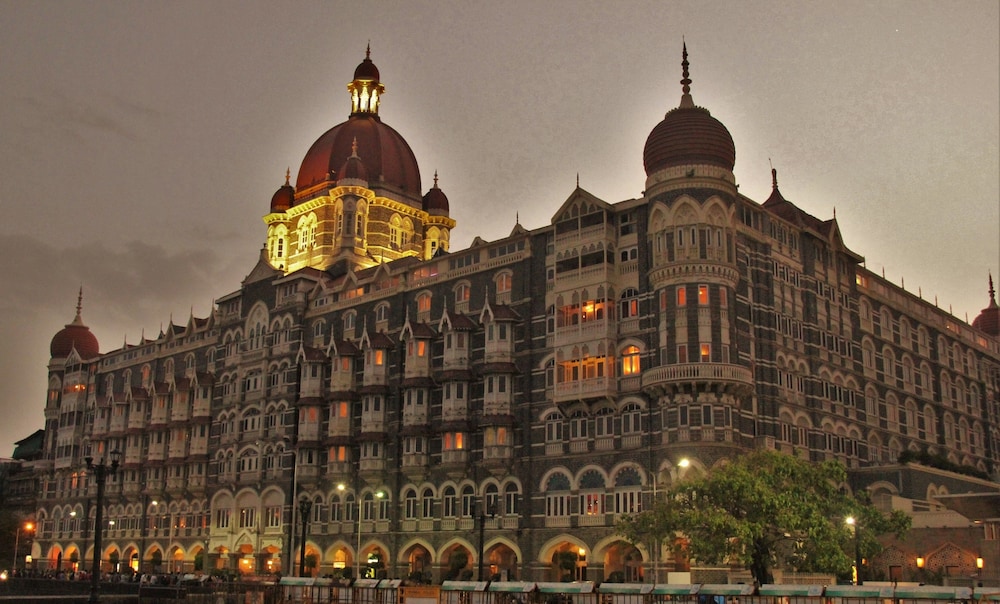
The Taj Mahal Palace Mumbai
Opposite Gateway of India
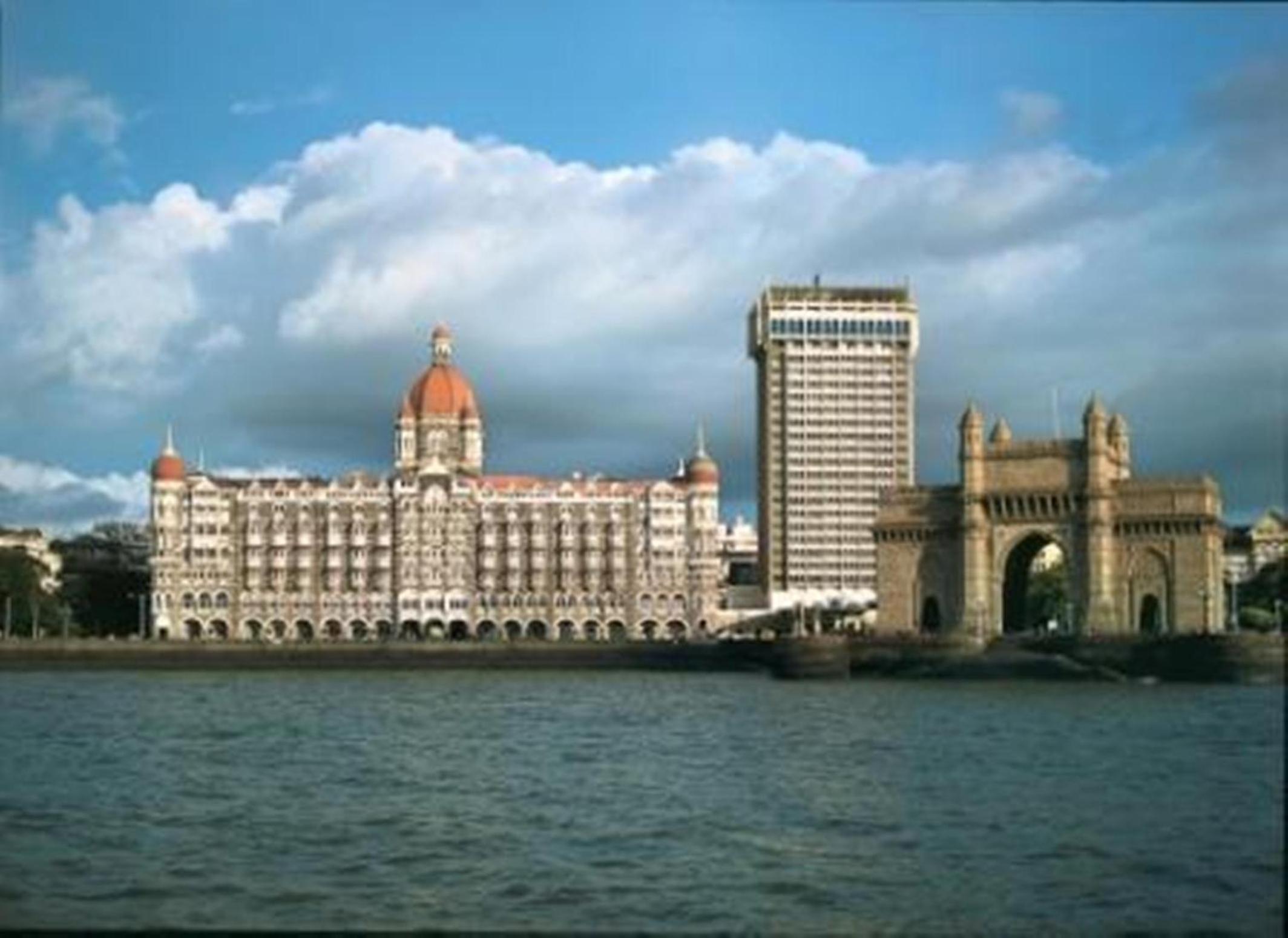
The Taj Mahal Tower, Mumbai
Apollo Bunder
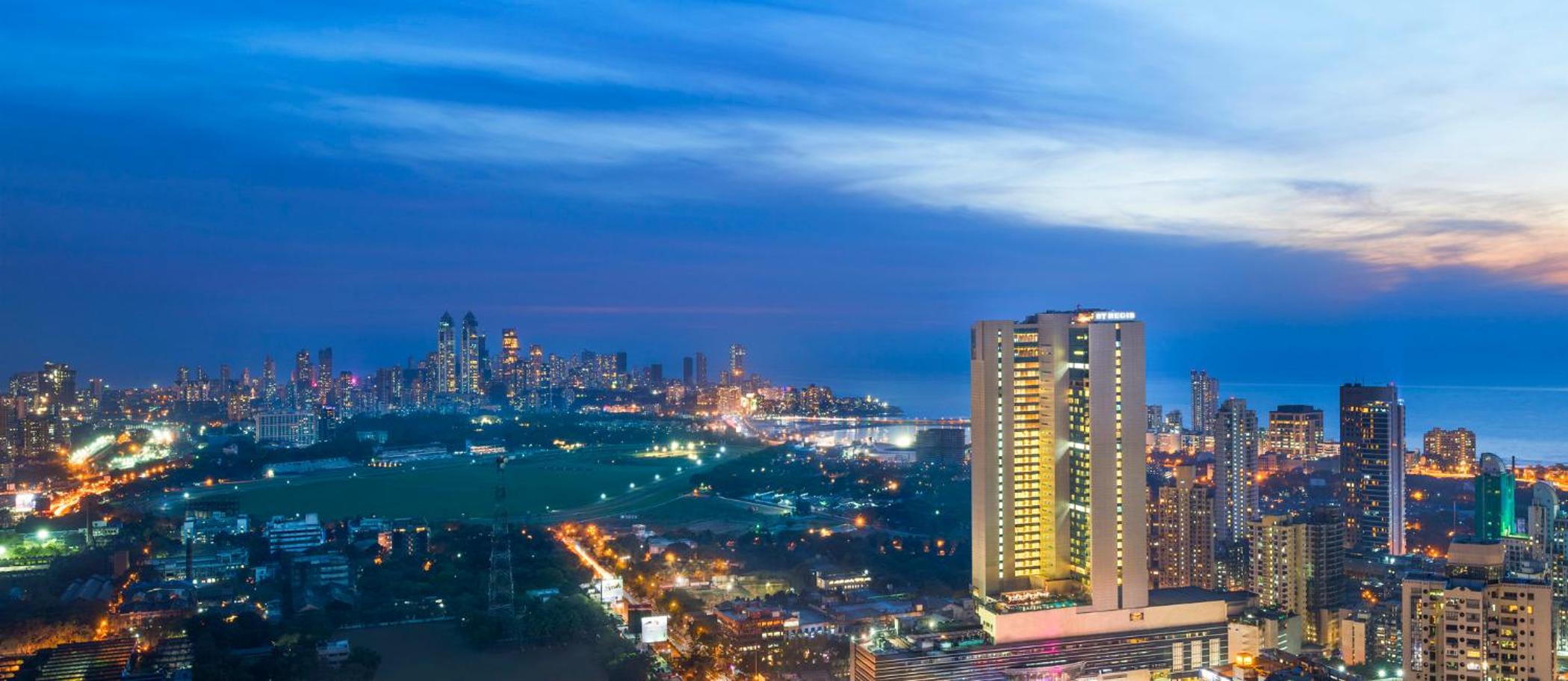
The St. Regis Mumbai
462 Senapati Bapat Marg
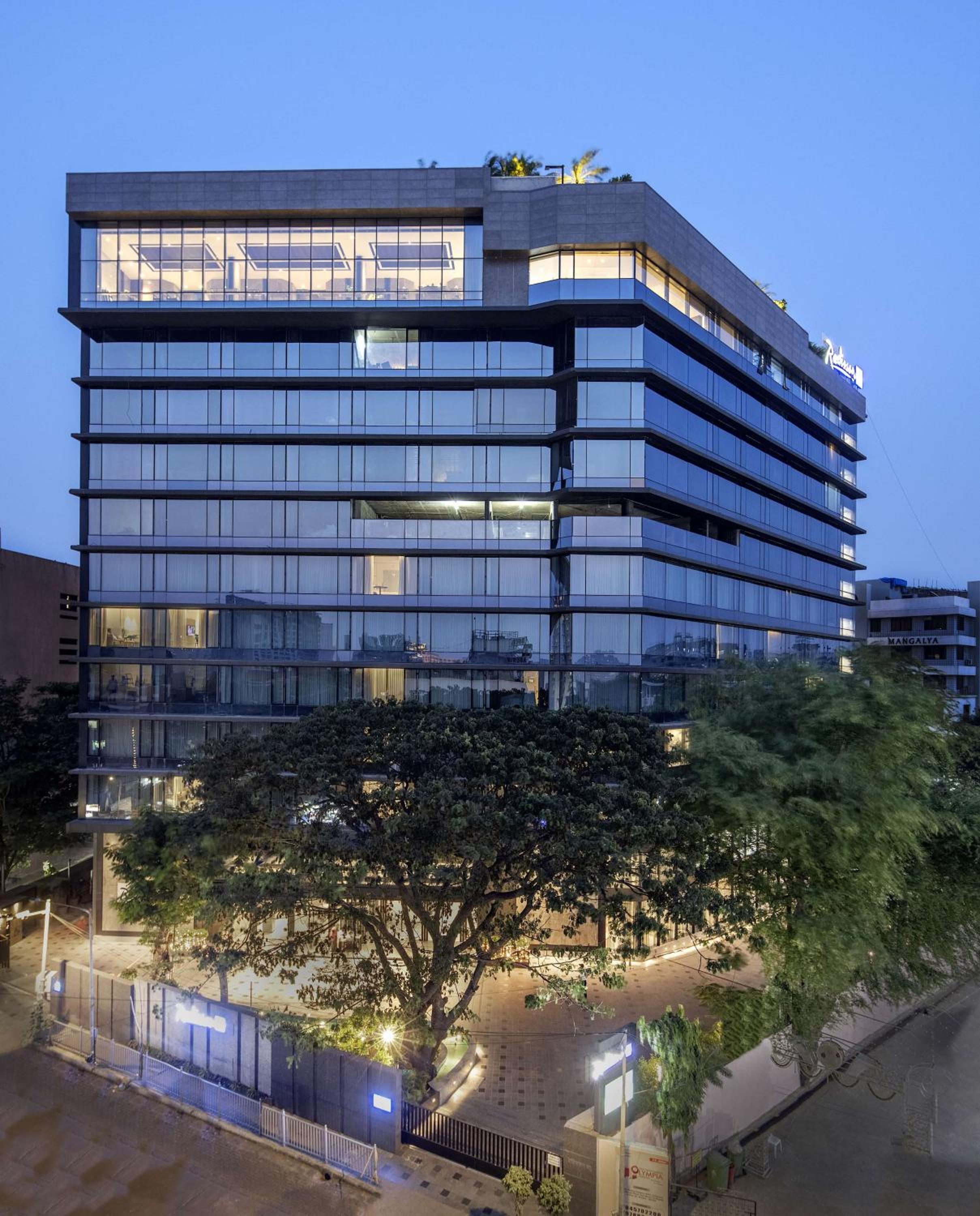
Radisson Blu Mumbai International Airport
Marol Maroshi Road, Near Marol Metro
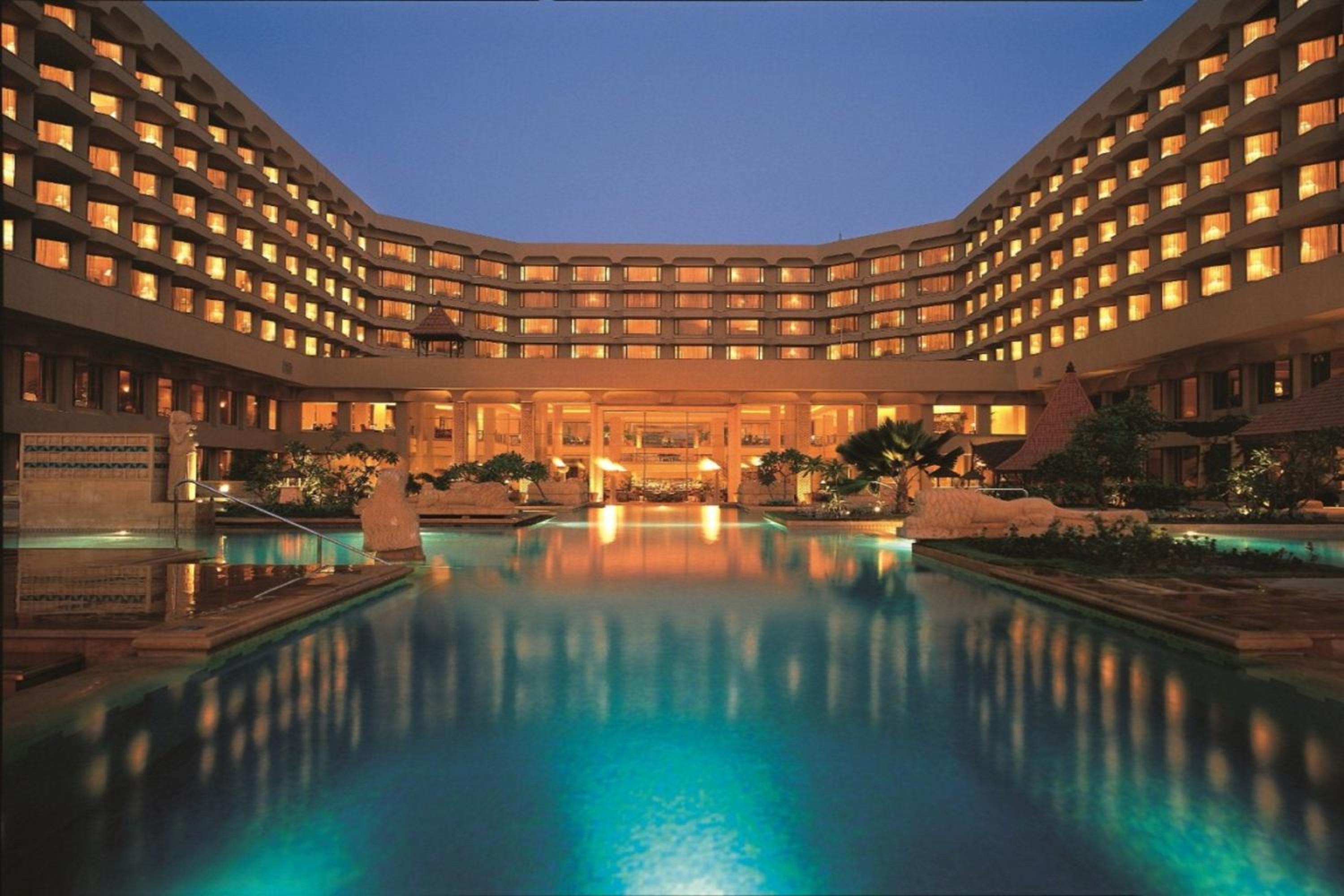
JW Marriott Mumbai Juhu
Juhu Tara Road
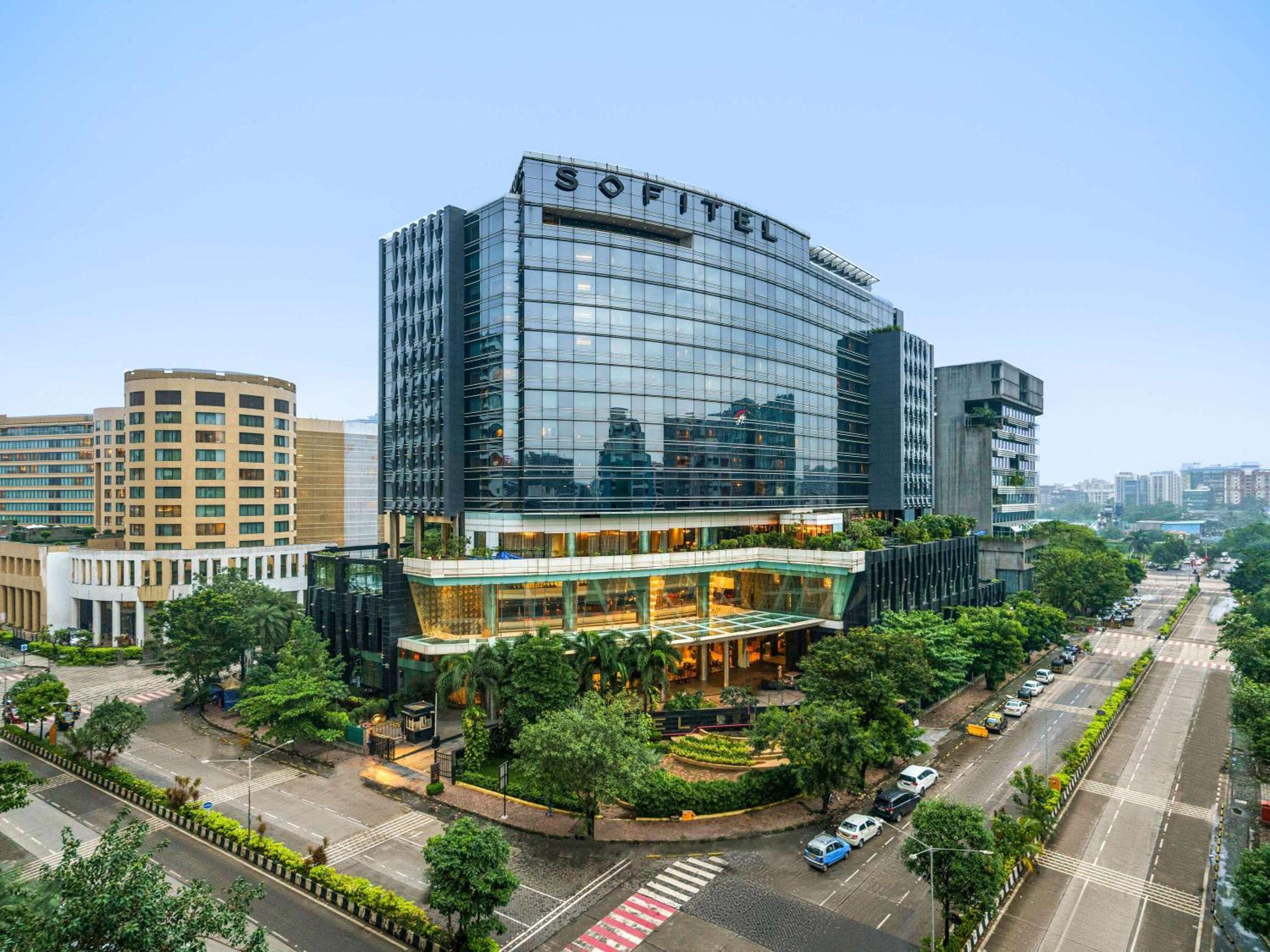
Sofitel Mumbai BKC
C-57, Bandra Kurla Complex
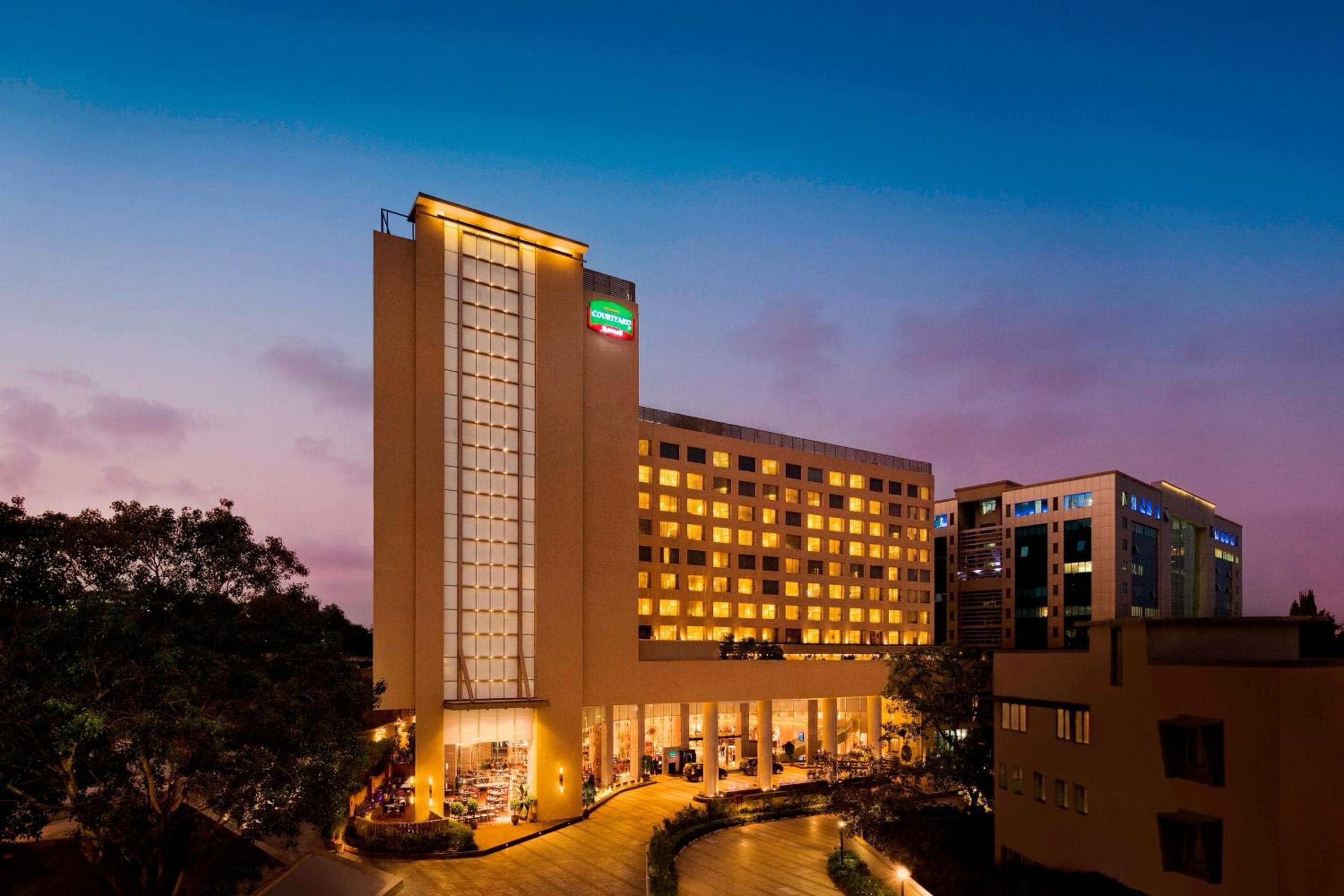
Courtyard by Marriott Mumbai International Airport
CTS 215, Andheri Kurla Road
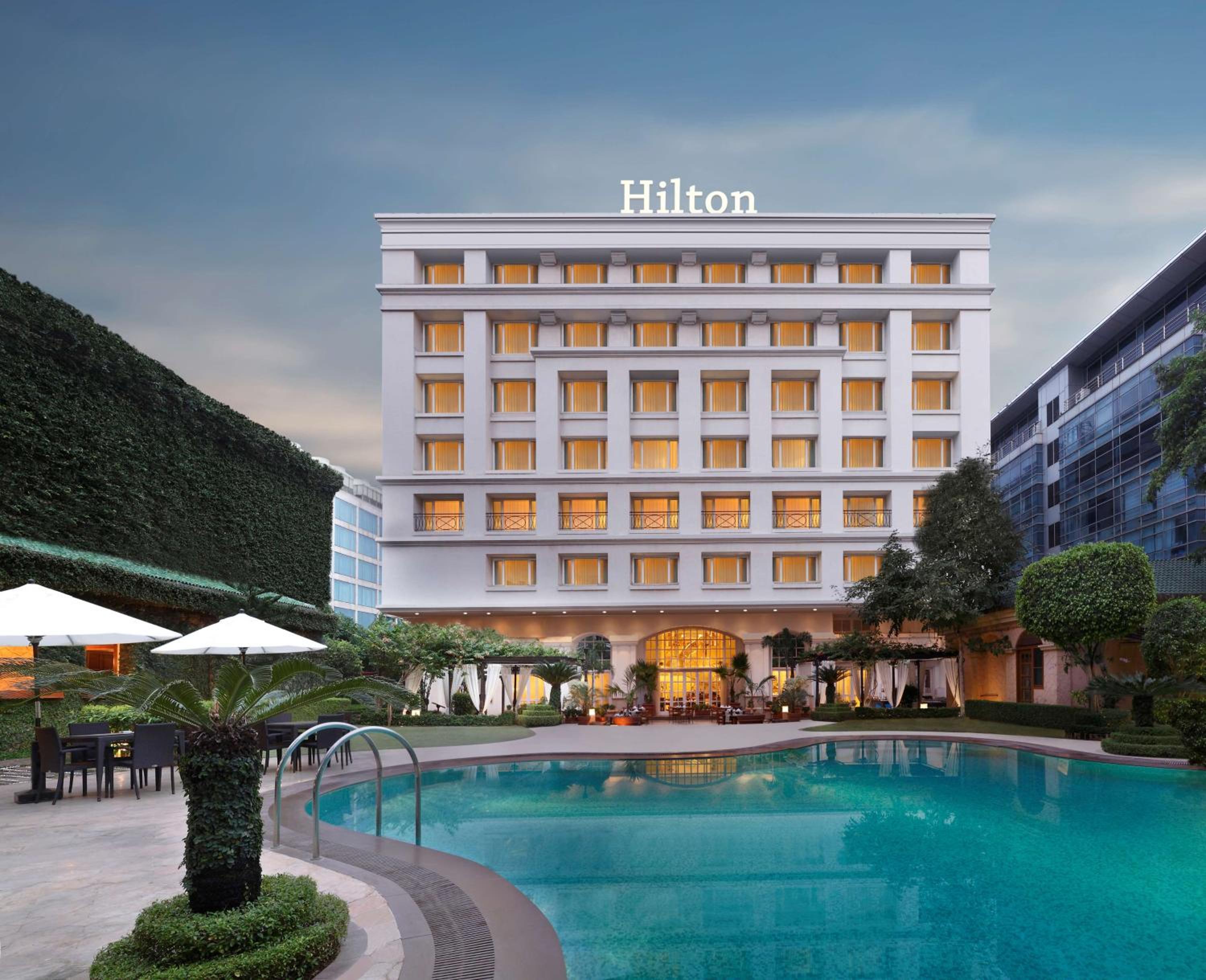
Hilton Mumbai International Airport Hotel
Sahar Airport Road, Andheri East
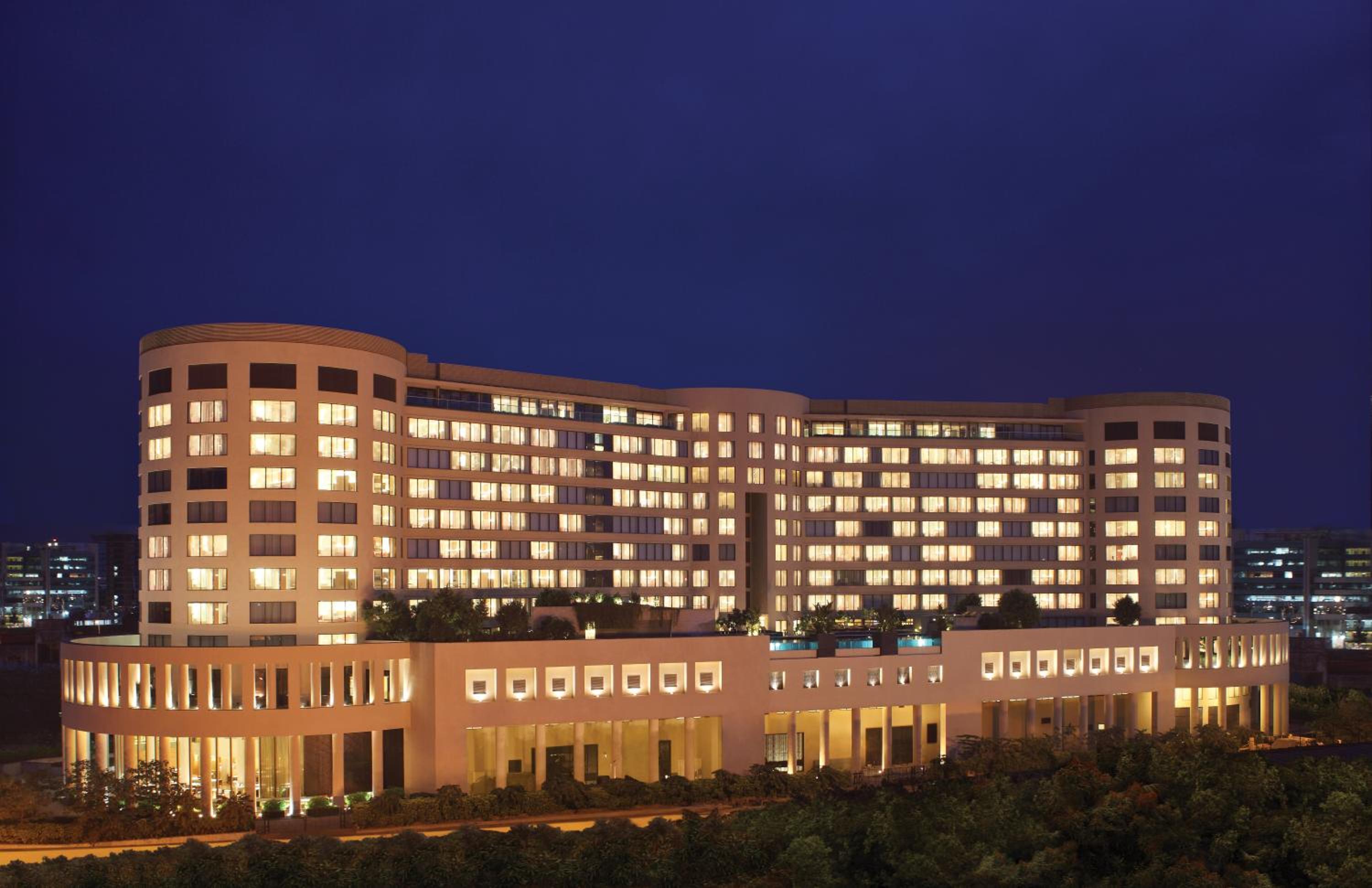
Trident Bandra Kurla
C-56, G Block, Bandra Kurla Complex
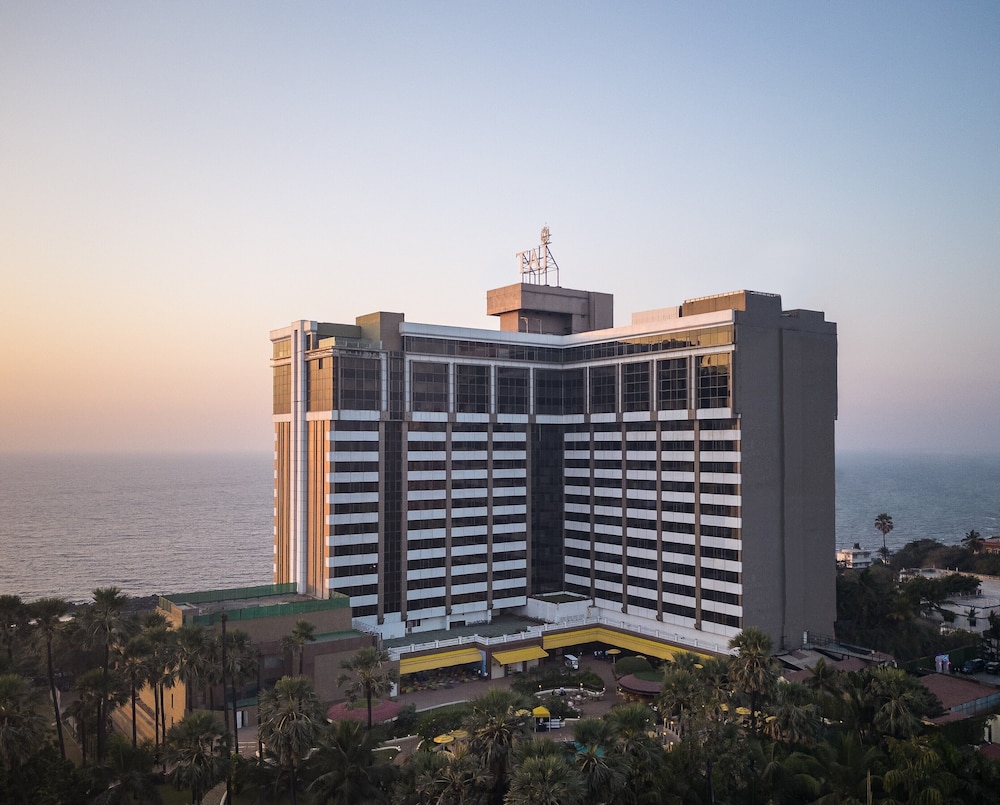
Taj Lands End
Byramji Jeejeebhoy Road, Bandstand
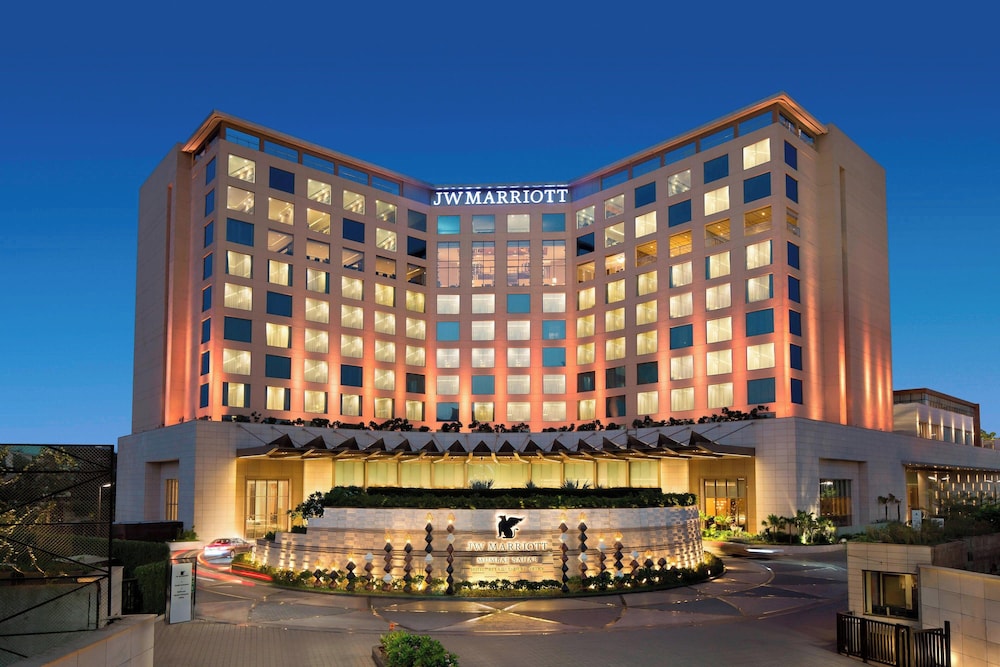
JW Marriott Mumbai Sahar
IA Project Road
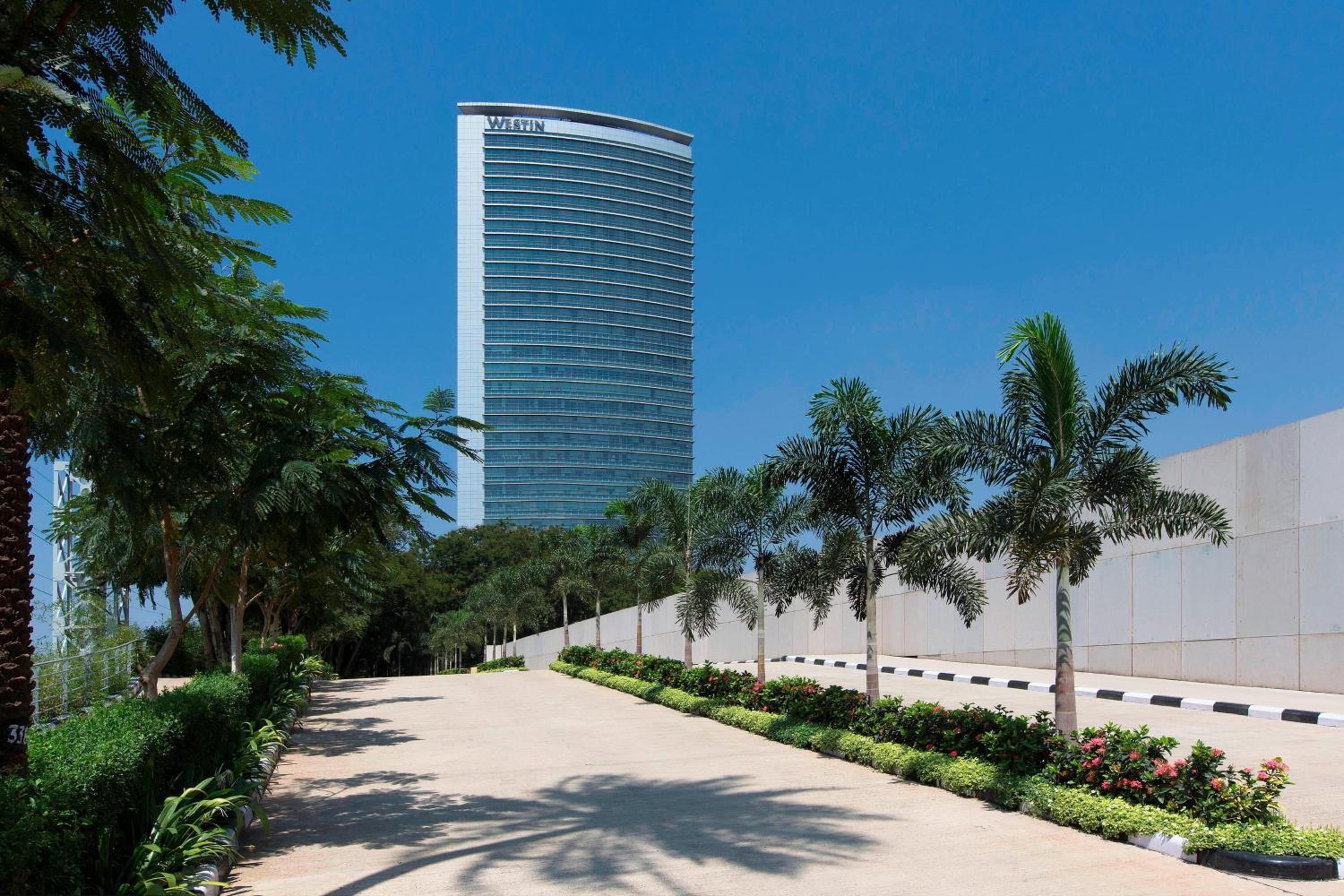
The Westin Mumbai Garden City
International Business Park
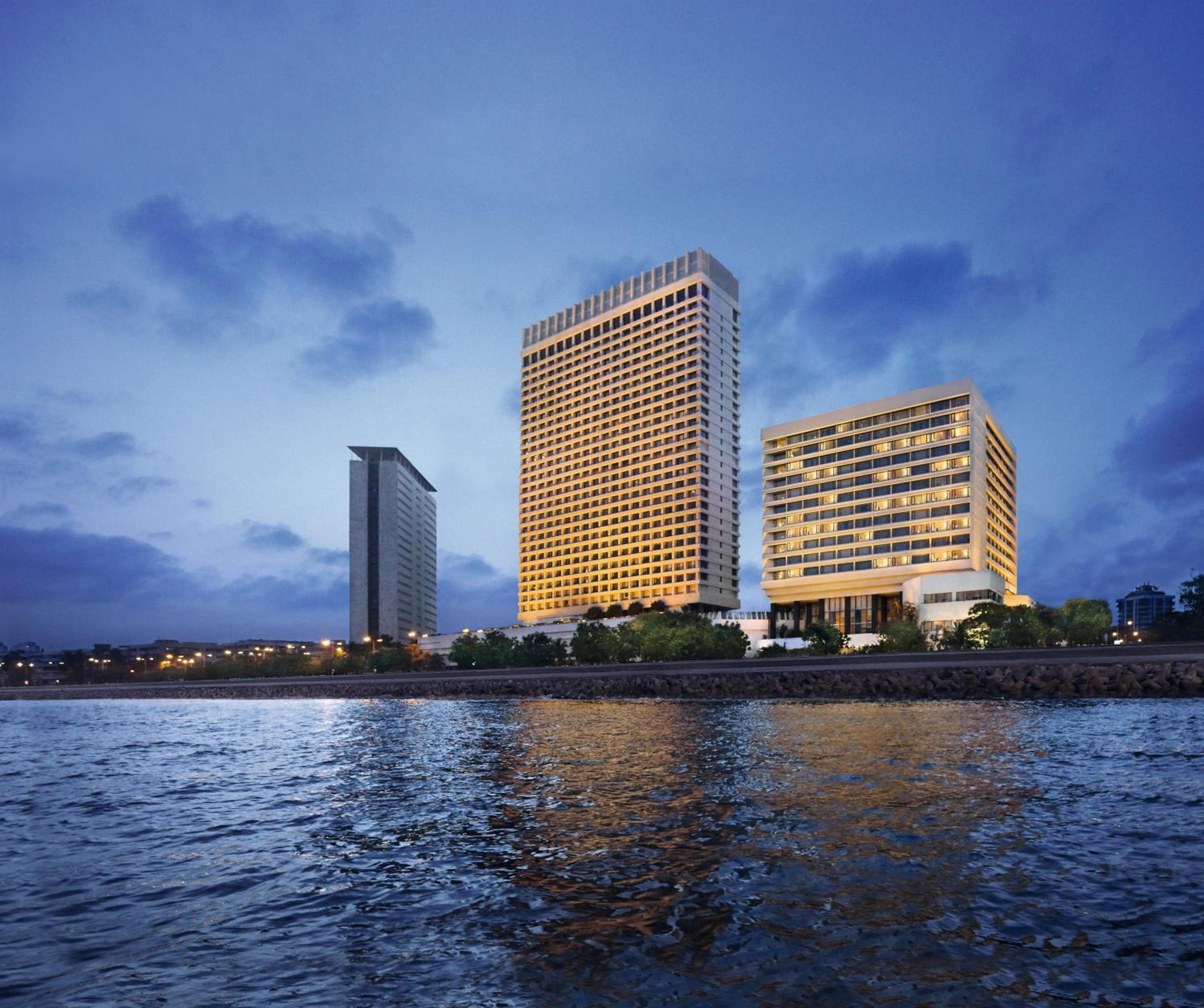
The Oberoi Mumbai
Nariman Point
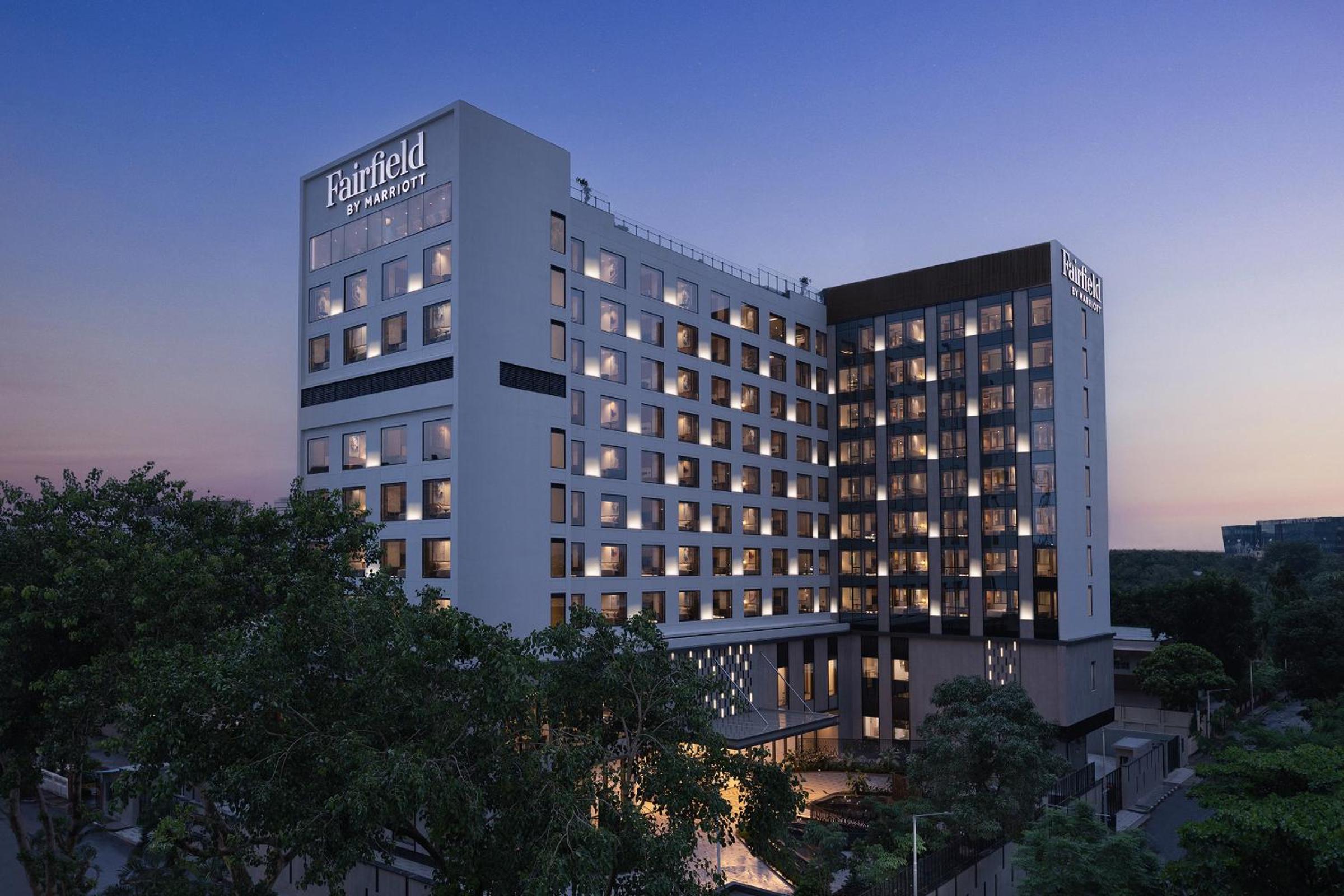
Fairfield by Marriott Mumbai International Airport
Plot No. 16-B Samhita Industrial Estate
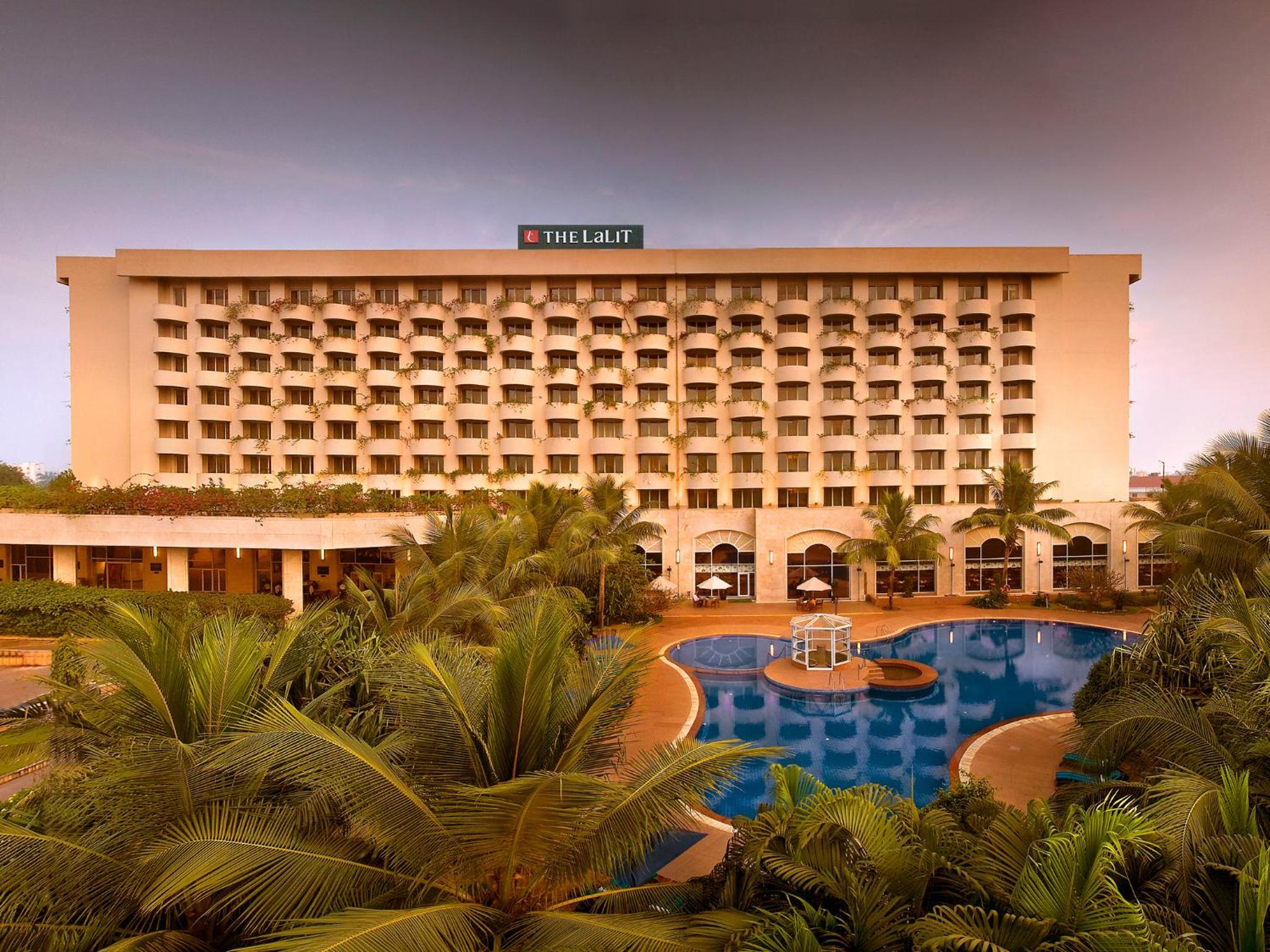
The Lalit Mumbai
Sahar Airport Road
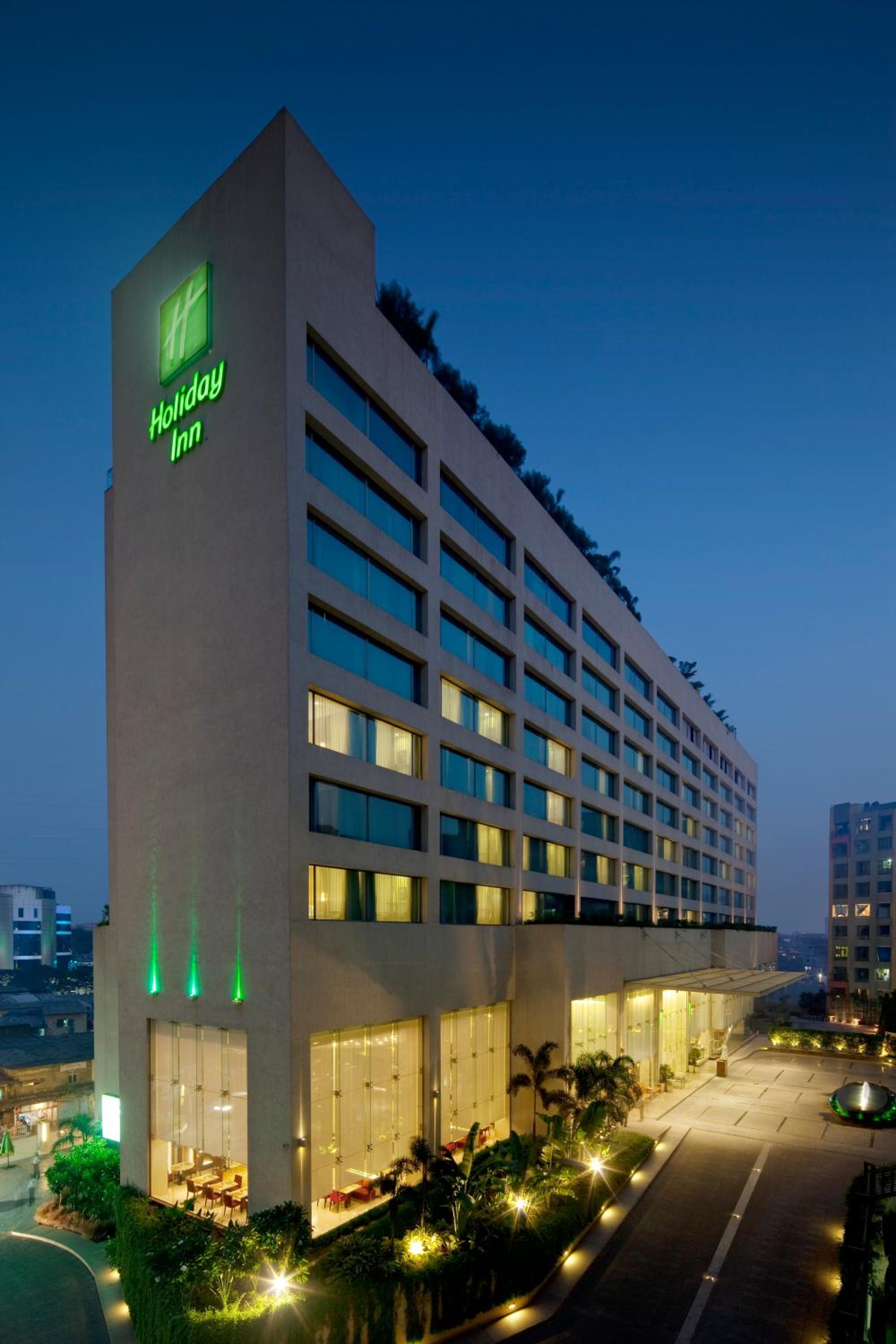
Holiday Inn Mumbai International Airport by IHG
Sakinaka Junction, Andheri Kurla Road
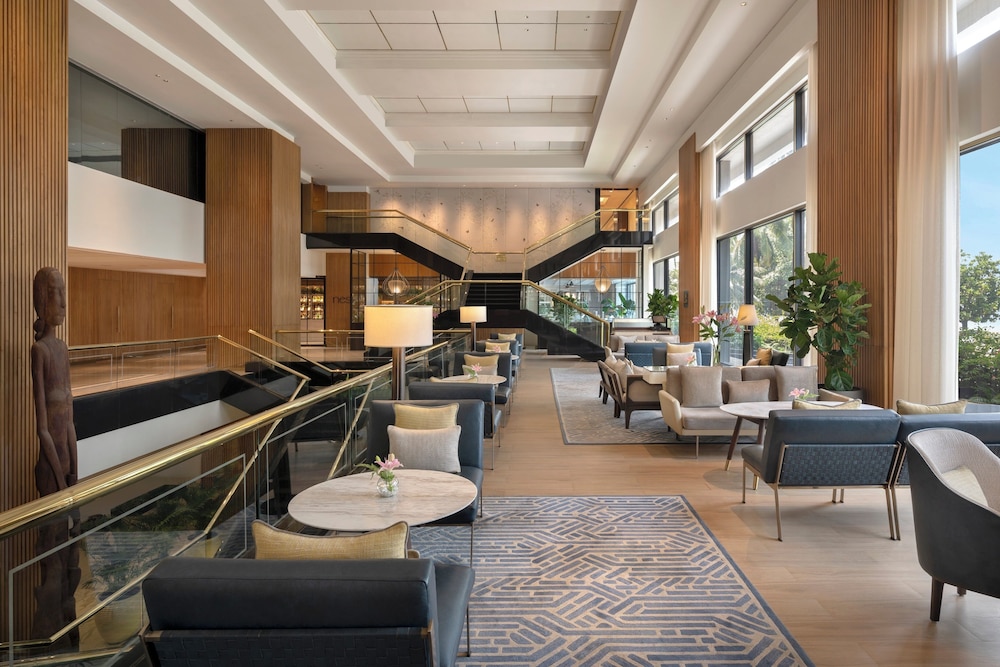
Trident, Nariman Point Mumbai
Nariman Point
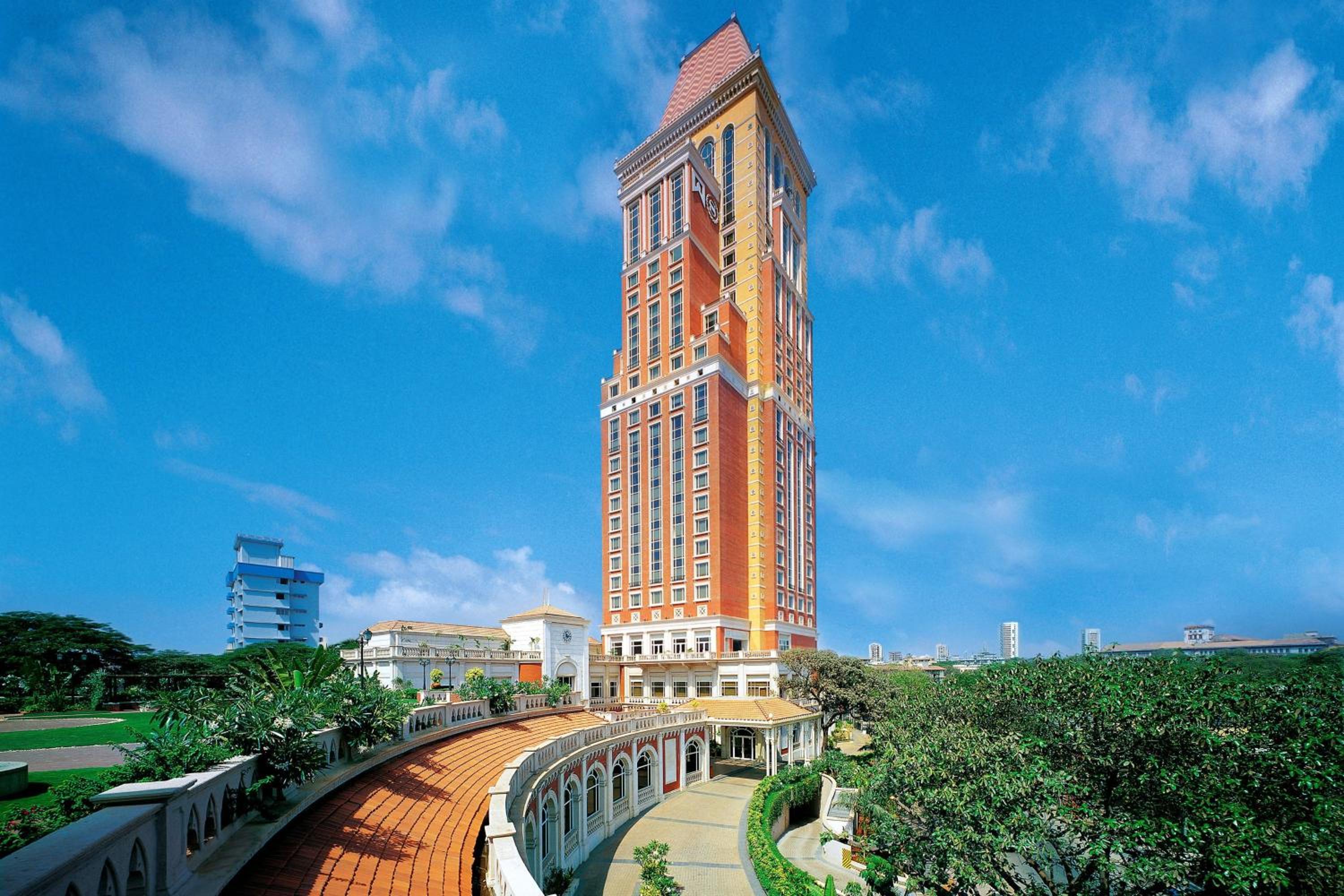
ITC Grand Central, a Luxury Collection Hotel, Mumbai
287, Dr. Babasaheb Ambedkar Road
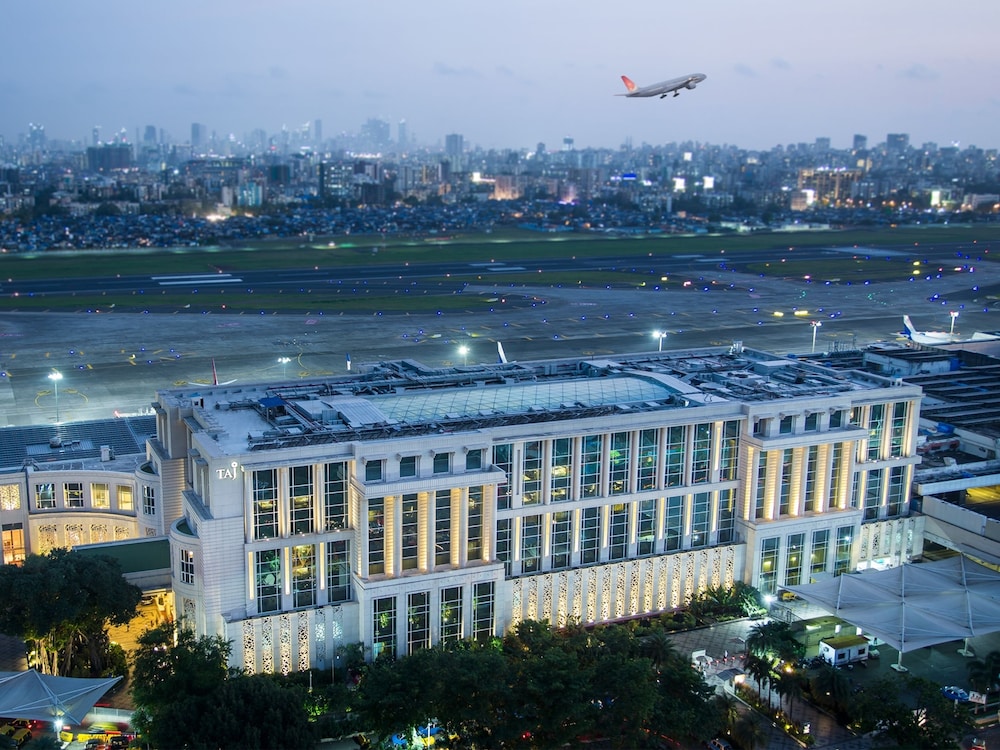
Taj Santacruz
Chhatrapati Shivaji Intl. Airport

Novotel Mumbai International Airport
CTS 1359, Andheri - Kurla Rd, Marol
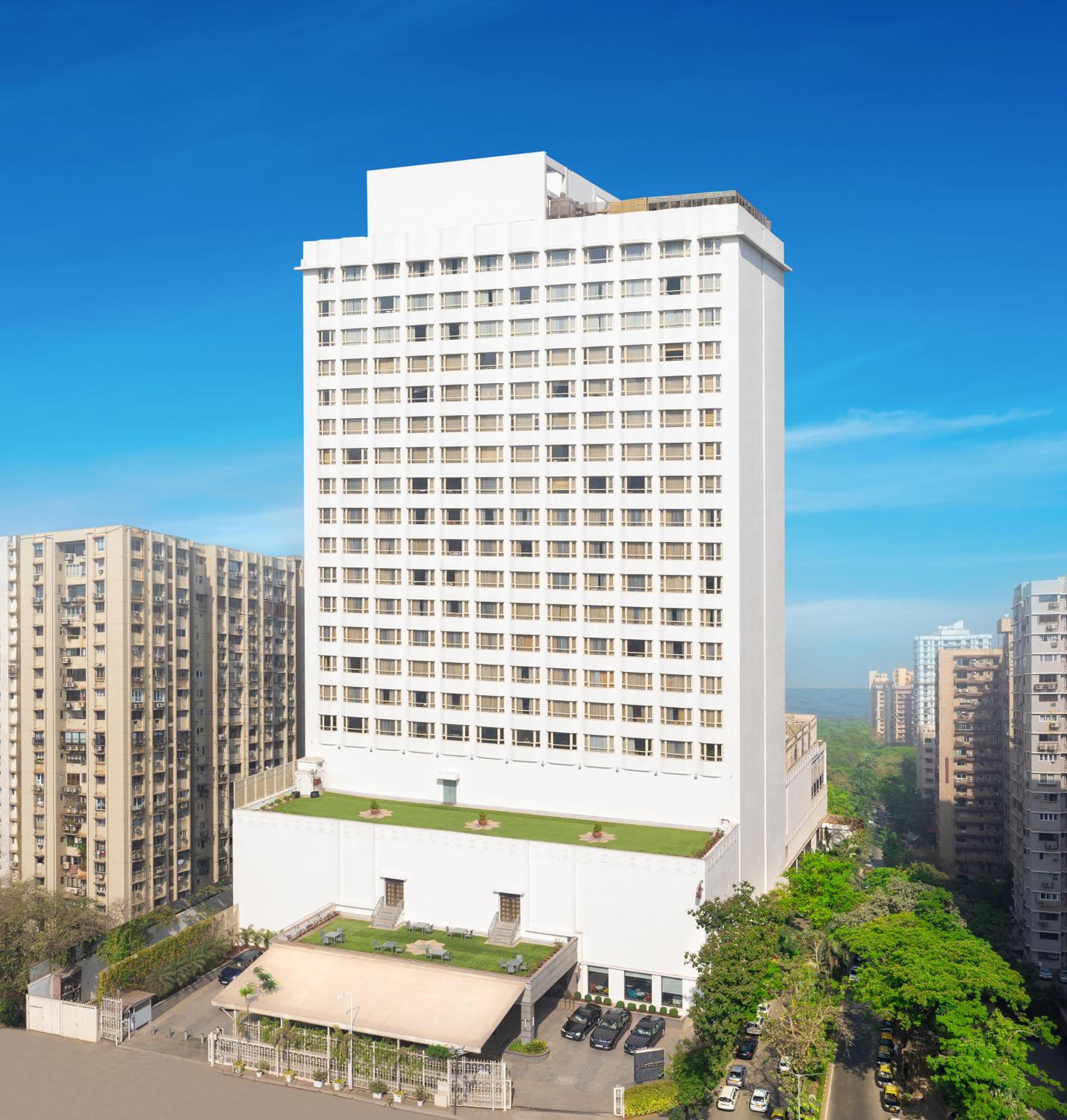
President - IHCL SeleQtions
90 Cuffe Parade
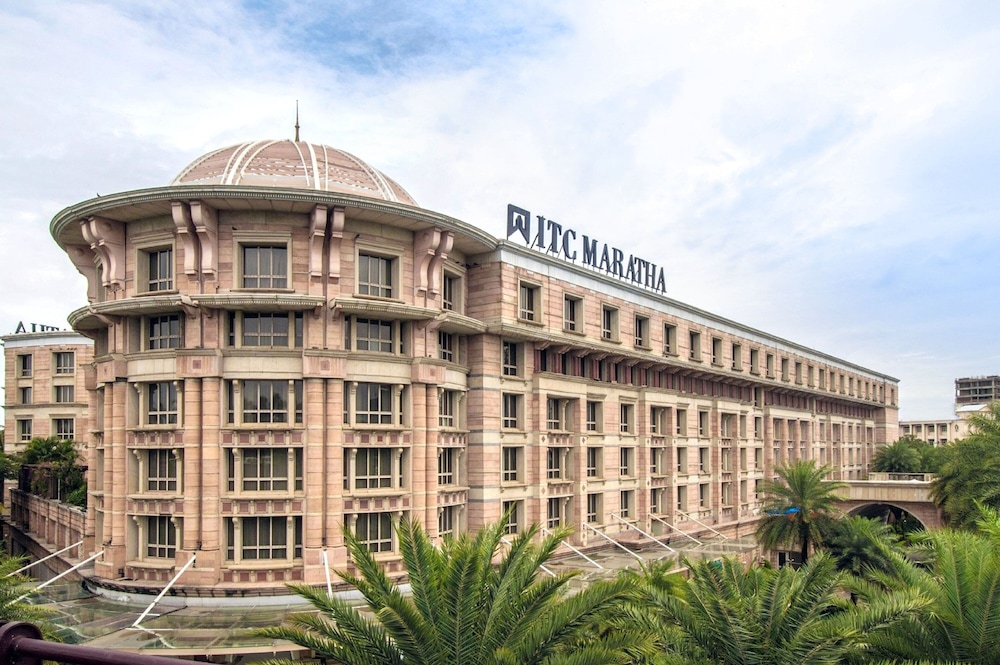
ITC Maratha Mumbai, a Luxury Collection Hotel, Mumbai
Sahar
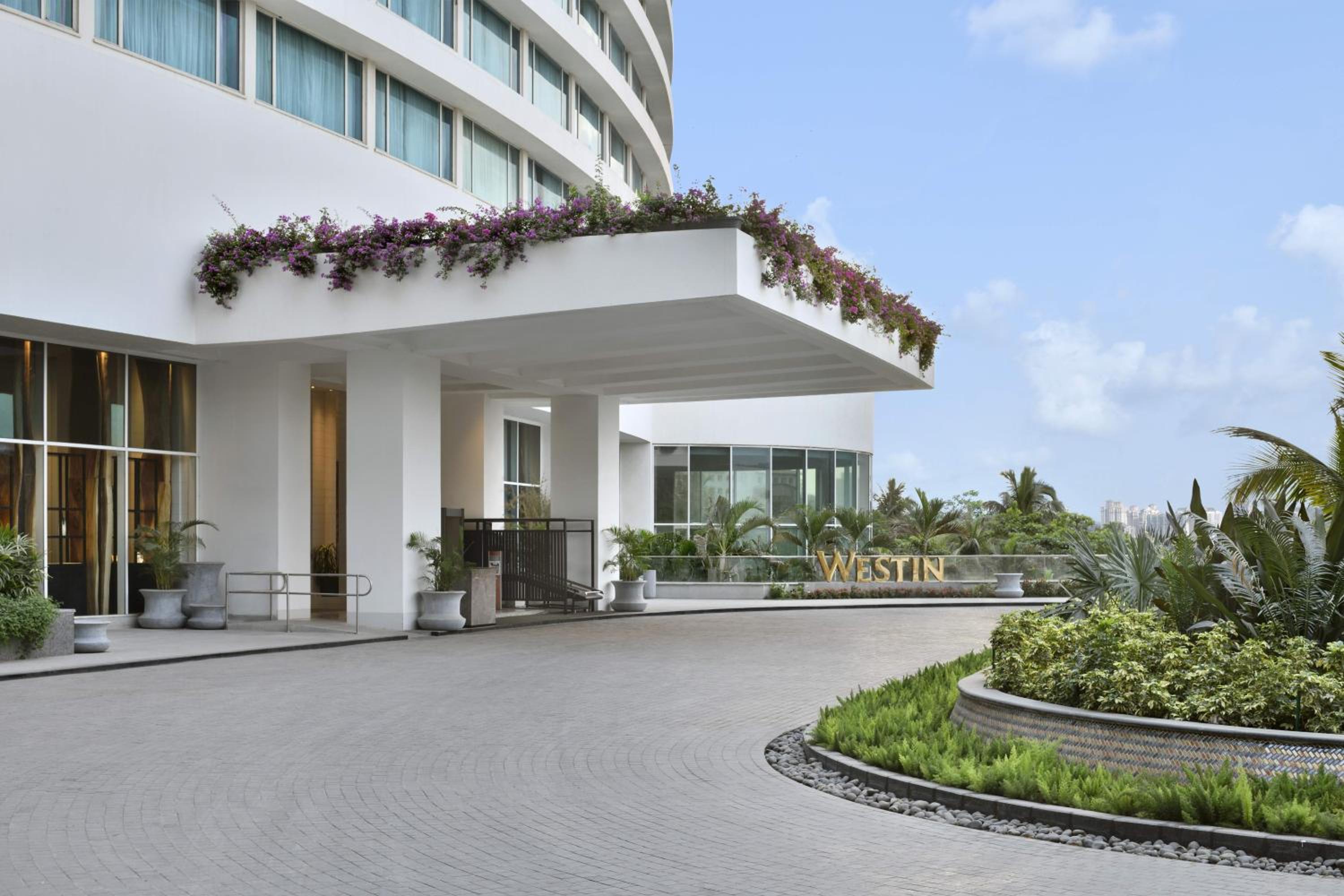
The Westin Mumbai Powai Lake
2 & 3B, Near Chinmayanand Ashram
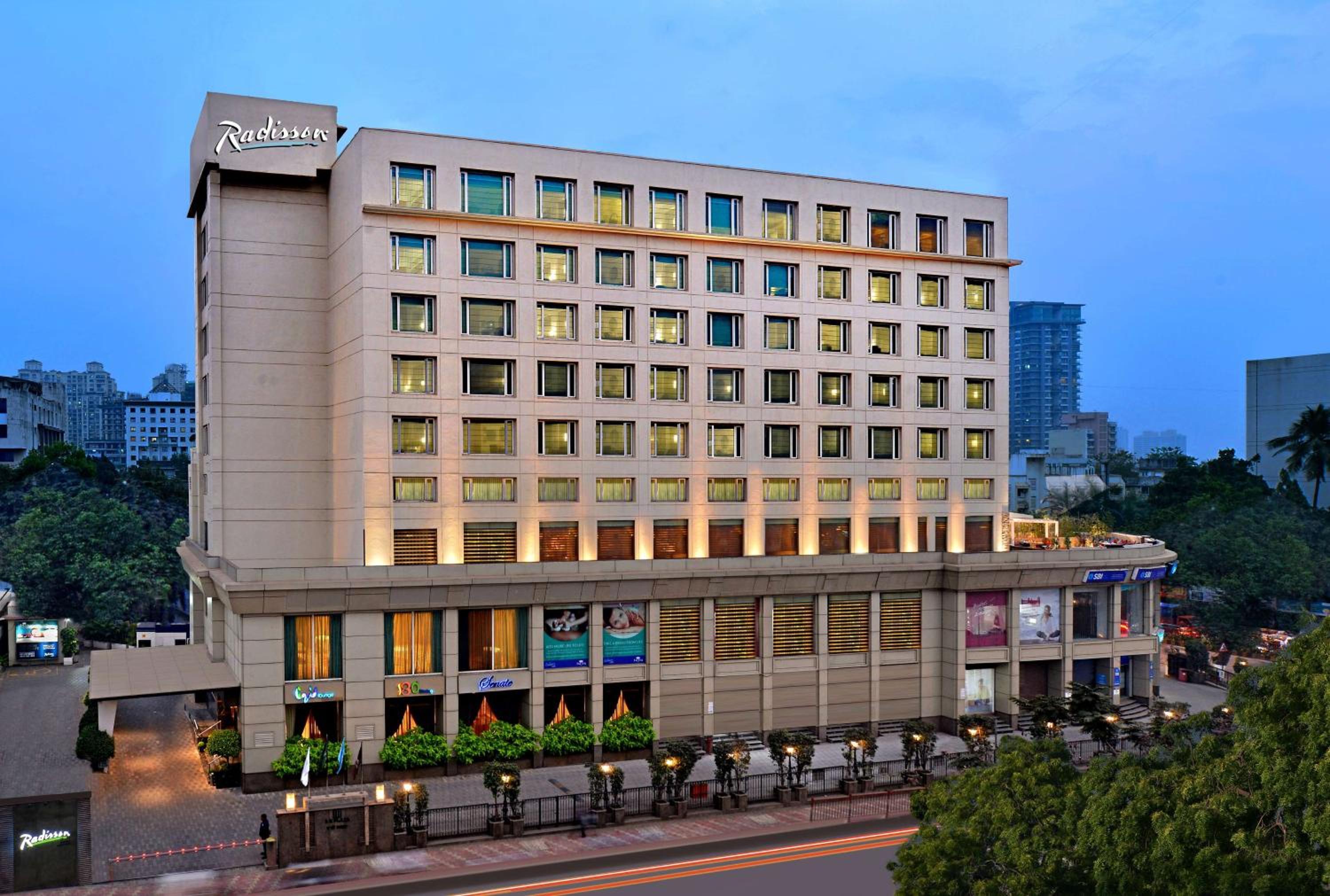
Radisson Mumbai Goregaon
Junction of S.V. Road & Veer Savarkar
Looking for More Options?
Browse thousands of hotels in Mumbai, India with real-time pricing and availability
Browse All HotelsPowered by our hotel partners
Recommended Restaurants


Masque
Progressive Indian
Mahalaxmi/Lower Parel
An innovative farm-to-table restaurant offering a unique tasting menu experience with seasonal Indian ingredients. Expect a culinary journey that redefines modern Indian dining.
Gajalee
Seafood (Mangalorean)
Vile Parle
A legendary spot for authentic Mangalorean coastal cuisine, famous for its butter garlic crab and other fresh seafood preparations. A must-visit for seafood lovers.
Swati Snacks
Gujarati Snacks
Tardeo
A beloved vegetarian institution serving traditional Gujarati and Maharashtrian street food and snacks in a hygienic, bustling environment. Don't miss the Panki and Fada Ni Khichdi.
Wasabi by Morimoto
Japanese
Bandra
Located in the Taj Lands End, this upscale restaurant offers exquisite Japanese cuisine crafted by Iron Chef Masaharu Morimoto. Indulge in premium sushi, sashimi, and innovative Japanese dishes.
Olive Bar & Kitchen
Mediterranean
Bandra
An iconic al-fresco restaurant known for its charming ambiance, delicious Mediterranean fare, and vibrant bar scene. Perfect for a relaxed brunch or a romantic evening.
The Bombay Canteen
Modern Indian
Lower Parel
A lively and stylish restaurant reinventing classic Indian dishes with a contemporary twist and seasonal ingredients. Enjoy creative cocktails and a vibrant atmosphere.
Interesting Facts
Fact 1 - Mumbai was originally an archipelago of seven islands that were gradually merged through extensive land reclamation projects spanning centuries, transforming it into the single landmass and bustling metropolis it is today.
Fact 2 - The Chhatrapati Shivaji Maharaj Terminus (CSMT), formerly Victoria Terminus, is a UNESCO World Heritage Site and one of the busiest railway stations in the world, renowned for its magnificent Victorian Gothic Revival architecture blended with traditional Indian elements.
Fact 3 - Mumbai is the global capital of Bollywood, the world's largest film industry by the number of films produced annually and ticket sales, creating more than double the movies of Hollywood each year.
Fact 4 - The Mumbai suburban railway system, often called the city's lifeline, carries over 7.5 million commuters daily, making it one of the busiest commuter rail networks globally, with trains departing every few minutes during peak hours.
Fact 5 - Mumbai is home to the unique 'Dabbawala' system, a 130-year-old lunchbox delivery service where around 5,000 dabbawalas deliver over 200,000 home-cooked meals daily with near-perfect accuracy, using a complex coding system without modern technology.
Fact 6 - Mumbai boasts the world's second-largest collection of Art Deco buildings, after Miami, with thousands of structures from the 1930s lining Marine Drive and other parts of South Mumbai, earning the precinct a UNESCO World Heritage status.
Fact 7 - The Gateway of India, an iconic monument built to commemorate the visit of King George V and Queen Mary in 1911, was paradoxically the point from which the last British troops departed India in 1948, symbolizing the end of colonial rule.
Fact 8 - Every year, thousands of migratory flamingos flock to the mudflats of Sewri in Mumbai between October and March, transforming an otherwise industrial and urbanized area into a vibrant natural spectacle, much to the surprise of many visitors.