
Luxor, Egypt
Overview
Luxor, Egypt: A city brimming with ancient wonders, where the majestic temples of Karnak and Luxor stand as timeless testaments to a glorious past. Sail down the Nile, explore the Valley of the Kings, and delve into the captivating history of pharaohs and queens.
Best Time to Travel
Best Months
October to March
During the best months, Luxor experiences warm, sunny days with average temperatures ranging from 20°C to 30°C (68°F to 86°F) and cooler, pleasant evenings, with virtually no rainfall.
Months to Avoid
May to September - Extremely hot, with daytime temperatures often exceeding 40°C (104°F), making outdoor sightseeing uncomfortable and potentially dangerous.
Consider visiting during other months
Peak Season
December to February
Expect larger crowds and higher prices
Top Things to Do

Deir el-Bahari

Mut Temple

Valley of the Kings

Karnak

Luxor Temple

Ramesseum

Luxor Museum

Magic Horizon Balloons, Luxor

Ramesses III Temple

Colossi of Memnon

Amenhotep III Sun Temple

Valley of the Queens

Deir el-Medina

Temple of Khnum

Mortuary Temple of Seti I

Mummification Museum
Necropoli (cimitero) tomba di Neferrenpet

Bird guides

Bliss travel Egypt
City Tour
Recommended Hotels
Search All Hotels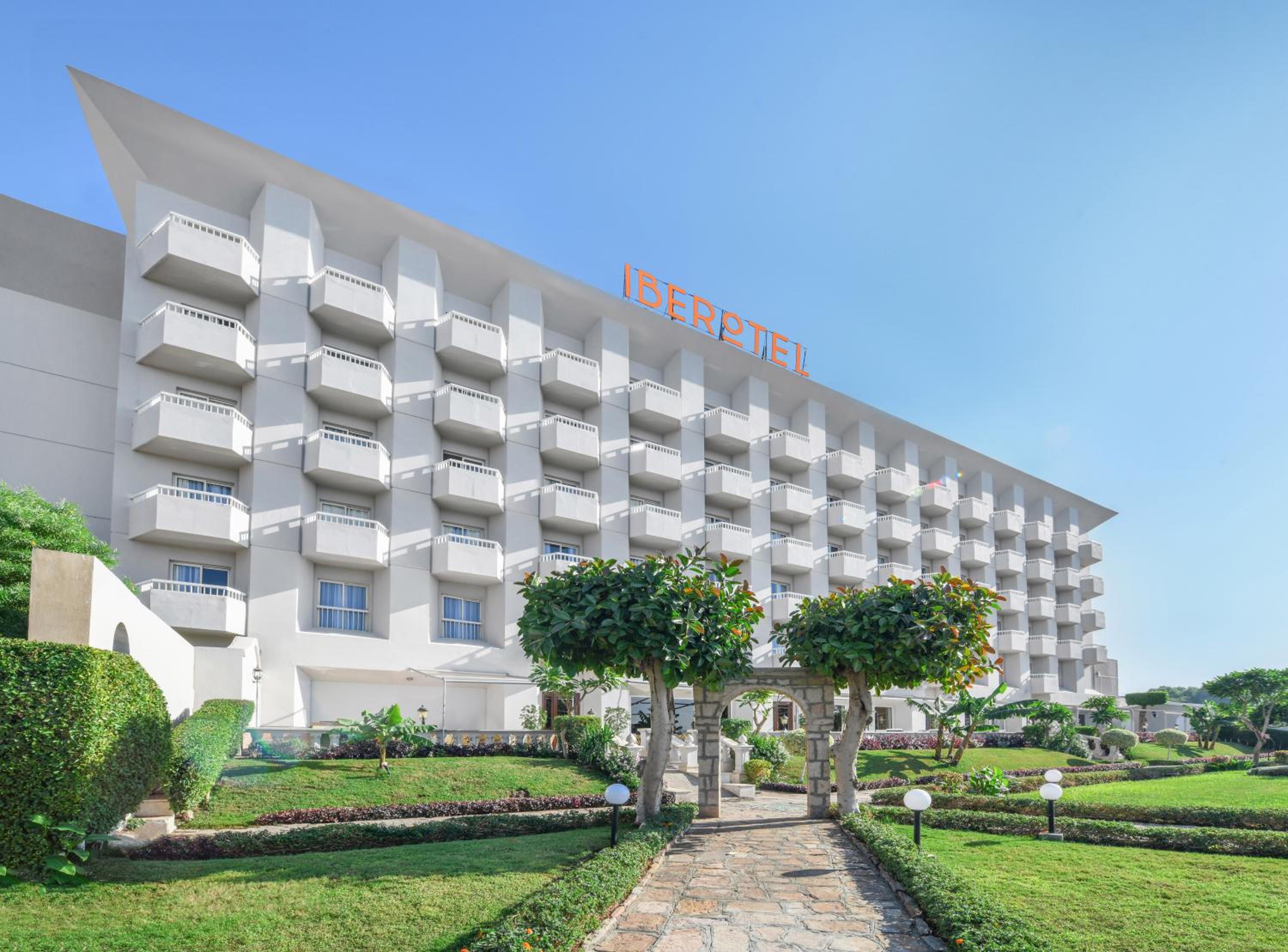
Iberotel Luxor
Khaled Ibn El Waleed Street
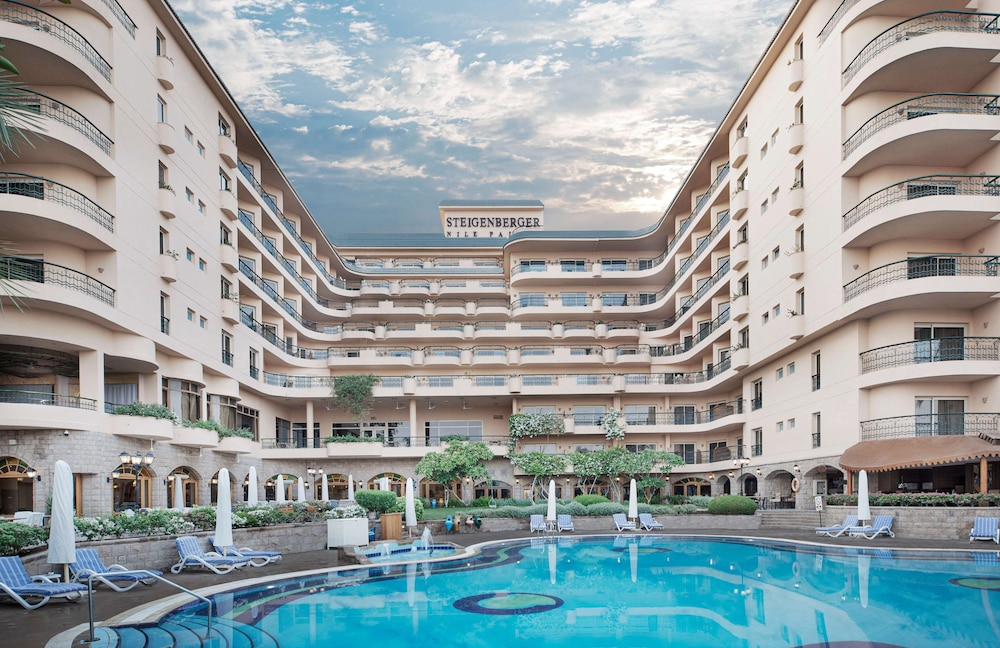
Steigenberger Nile Palace
Khaled Ben El Walid Street
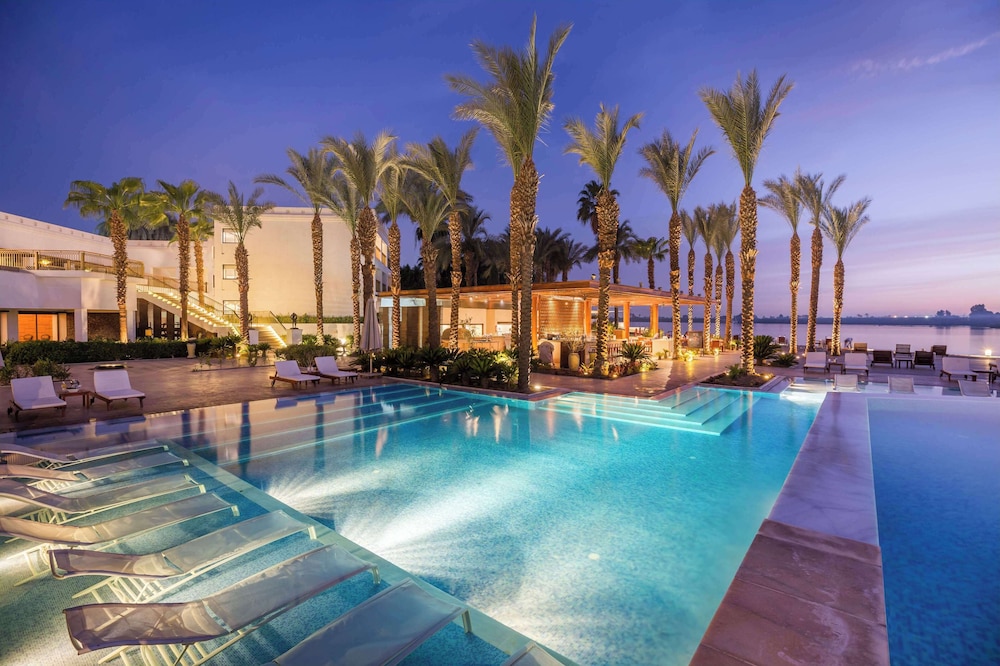
Hilton Luxor Resort & Spa
New Karnak
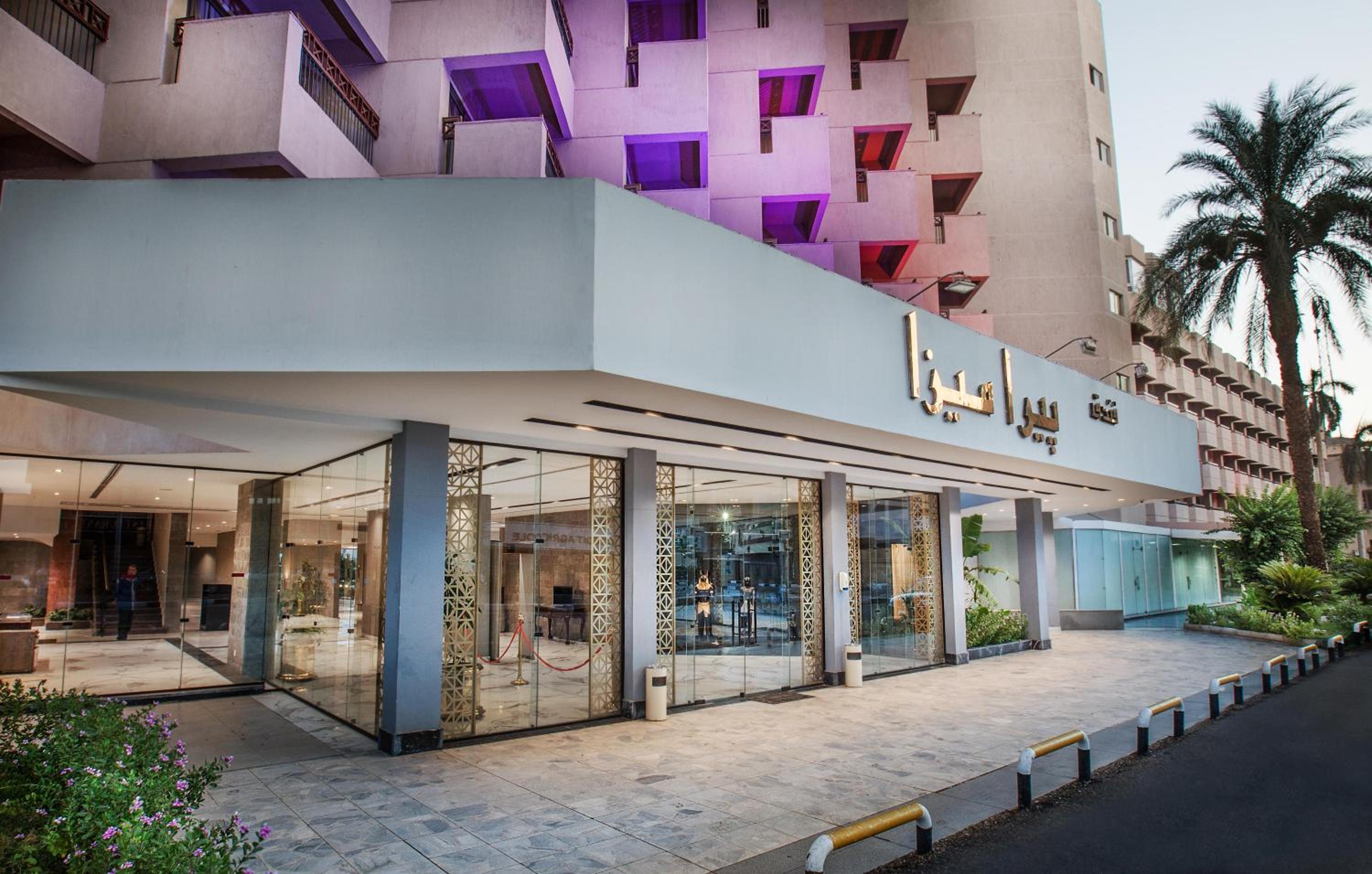
Pyramisa Hotel Luxor
Khaled Ibn El Waild Street

Sonesta St George Hotel Luxor
Corniche El Nile Street
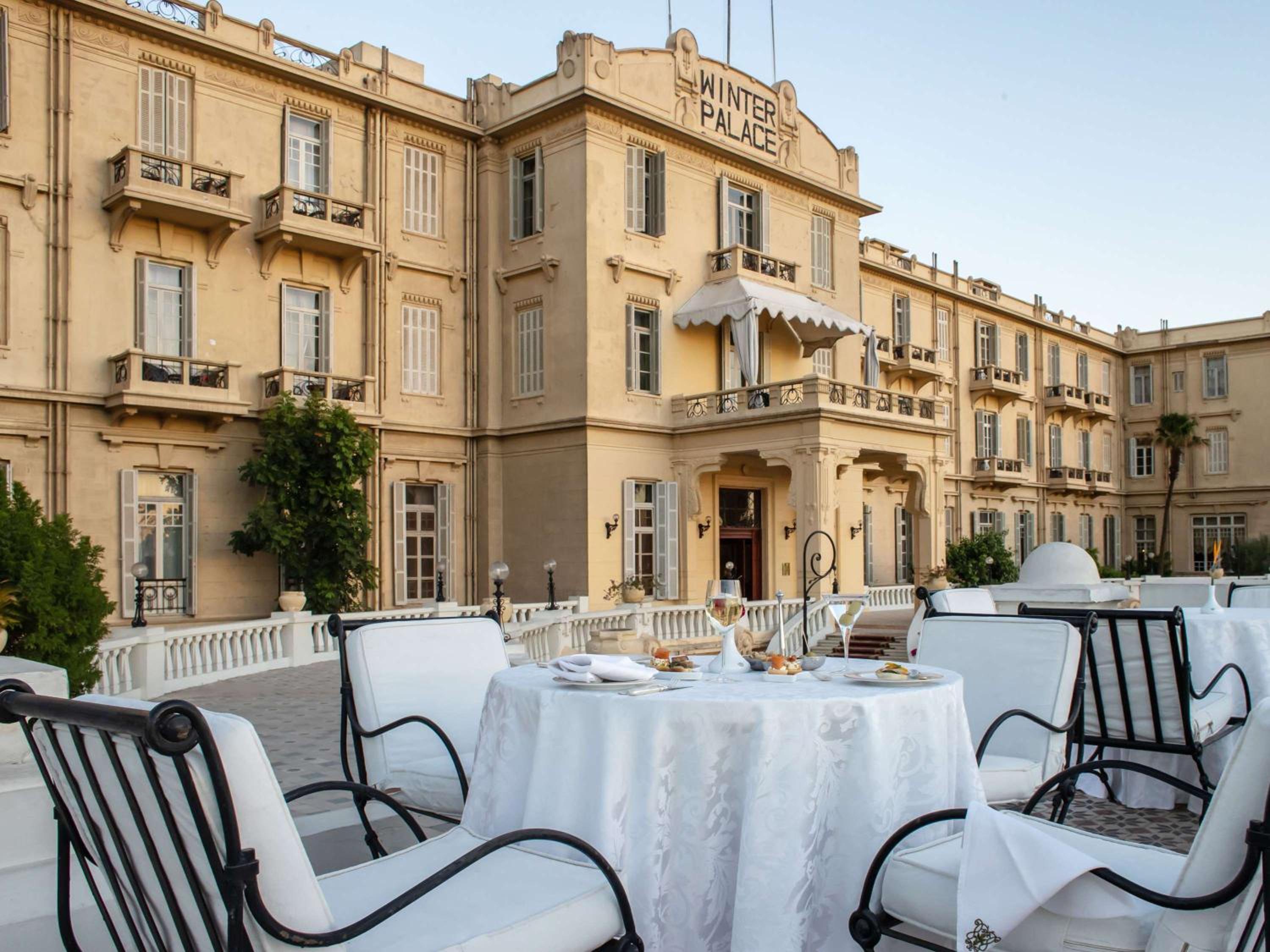
Pavillon Winter Luxor
Cornish El Nile Street
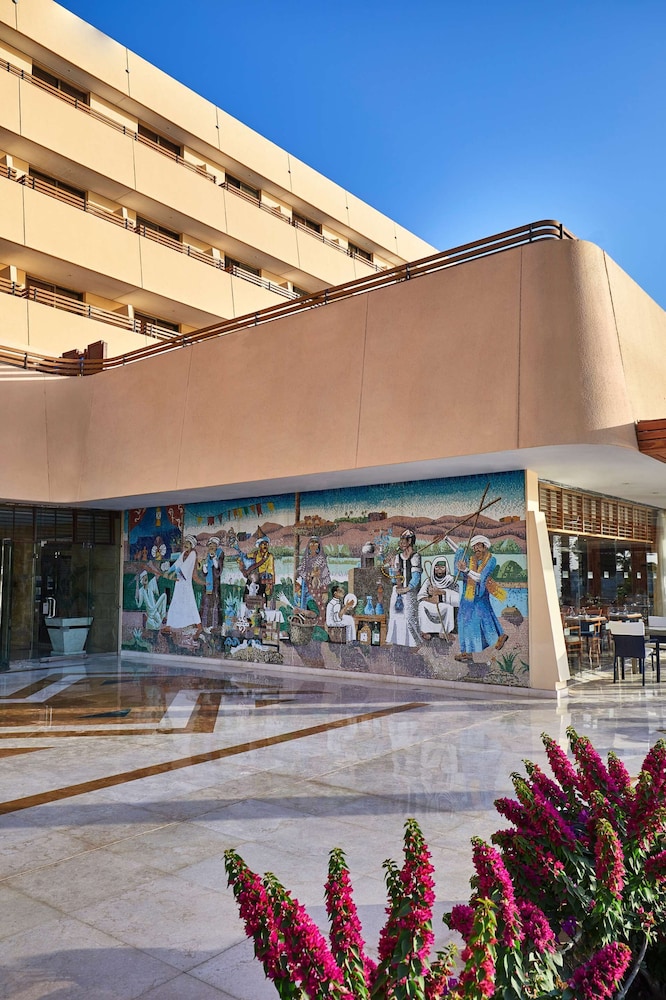
Steigenberger Resort Achti
Khaled Ben Walid St, East Bank
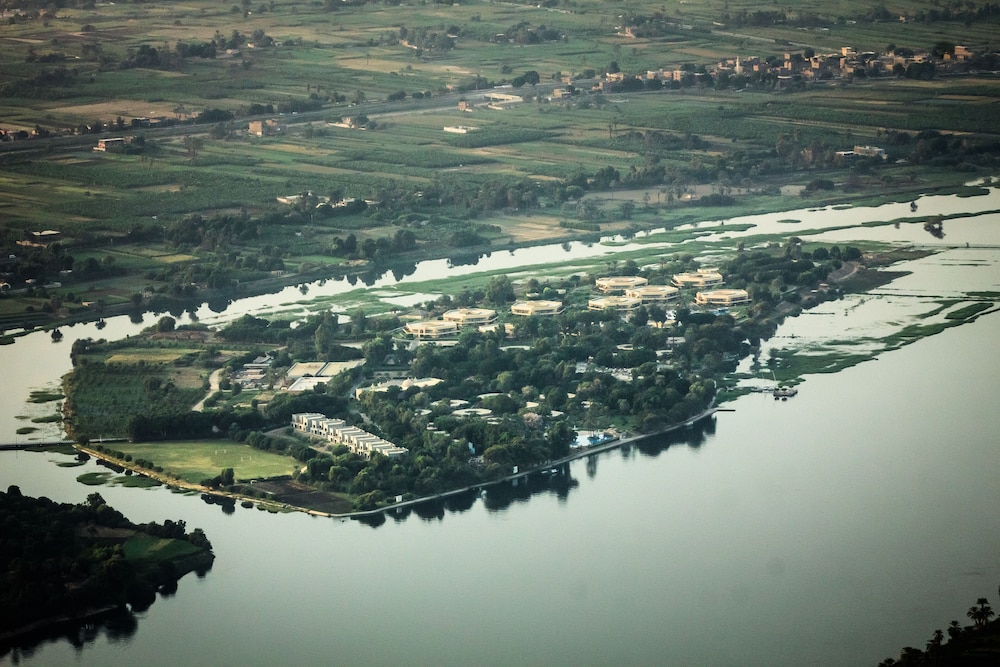
Jolie Ville Hotel & Spa Kings Island Luxor
Aswan Road - Kings Island

Sofitel Winter Palace Luxor
Cornish El Nile St
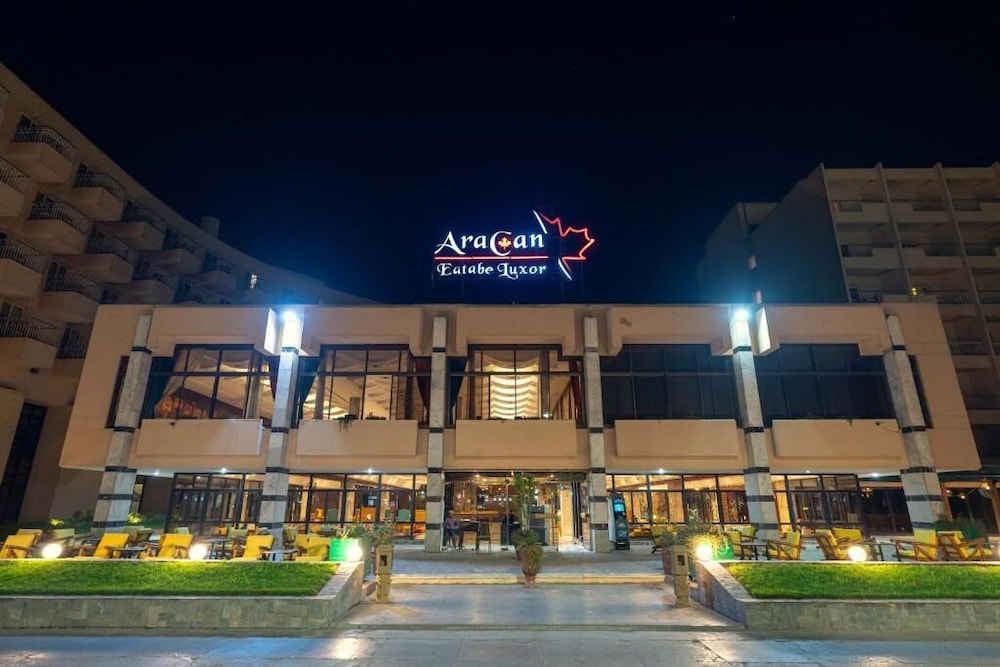
Aracan Eatabe Luxor Hotel
Cornish El Nile Street
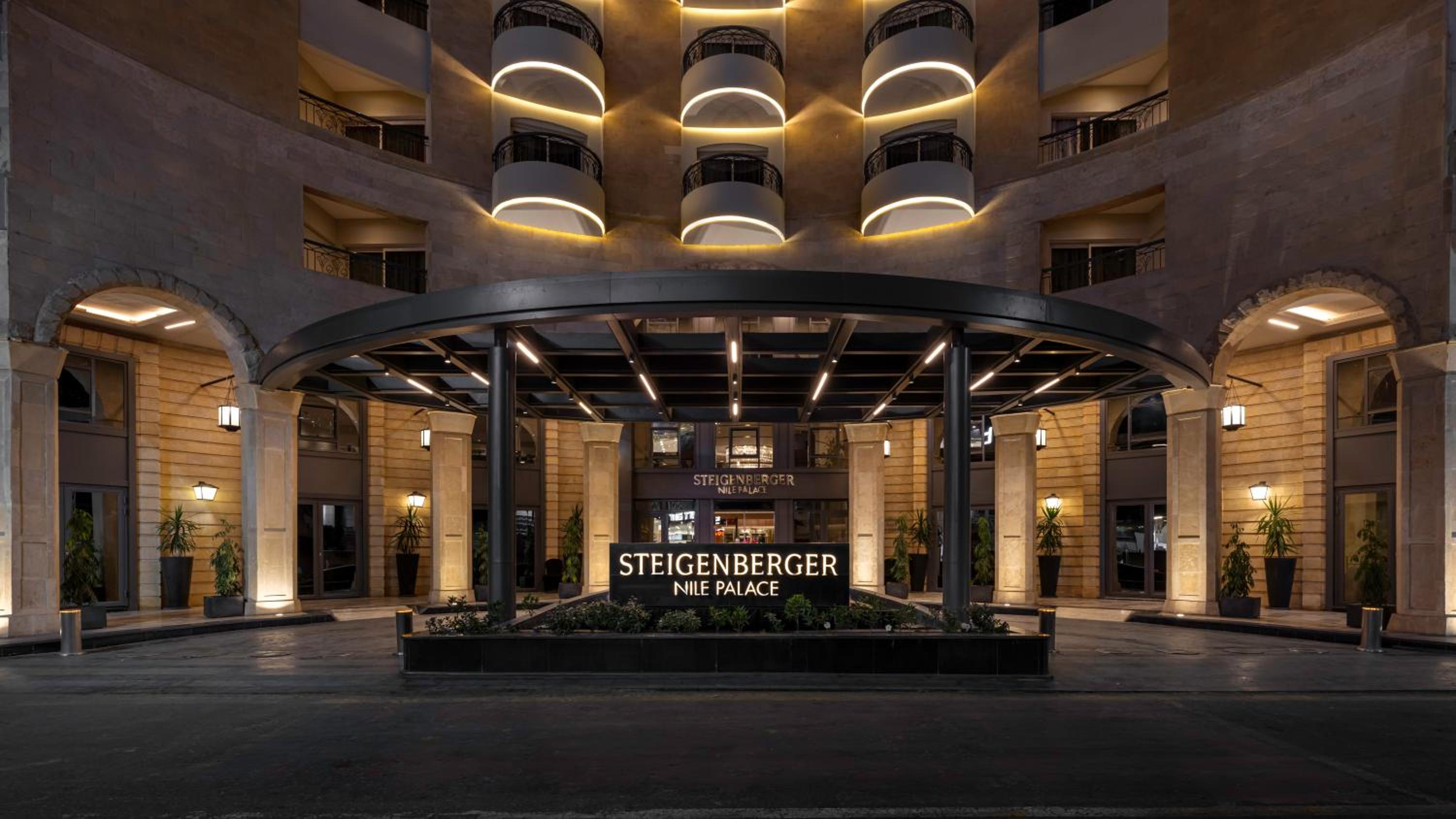
Steigenberger Nile Palace Luxor - Convention Center
Khaled Ben Walid St
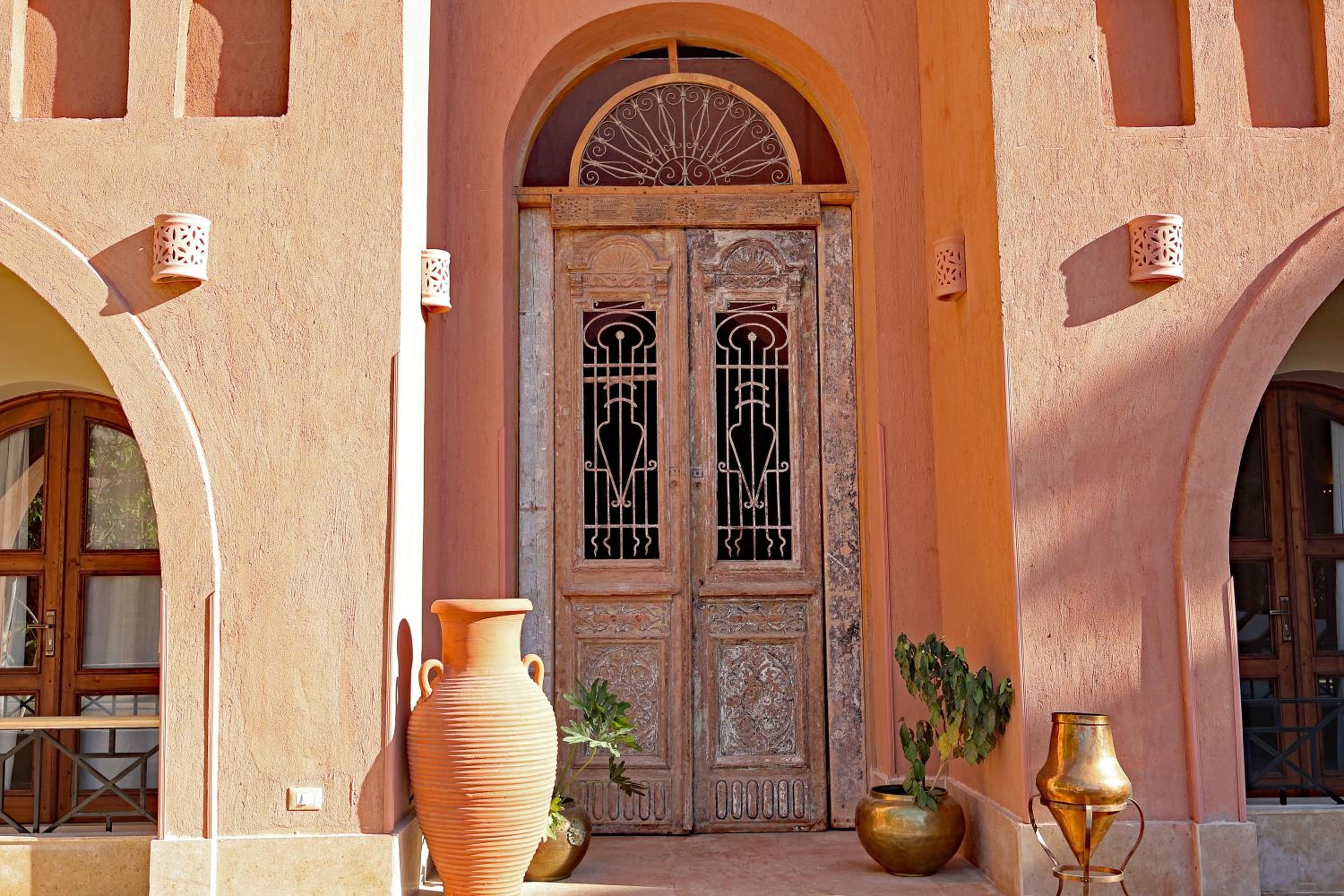
Malkata House - Boutique hotel and restaurant
Near the temple of Medinat Habu Al Bairat
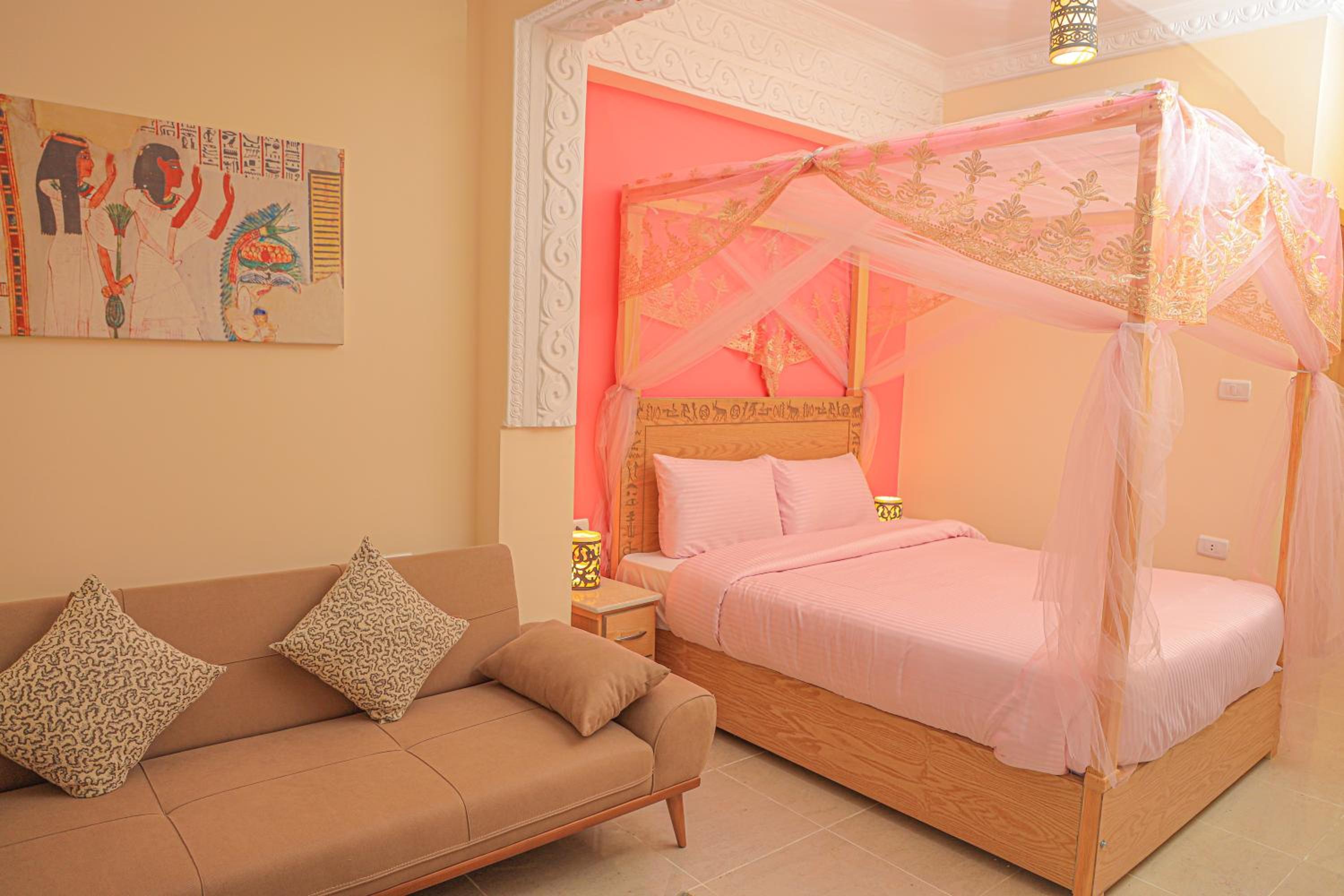
Jewel Howard Carter Hotel
Elgorf, Opposite to Steigenberger Hotel
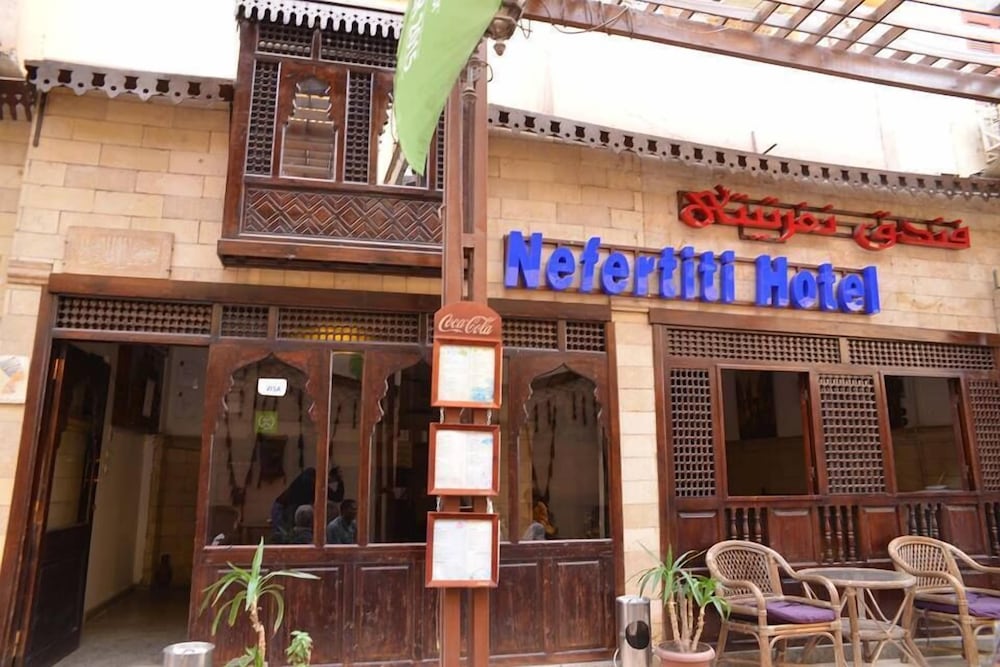
Nefertiti
El Sahabi Street, via Karnak Temple St
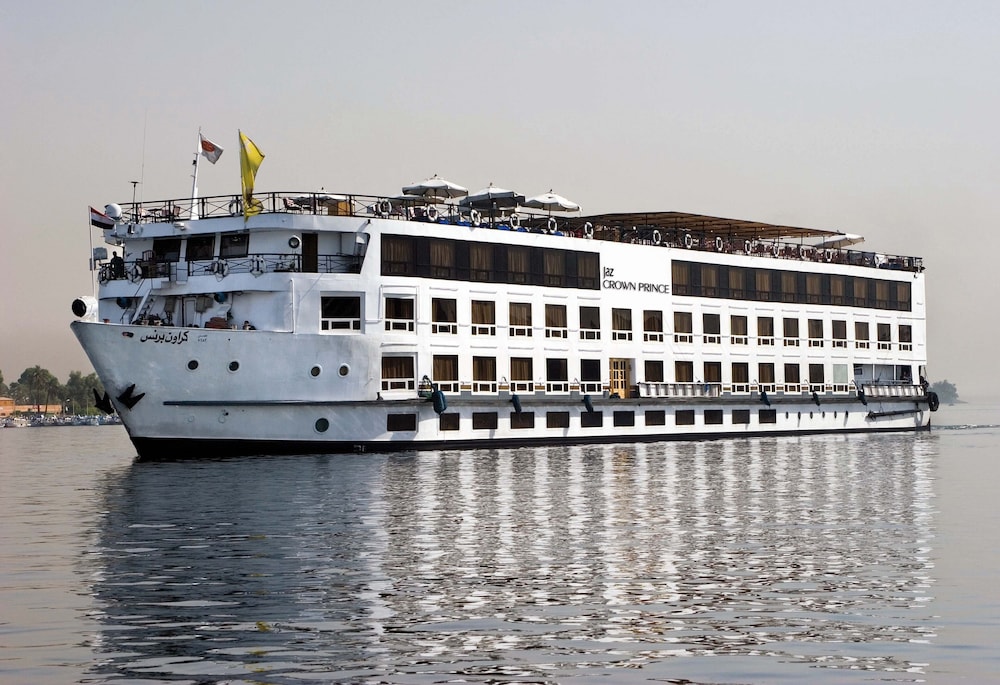
Jaz Crown Prince Nile Cruise - Every Monday from Luxor for 07 & 04 Nights - Every Friday From Aswan for 03 Nights
Edrissi Dock, Al Toud City
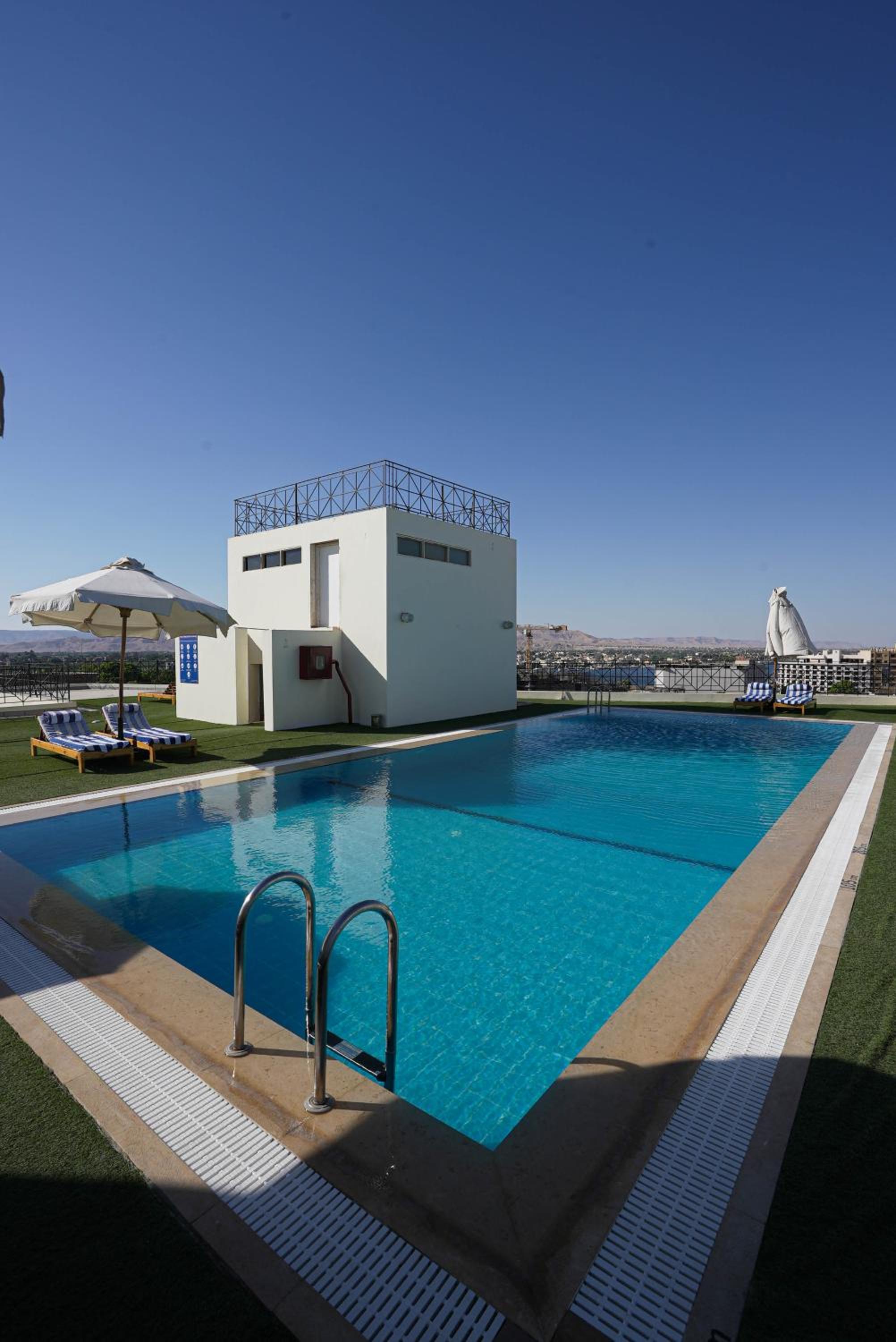
The Temple Hotel Luxor
Khaled Ibn Al Walid
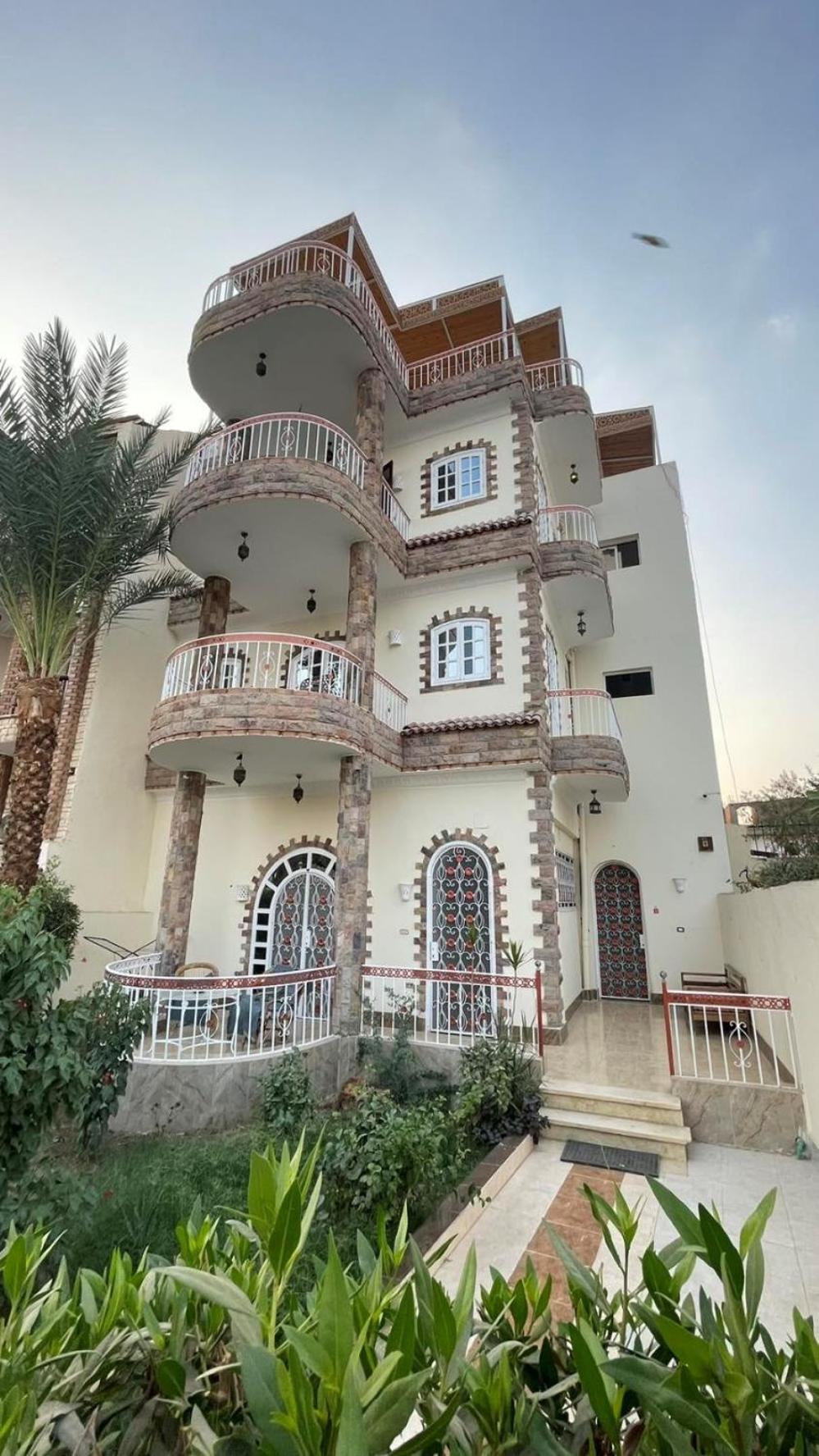
Full Moon House
El Ramla, Luxor West Bank, Luxor Close to the ferry
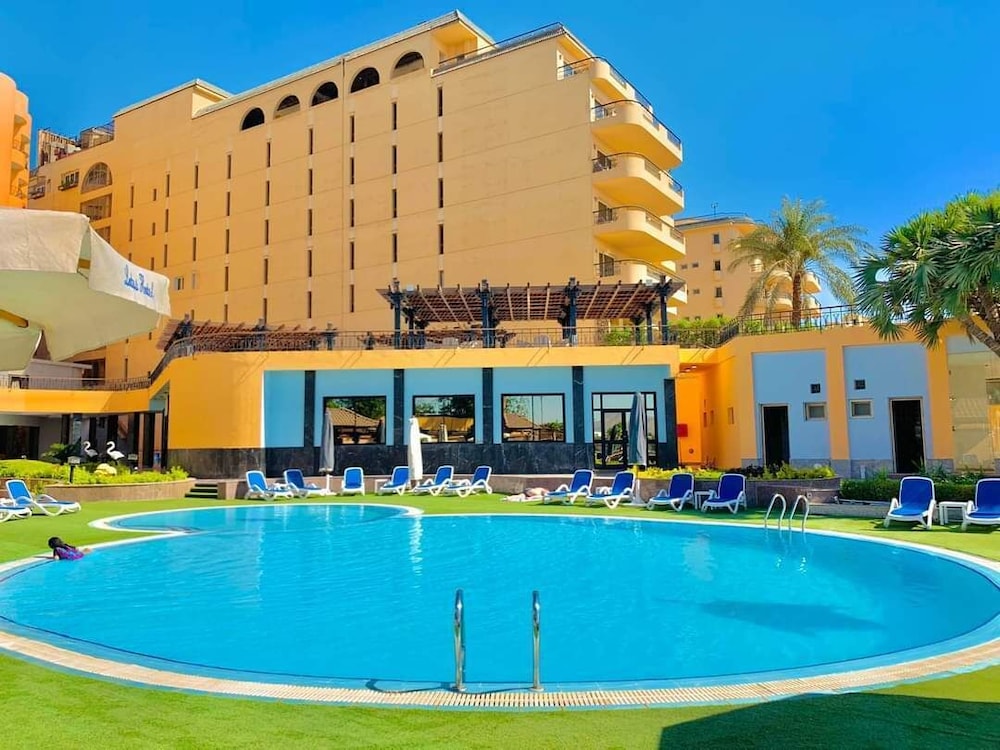
Lotus Luxor Hotel
Khaled Iben waild Corniche El Nile Al Oymia Luxor
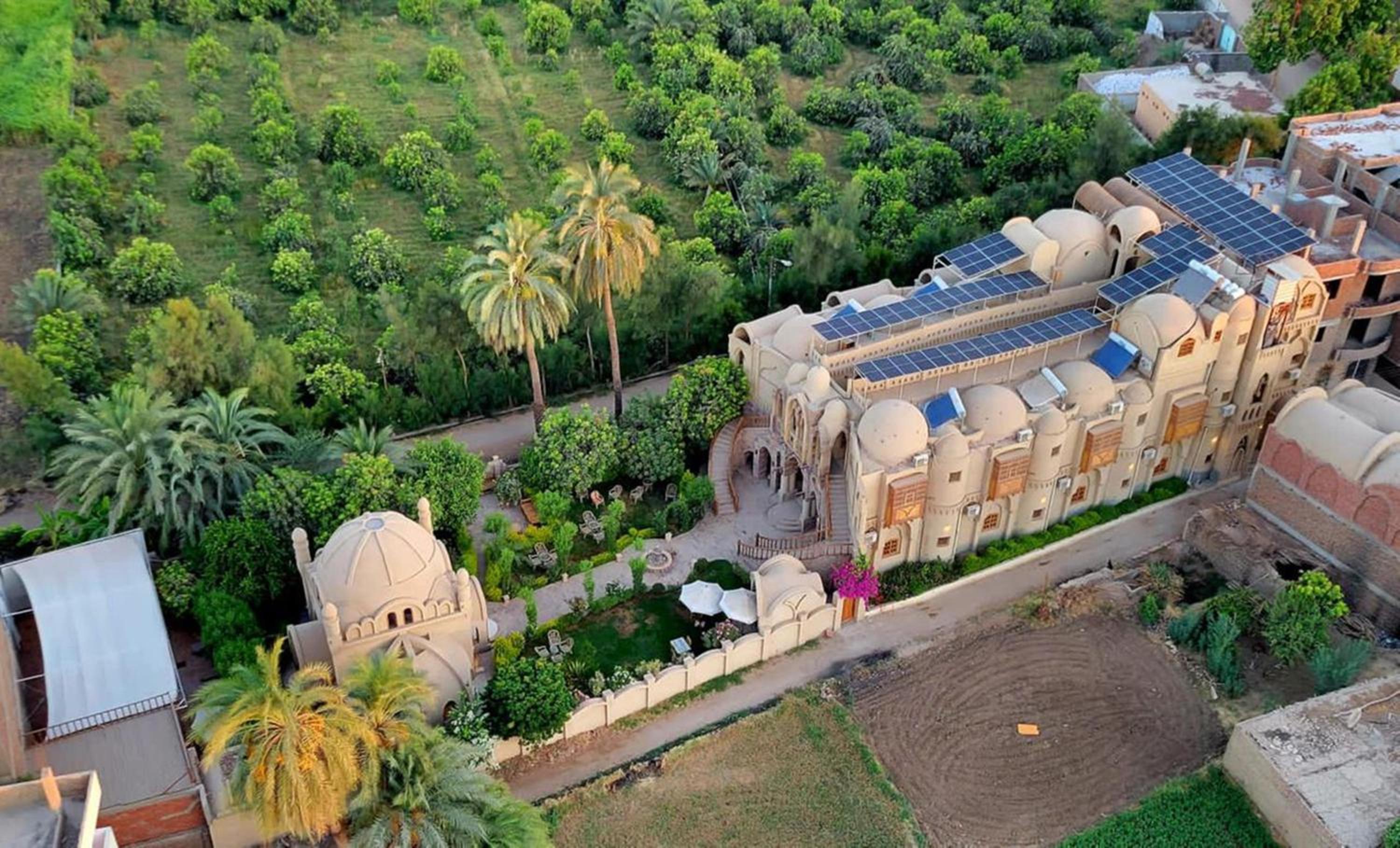
Embrace Hotel
West Bank
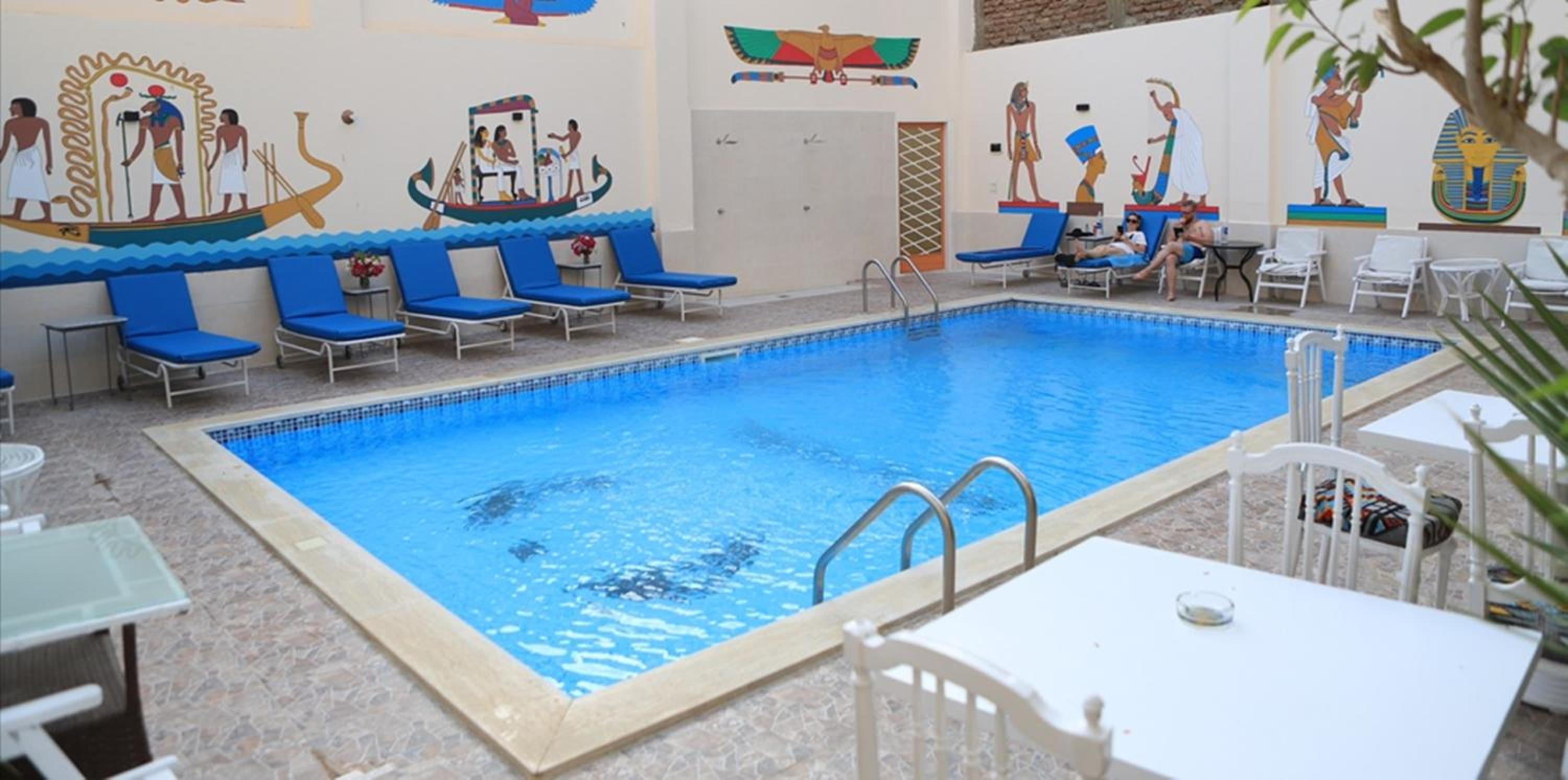
Amon Hotel
Gezira El Bairat
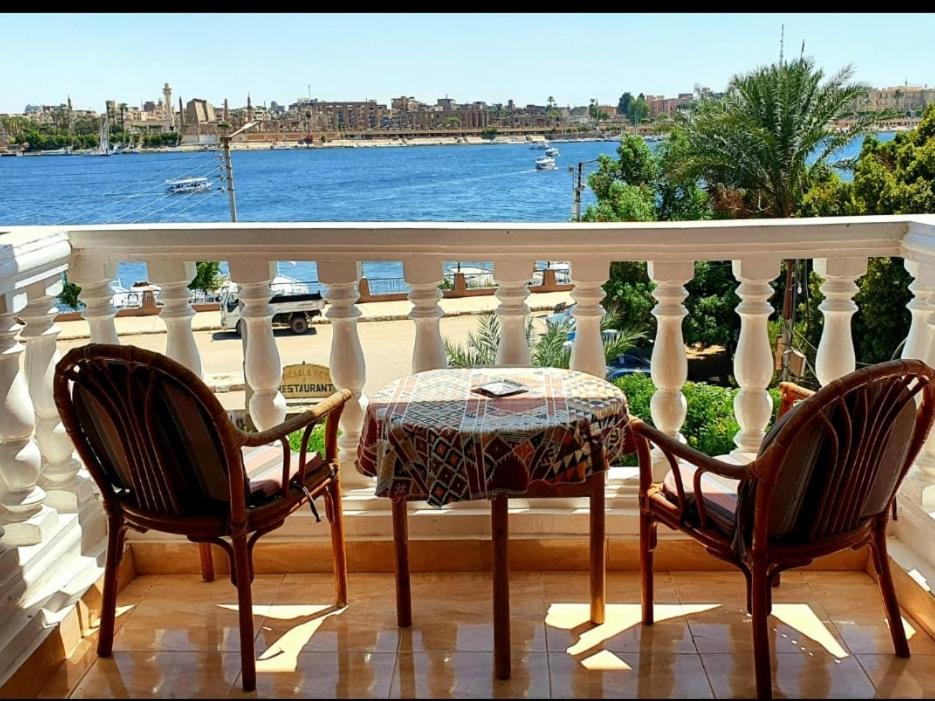
El Mesala Hotel
Al Ramla, West Bank
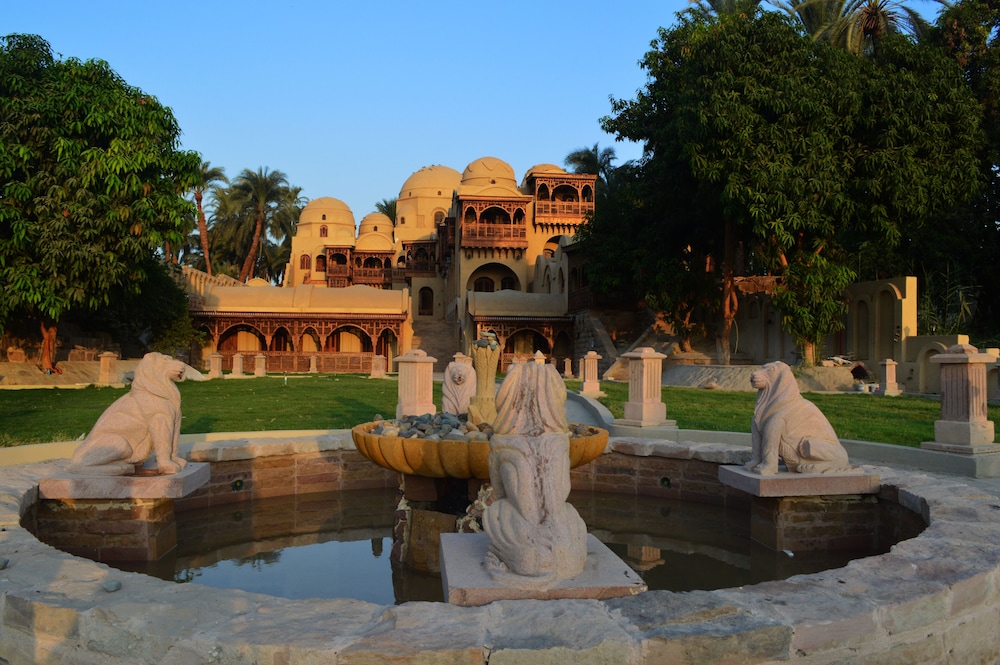
Djorff Palace
Next to Banana Island
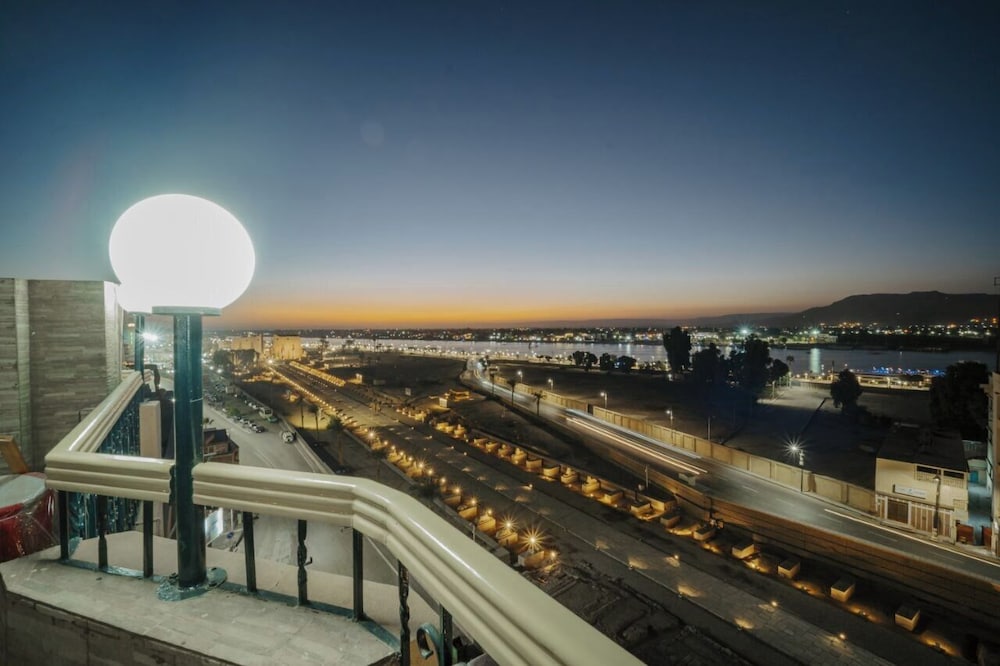
Queens Valley Hotel, Restaurants, Bars and Spa Luxor
Karnak Temple Street
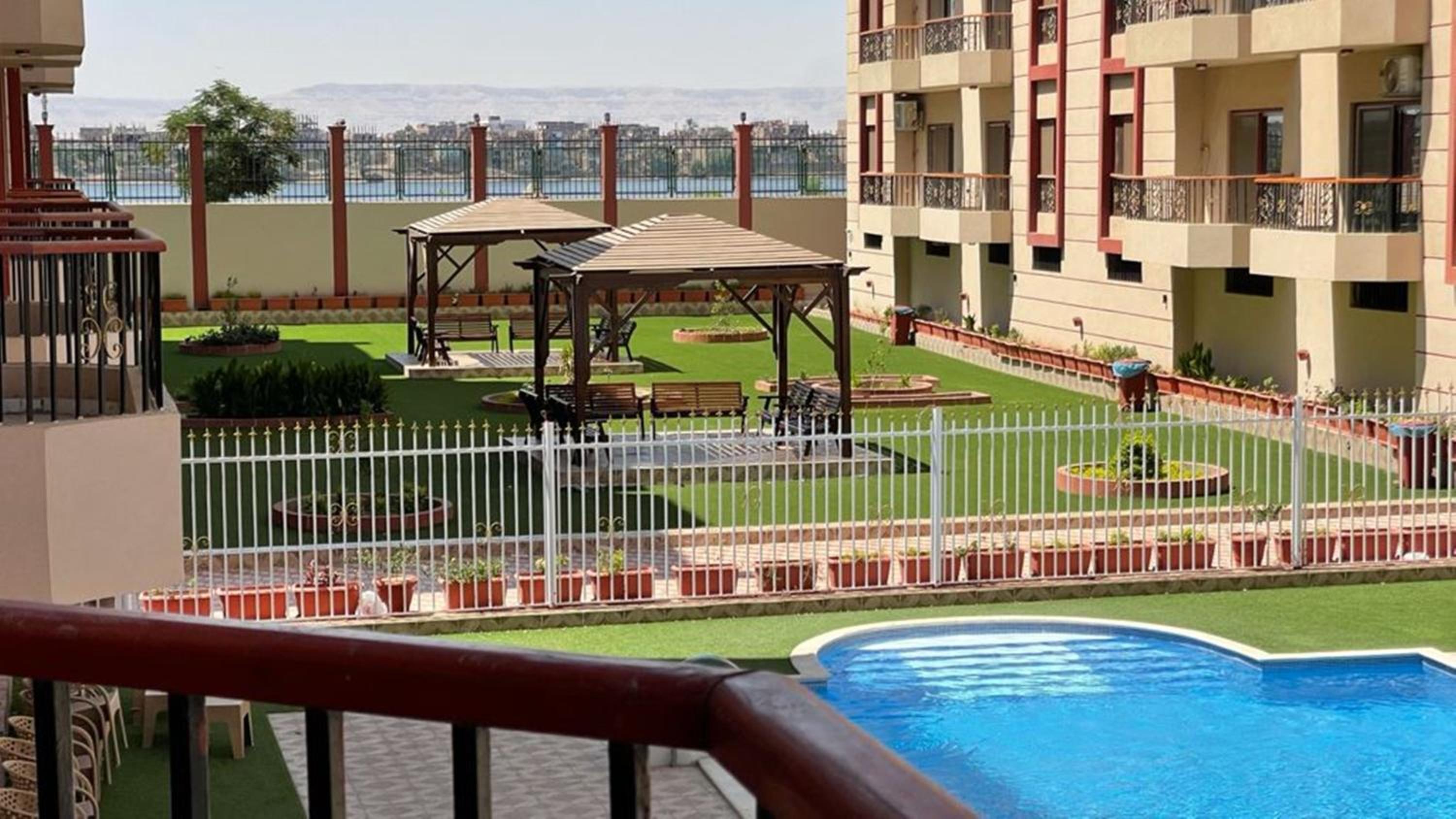
Kemet Apartment luxor
طريق المراسى.El-Boghdady, Luxor, Luxor Governora
Looking for More Options?
Browse thousands of hotels in Luxor, Egypt with real-time pricing and availability
Browse All HotelsPowered by our hotel partners
Recommended Restaurants


Interesting Facts
The Grand Avenue of Sphinxes, connecting Luxor and Karnak Temples, was buried for nearly 2,000 years before its monumental 3km re-opening in 2021, revealing over 1,000 sphinxes and ram-headed statues.
Ancient Thebes (modern Luxor) strictly separated life and death by the Nile: the East Bank was for the living (temples, palaces), while the West Bank, where the sun sets, was reserved for the dead (tombs, mortuary temples).
Karnak Temple's Great Hypostyle Hall is so vast that its 134 towering columns could comfortably contain the entire Notre Dame Cathedral within its walls, showcasing an unparalleled ancient architectural scale.
The Valley of the Kings on Luxor's West Bank contains over 60 known royal tombs, with ongoing archaeological efforts continually uncovering new chambers and antechambers even today.
The Colossi of Memnon, two massive statues of Amenhotep III, were once famous for 'singing' at dawn due to temperature-induced vibrations in cracks, a phenomenon considered a divine omen by ancient Greeks and Romans.
Queen Hatshepsut's Mortuary Temple at Deir el-Bahari is a striking architectural marvel, designed with three terraced levels that dramatically merge with the sheer cliffs of the Theban mountains behind it.
Luxor is home to Deir el-Medina, the world's first known planned workers' village, offering an unprecedented glimpse into the daily lives, social structures, and personal stories of the artisans who built the royal tombs.
Unlike most ancient Egyptian temples that ceased active use, Luxor Temple has continuously been a site of worship throughout history, housing a Roman shrine, then a mosque (Abu al-Haggag Mosque) which remains active within its courtyard today.