
Guilin, China
Overview
Cruise the Li River, surrounded by iconic karst peaks and lush greenery. Explore the Reed Flute Cave's stunning rock formations and immerse yourself in Guilin's rich history and culture, visiting ancient pagodas and charming local villages.
Best Time to Travel
Best Months
Spring and Fall
Pleasant weather conditions
Months to Avoid
Check local weather patterns
Consider visiting during other months
Peak Season
Summer months
Expect larger crowds and higher prices
Top Things to Do
甑皮岩遗址

Guilin Garden Show Park

Crown Cave Scenic Spot

Fuboshan Park (West Gate)
Shenlonggu

大圩古镇

Yijiangyuan Scenic Area

Jiangtou Ancient Village

杨堤

Xingping Scenic Area

Nine horses mountain resort

Jiuma Huashan Xiagu Drift Scenic Area

Xingping Shuizhai
Lizongren Former Residence

七星岩

Xiangshan Scenic Area

Chuanshan Park

Guilin Art Museum

桂林冠岩景区

Guilin Shike
Recommended Hotels
Search All Hotels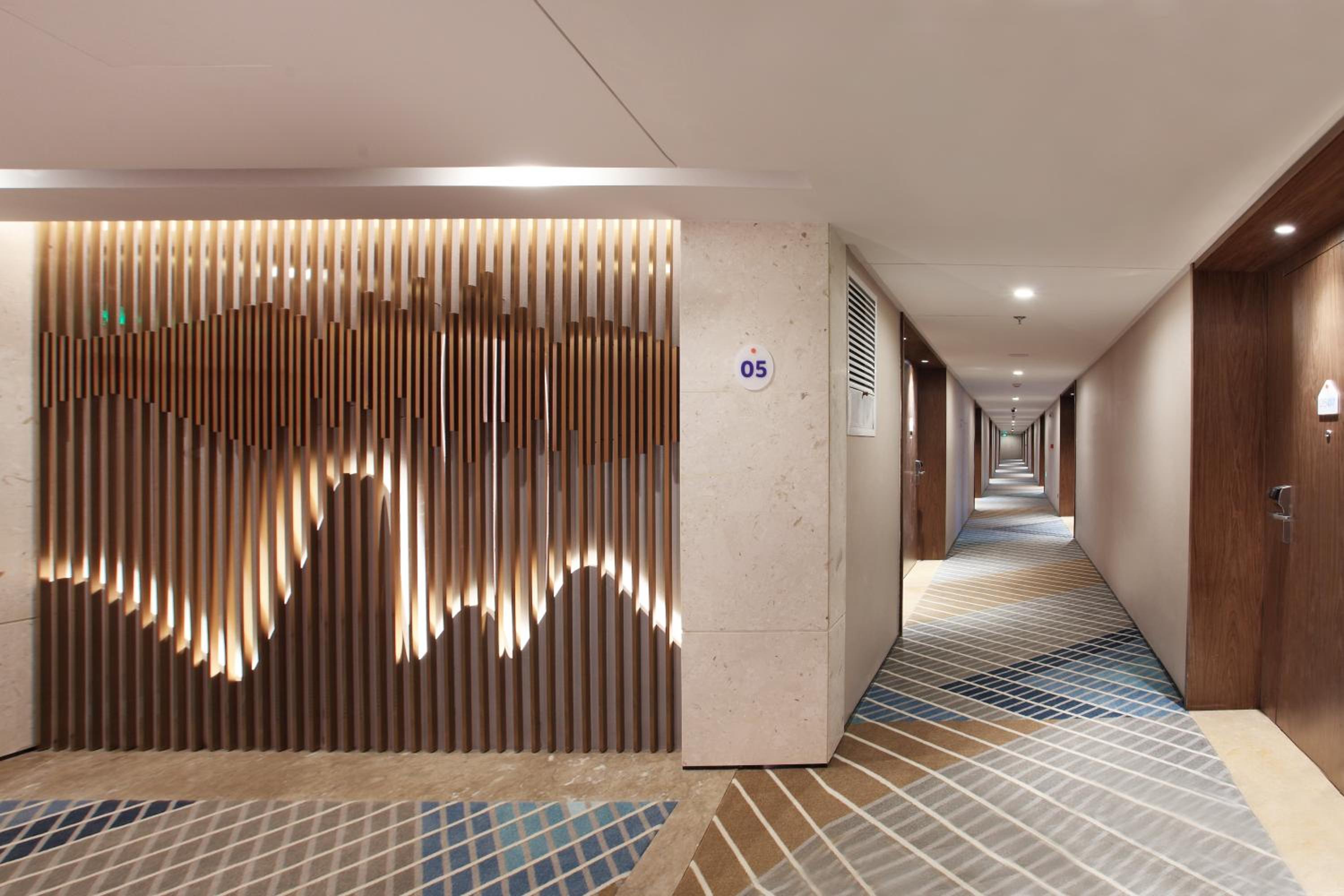
Holiday Inn Express Guilin City Center by IHG
No 30 Yiren Road
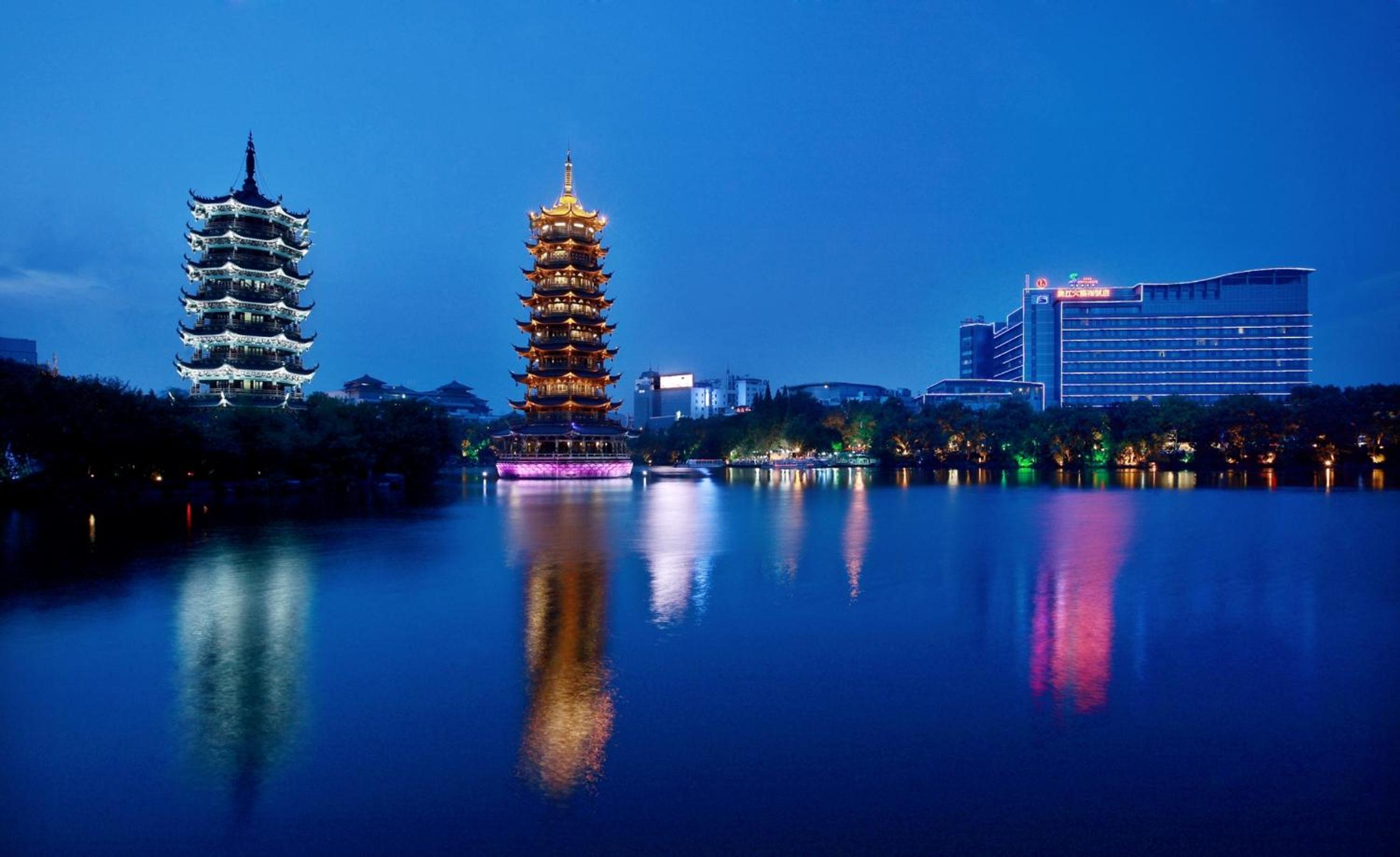
Lijiang Waterfall Hotel Guilin
No.1 North Shanhu Road
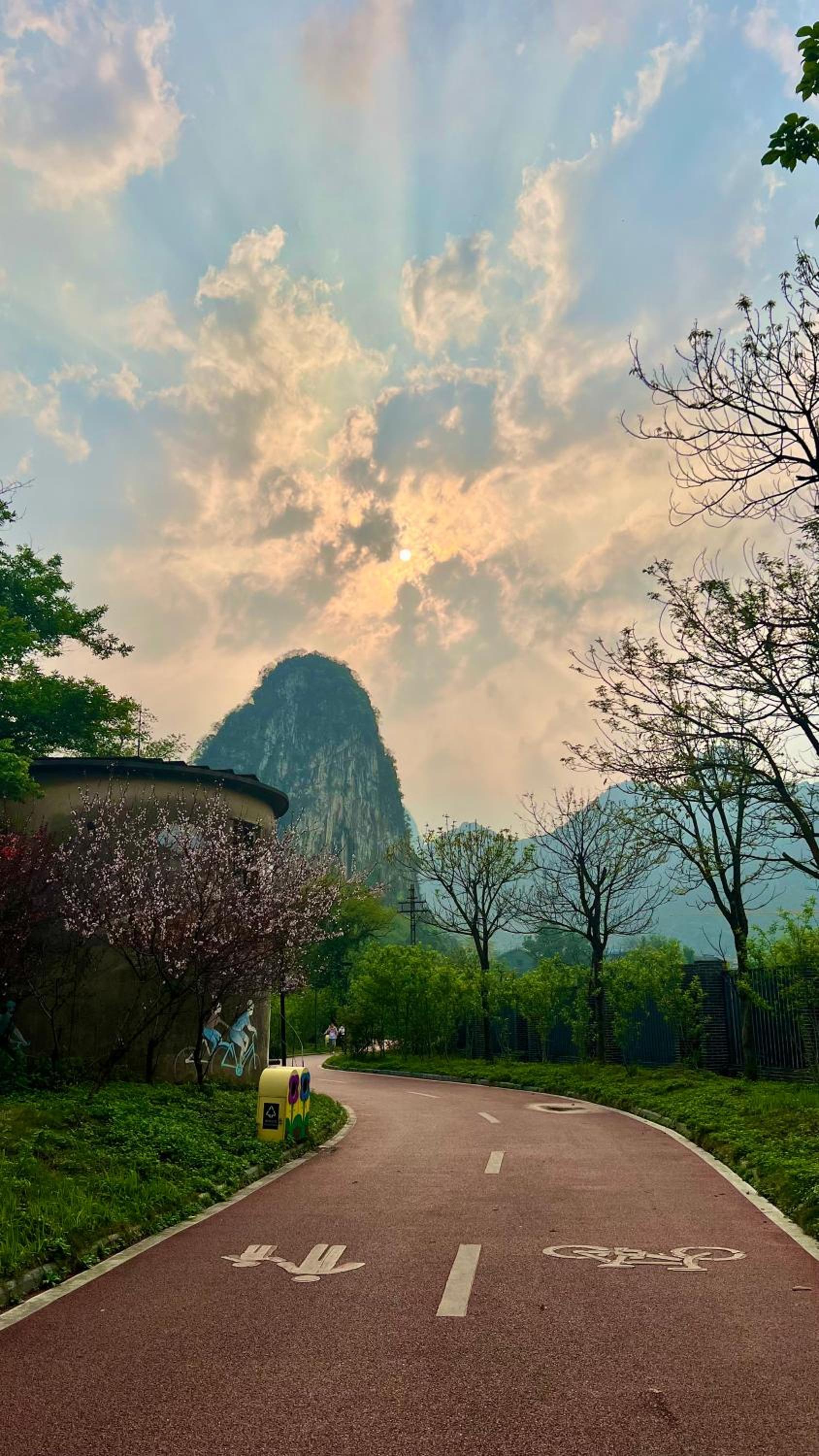
The Beyond Villa Guilin
No. 58 Lujia Village, Taohuajiang Road
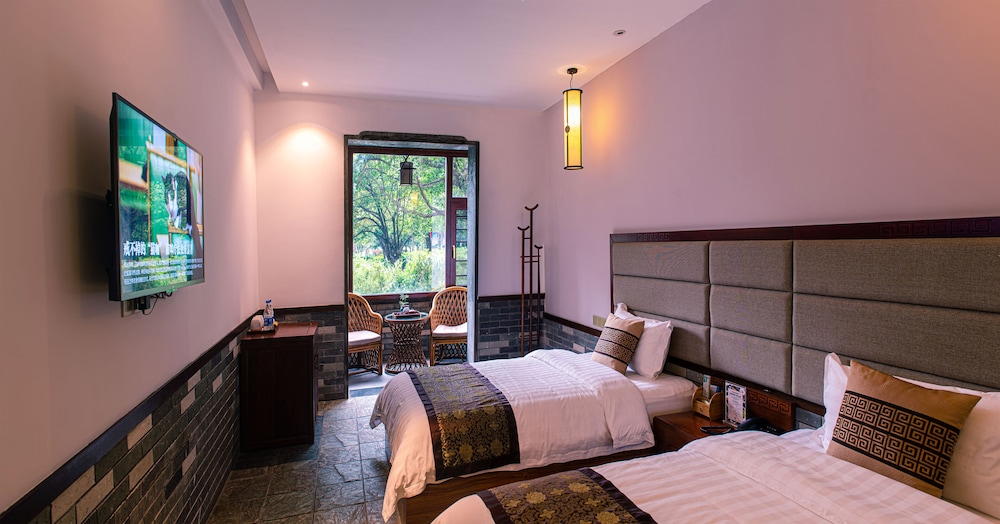
Aroma Tea House
No.9 South Ronghu Road
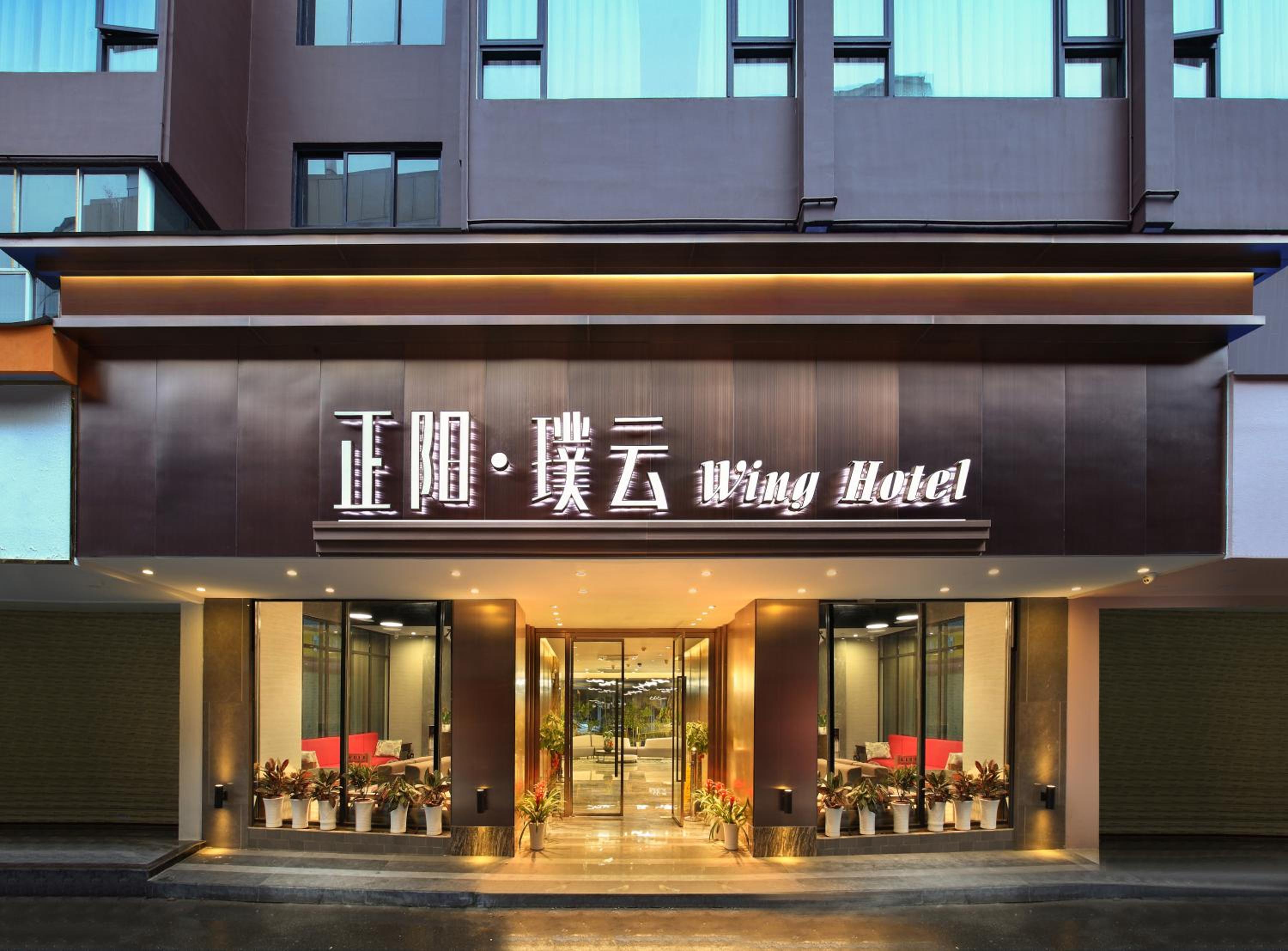
Wing Hotel Guilin - Central Square
No.34,Yiren Road
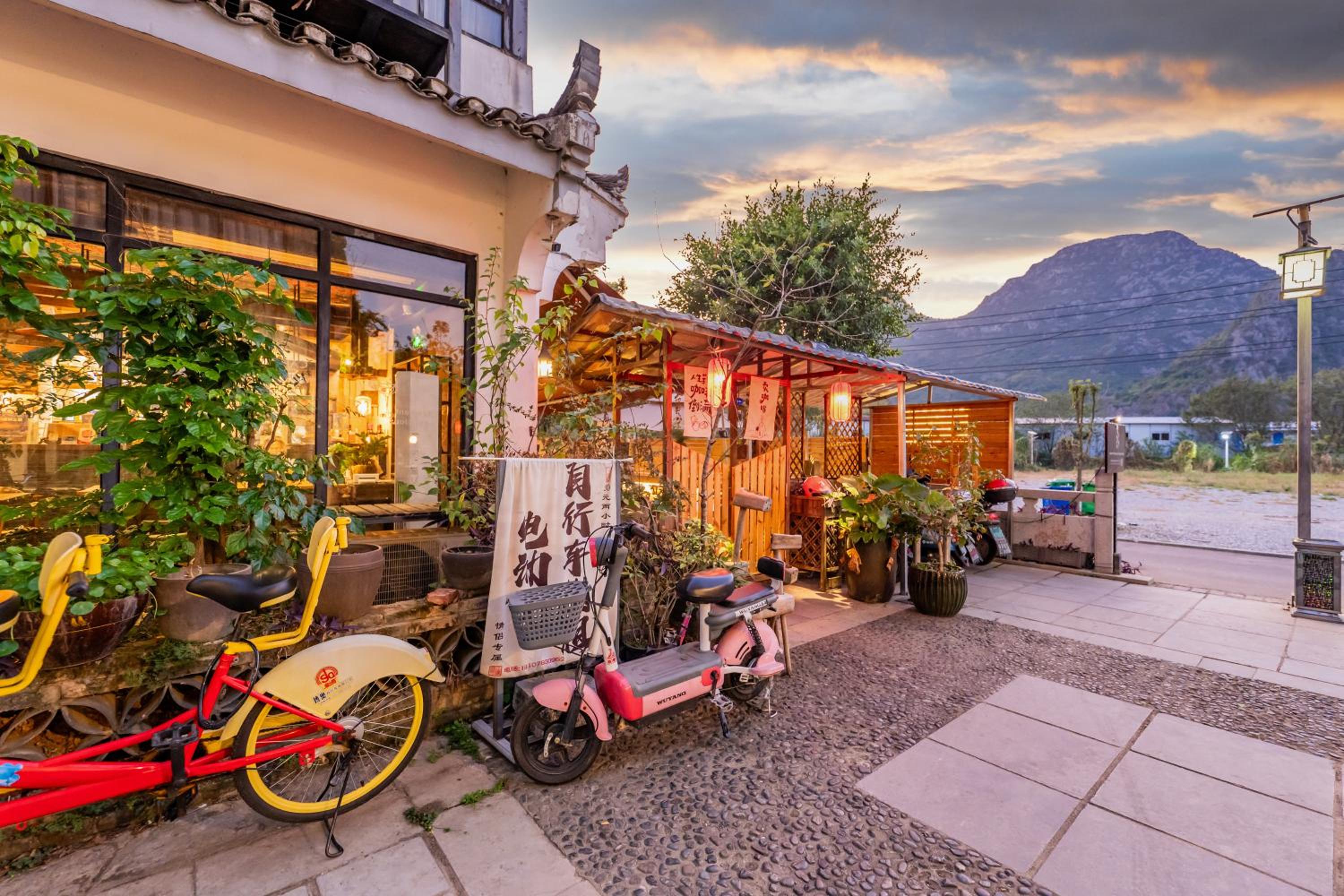
Secret Courtyard Resort Hotel
No. 32 Lujia Cun, Taohua Jiang Road
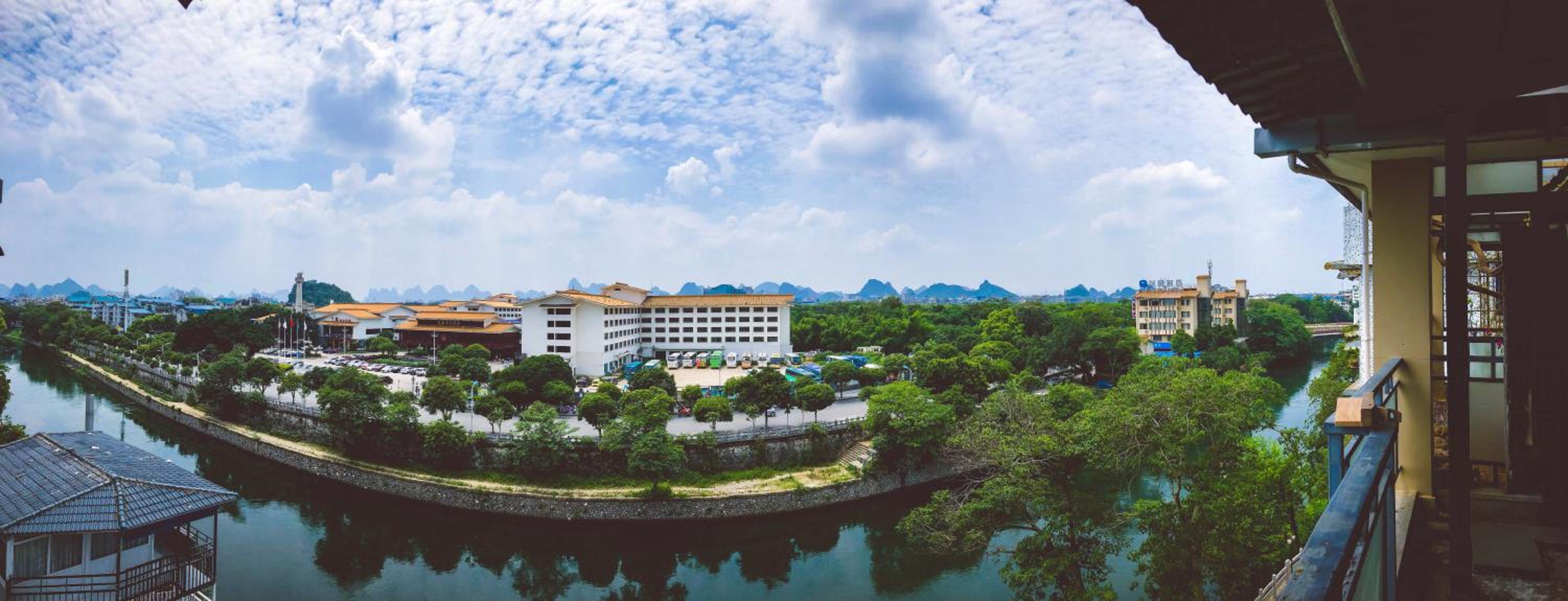
Zen Tea House Seven Stars Park
No.10 Shi Jia Yuan Road
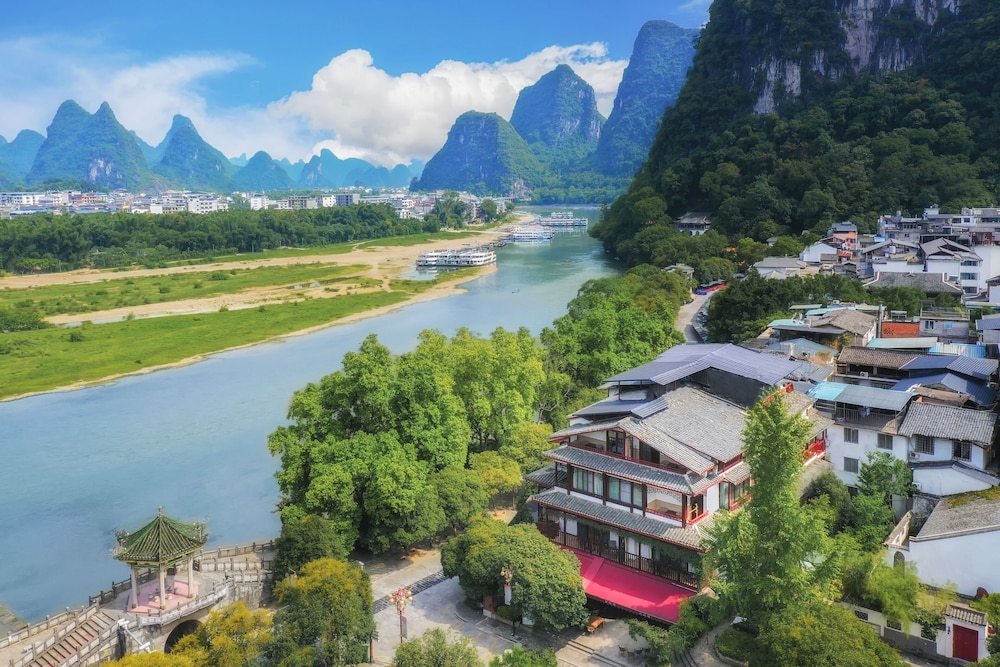
Yangshuo Riverview Hotel
No.25, Binjiang Rd, Yangshuo
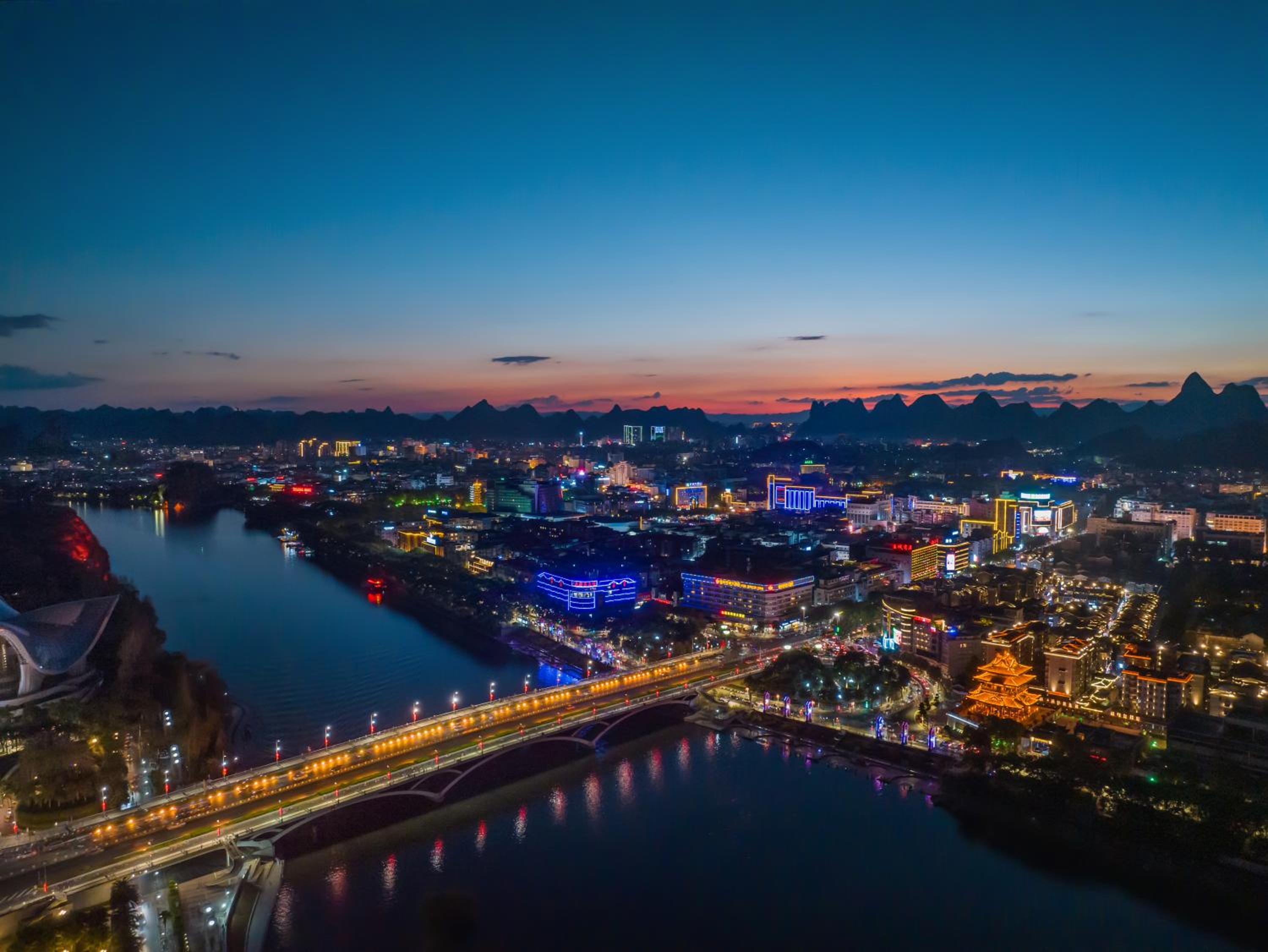
Riverside Wing Hotel Guilin
17 Binjiang Road, Xiufeng District
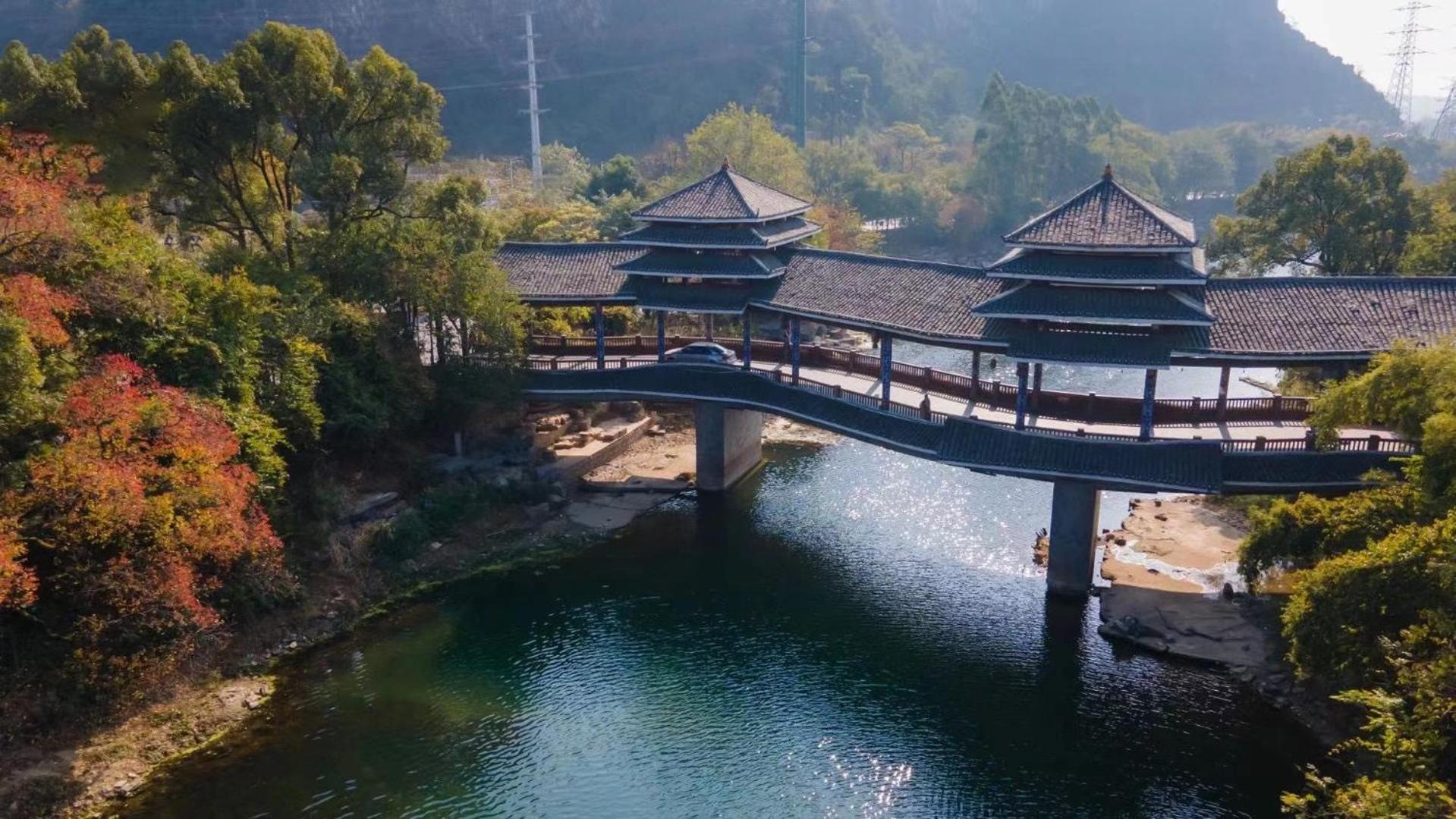
Guilin Bonjour Boutique Hotel- Free pick up service over 3 nights
43 Lujiacun Village
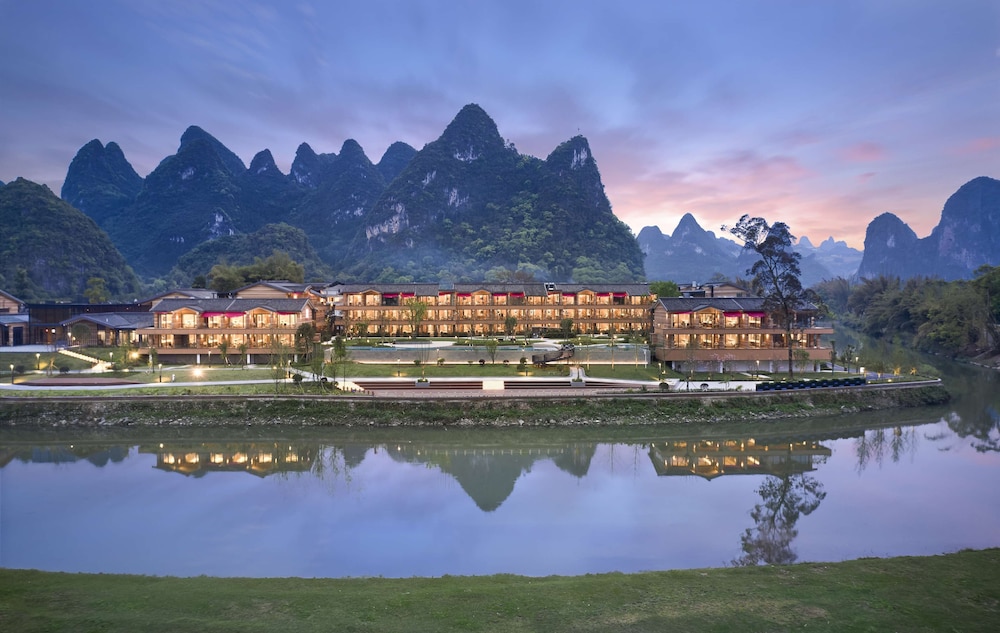
Hilton Garden Inn Guilin Yangshuo
No. 63 Xinrong Street, Xinping Town
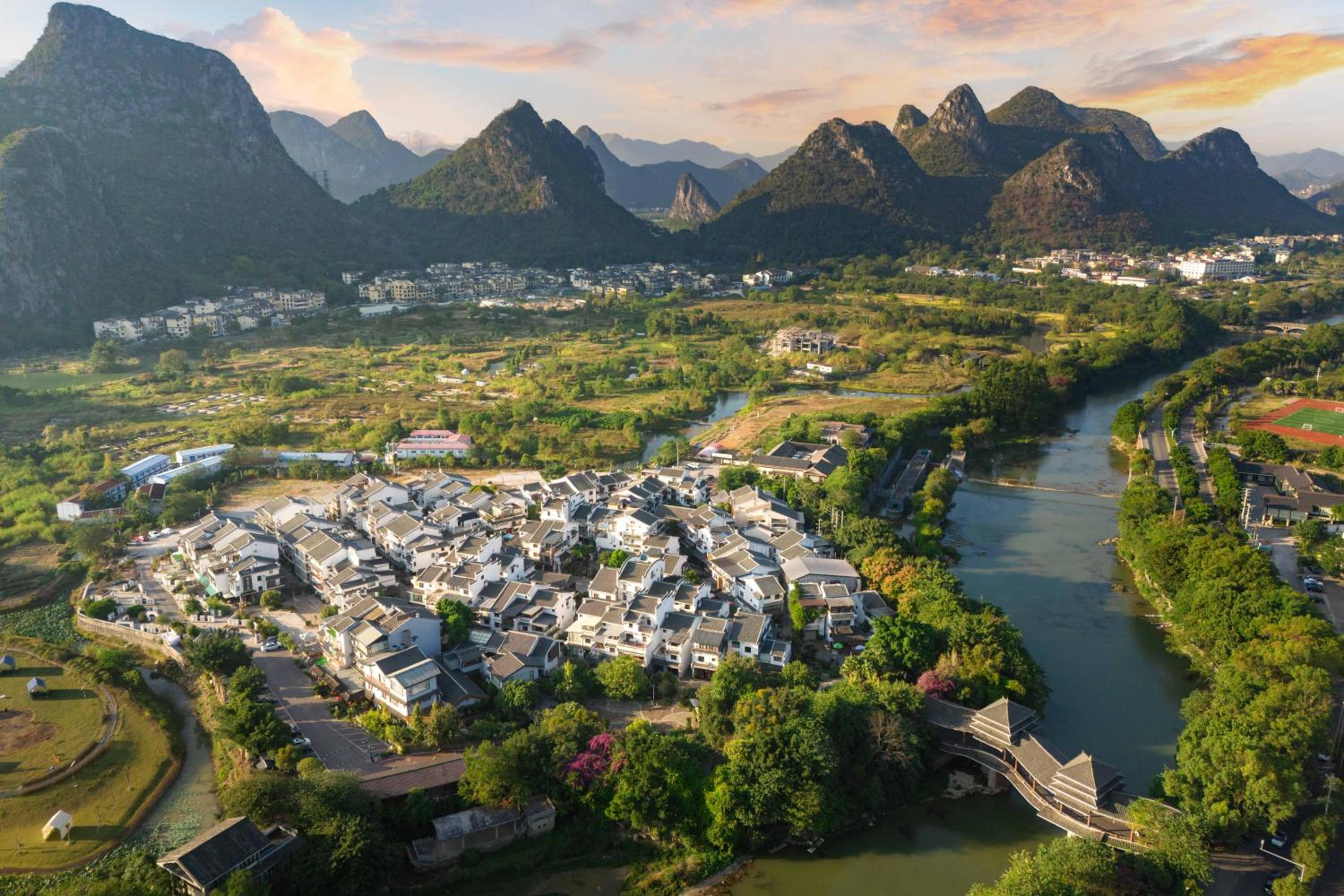
Guilin Village Creek Inn--Fee pick up service over three nights
No.6, Miaomenqian Village, Ludiyan Scenic Area
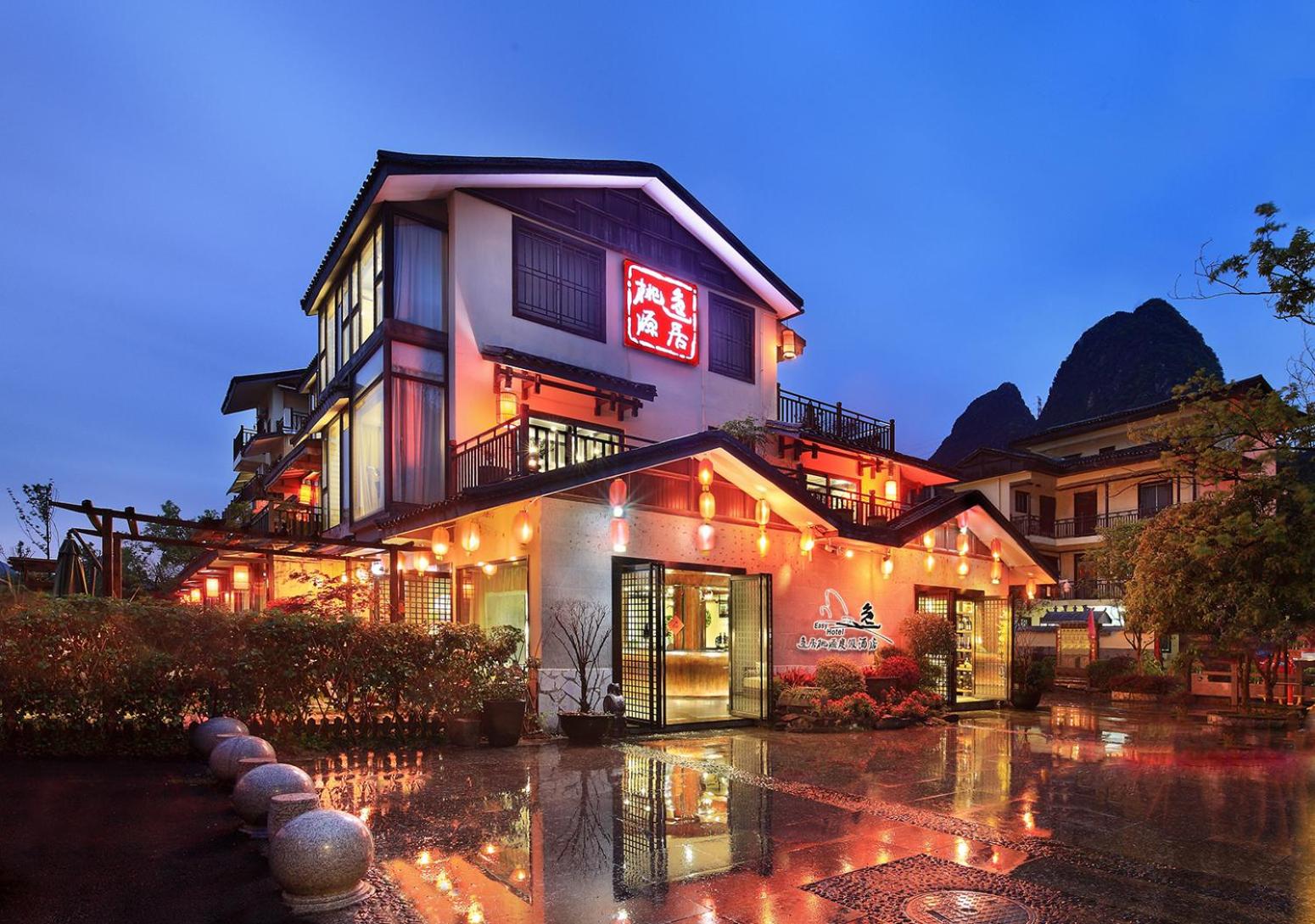
Secret Garden Lakefront Hotel 连住两晚享高铁站免费接站
Building1/2/3/5 Miaomenqian Village
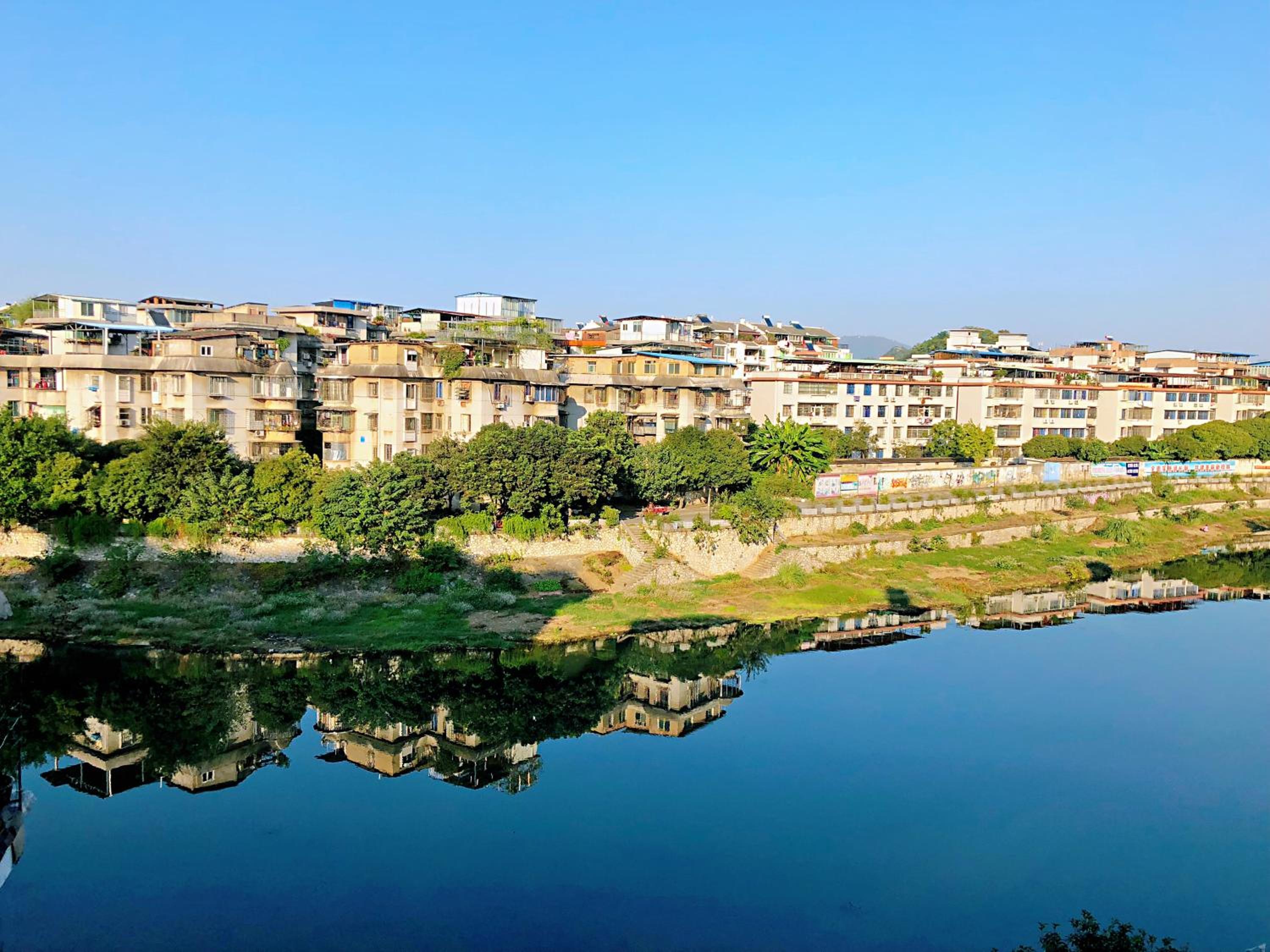
Lakeside Inn
No.104, Zhishan Road
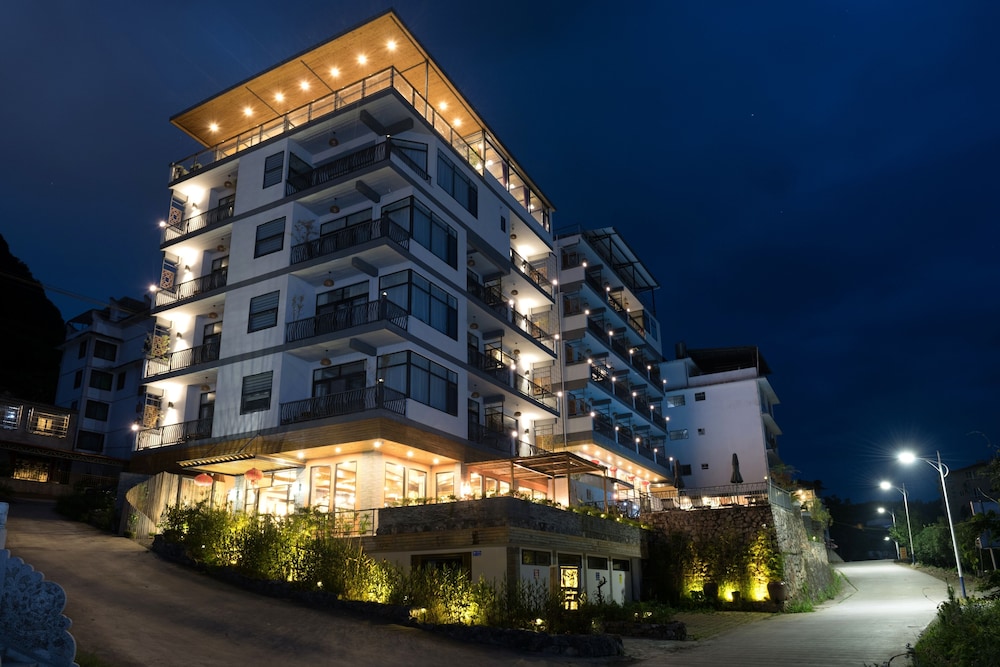
The Bamboo Leaf Yangshuo
No. 48 Shi Ban Qiao Village, Yangshuo
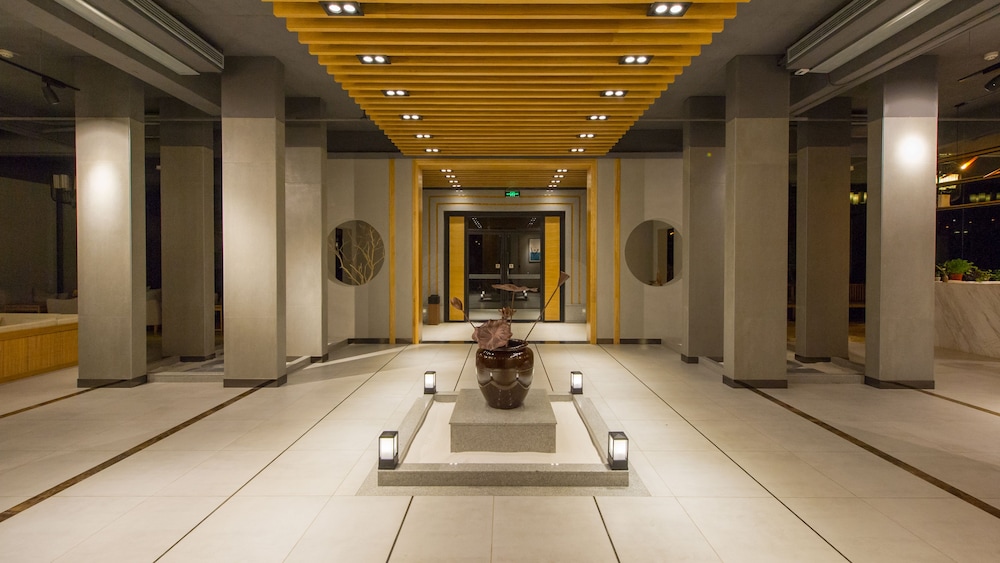
Yangshuo Zen Garden Resort - Yulong River
Jiwodu Village No.122
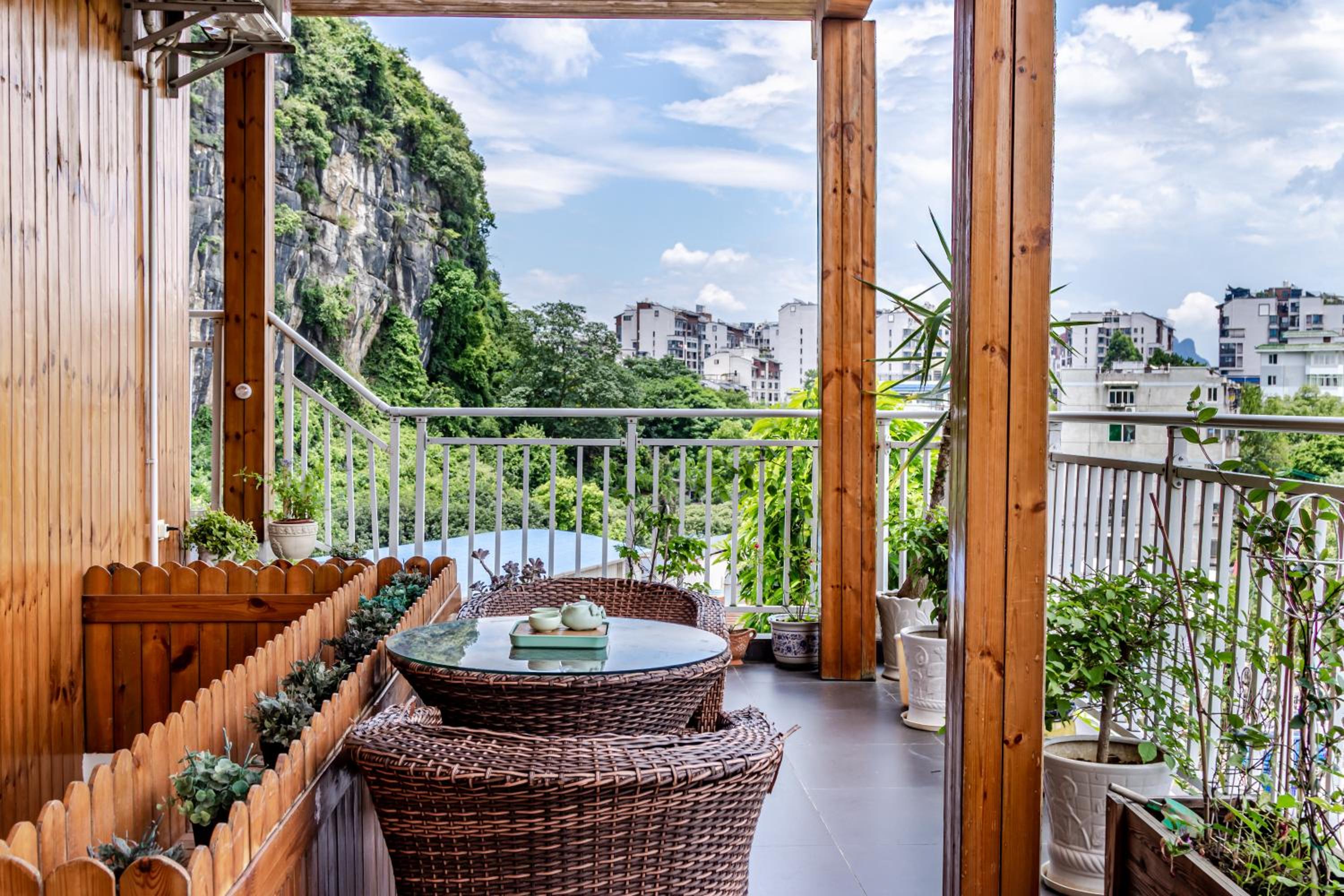
Junshe Boutique Guest House-Complementary pick up servie for a 3-night stay in a deluxe room
No.19, West Chaoyang Road
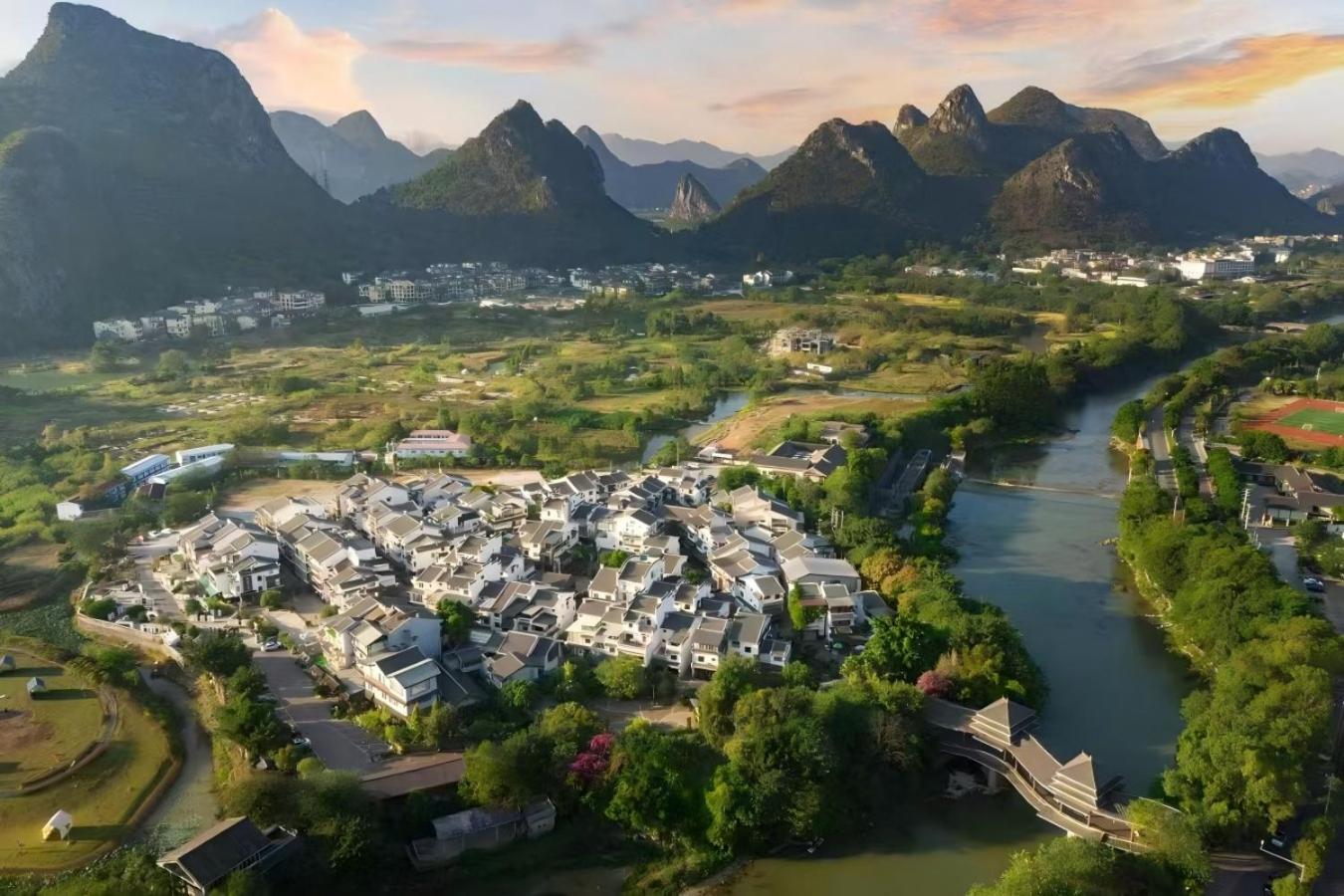
Guilin Qingshanshe Hotel -Free pick up train station stay two nights
No. 30, Lujia Village, Kashan Township, Xiufeng District, Guilin,
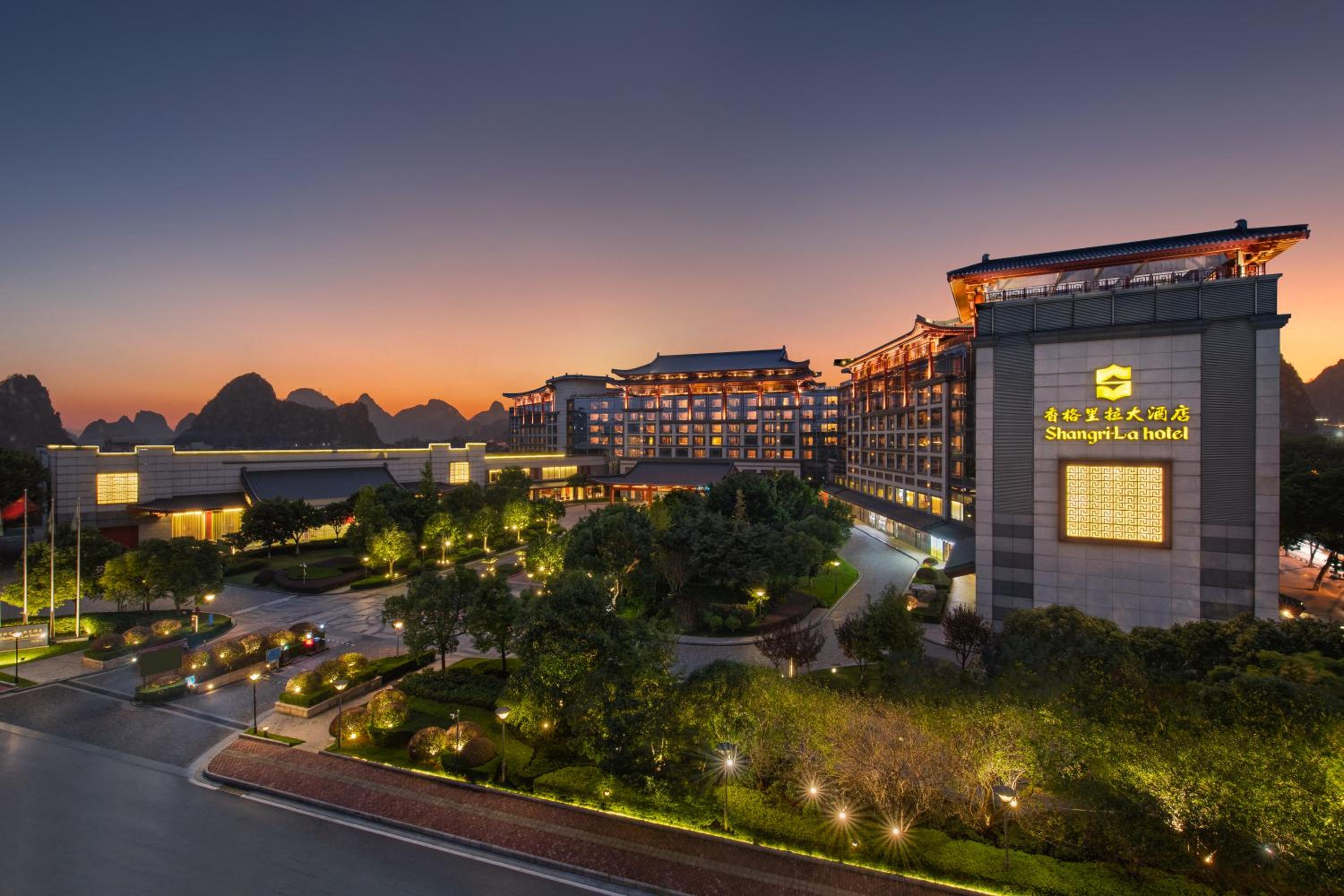
Shangri-La Guilin
111 Huan Cheng Bei Er Lu
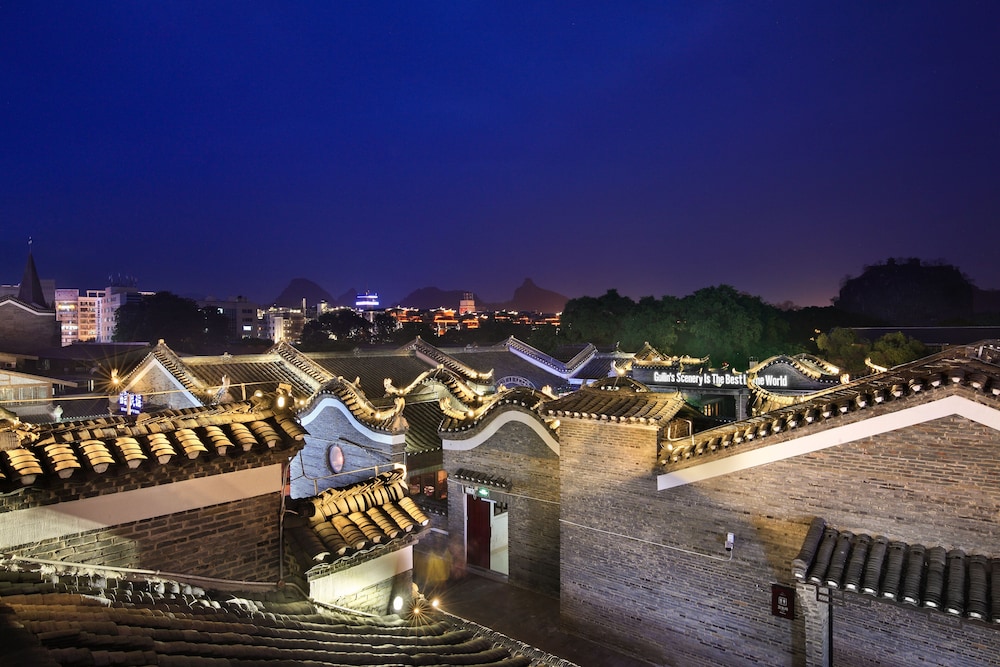
Guilin Qingsanshe Art Inn
4th FL, Blck D, Historical&Cultural Area
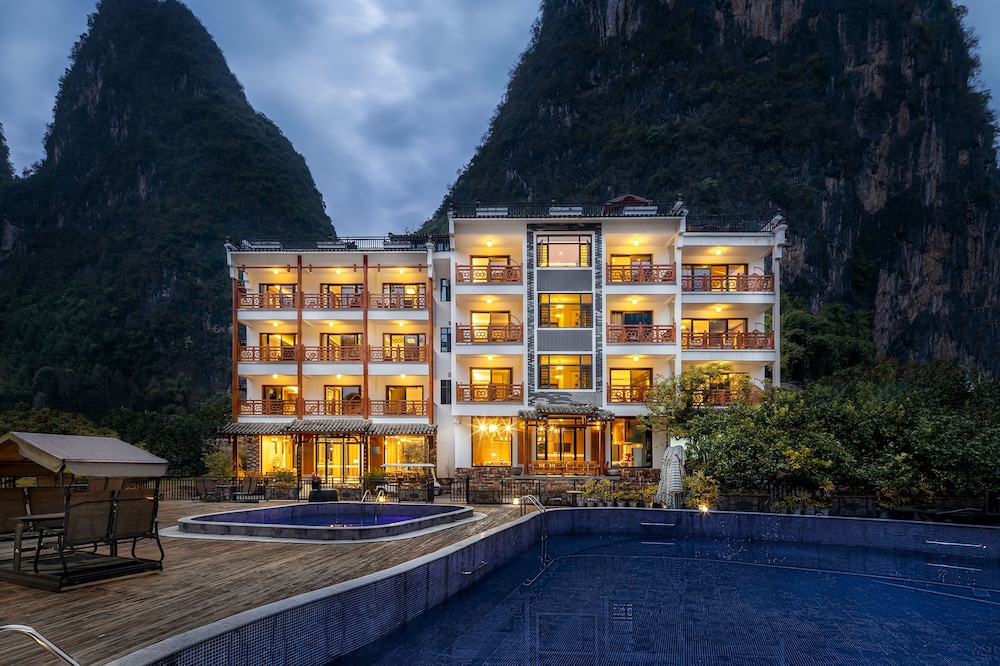
Yangshuo Mountain River Ballad Hotel
No. 14, Liandaowan Village, Xingping
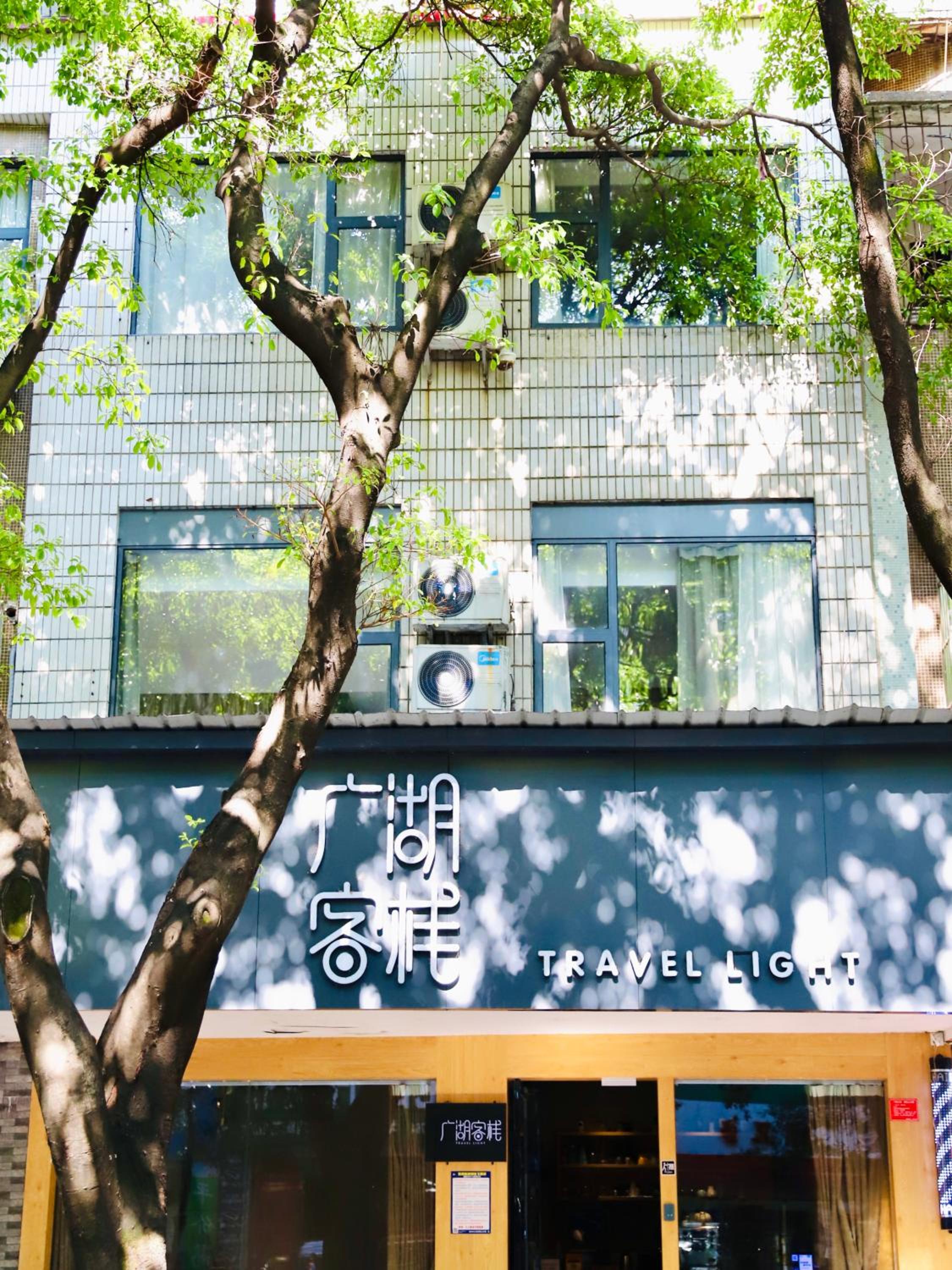
Guilin Travel light Hostel
10 Yinding Road
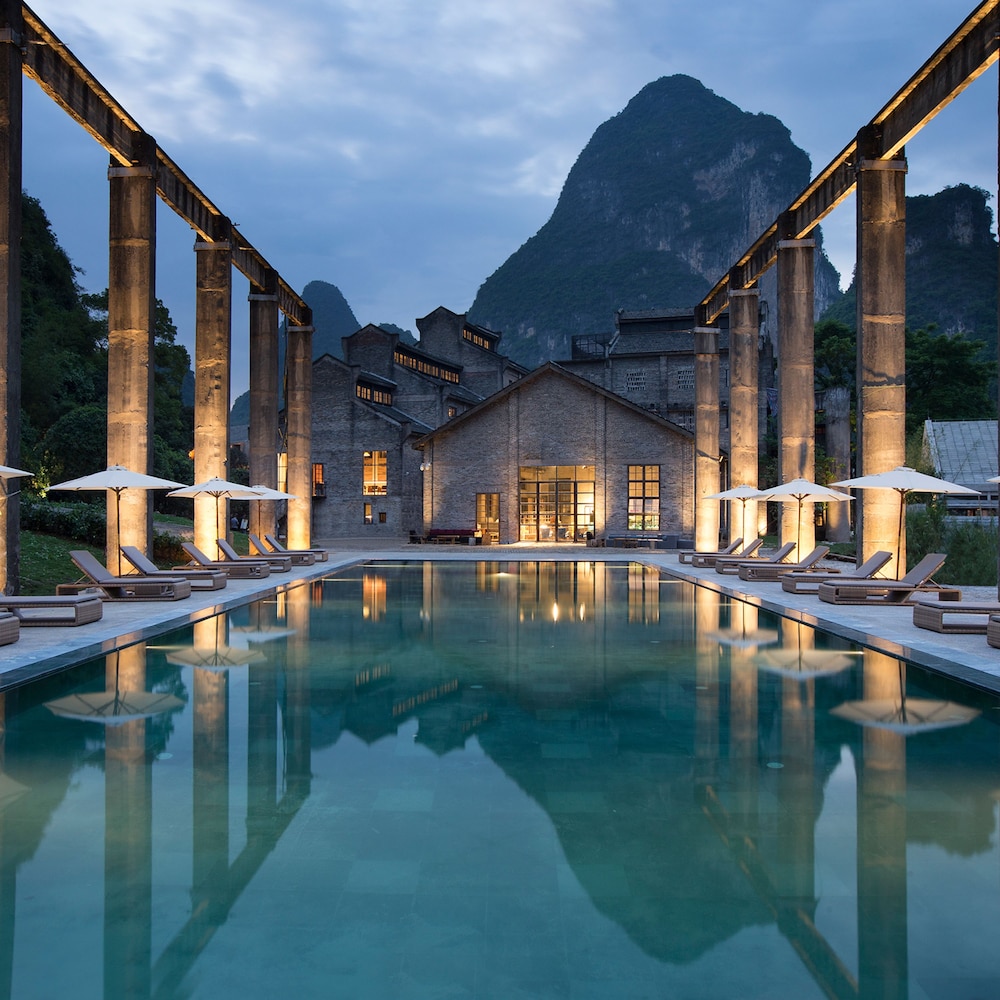
Yangshuo SugarHouse
102 Dongling Road
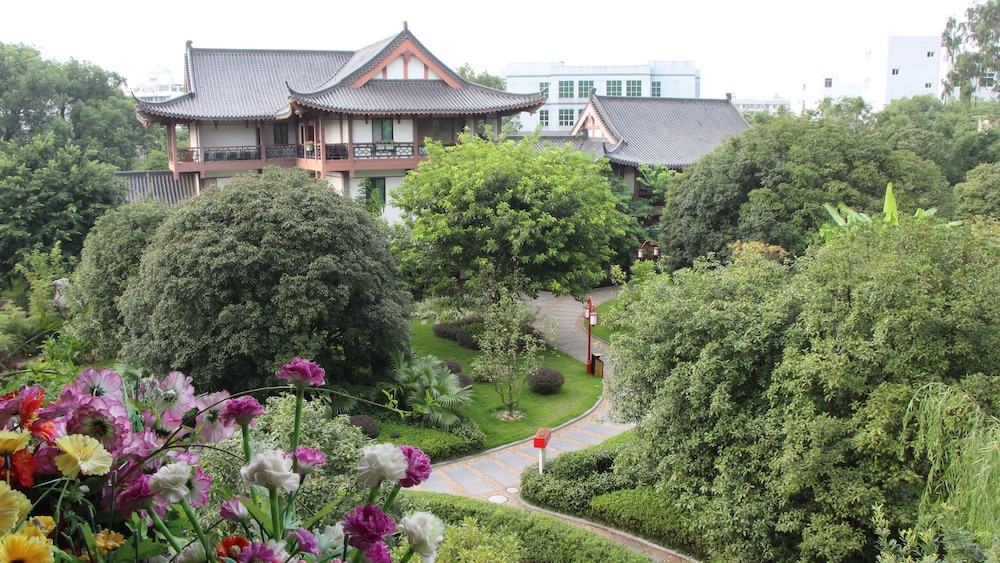
Guilinyi Royal Palace
No.117 West Ring Road
Looking for More Options?
Browse thousands of hotels in Guilin, China with real-time pricing and availability
Browse All HotelsPowered by our hotel partners
Recommended Restaurants
Repulse Bay Cafe & Bar
0View on MapsNortheast of China Dumpling
0View on MapsNortheast Dumpling House
0View on MapsWeijiadu
0View on MapsNortheast Dumpling House
0View on Maps潮州砂锅粥
0View on Maps
Quanzhou Cuxueya
0View on MapsTraditional Guilin Rice Noodles
0View on MapsChaozhou Porridge In Casserole
0View on MapsChaozhou Porridge in Casserole
0View on MapsMcDonald's
0View on Maps
Eva Inn Mix Kitchen
0View on Maps


Interesting Facts
The landscape of Guilin is so iconic that a specific view of the Li River and its karst peaks is immortalized on the reverse side of the 20 Yuan Chinese banknote.
Guilin's ancient Lingqu Canal, built in 214 BC during the Qin Dynasty, is one of the oldest contour canals in the world, connecting the Xiang and Li rivers (part of the Yangtze and Pearl River systems) and crucial for China's unification.
The Sun Pagoda in Guilin's Shanhu Lake is recognized as the world's tallest bronze pagoda, soaring 41 meters high, and is uniquely connected to its twin Moon Pagoda by an underwater glass tunnel.
Guilin is officially nicknamed 'Forest of Sweet Osmanthus,' due to the overwhelming presence of osmanthus trees, whose intense, sweet fragrance permeates the city air every autumn.
For centuries, the local fishermen on the Li River practiced cormorant fishing, a unique tradition where trained birds dive and catch fish for their masters, a sight still demonstrated today.
Reed Flute Cave, often called the 'Palace of Natural Arts,' is a spectacular limestone karst cave illuminated by vibrant multi-colored lights, enhancing its ancient stalactites, stalagmites, and rock formations into breathtaking displays.
Beyond its natural beauty, Guilin has profoundly influenced classical Chinese art and literature, inspiring countless poets like Han Yu and painters for over a millennium, making it a timeless muse for cultural expression.
Guilin is so proud of its signature dish that it houses the Guilin Rice Noodle Museum, an entire institution dedicated to exploring the history, ingredients, and preparation of this beloved local staple.