
Granada, Spain
Overview
Granada, Spain: Lose yourself in the captivating Alhambra palace, a breathtaking example of Moorish architecture. Explore the vibrant Albaicín neighborhood with its narrow streets and stunning views, and experience the passionate culture of flamenco.
Best Time to Travel
Best Months
Spring and Fall
Pleasant weather conditions
Months to Avoid
Check local weather patterns
Consider visiting during other months
Peak Season
Summer months
Expect larger crowds and higher prices
Top Things to Do

Restaurante Mirador de Morayma

Parque de las Ciencias

Royal Chapel of Granada

Monasterio de San Jerónimo, Granada

Catedral de Granada

Monasterio de Nuestra Señora de la Asunción "La Cartuja"

Patio de Los Leones

Palace of Charles V

Museo Casa de los Tiros

Huerta de San Vicente

Ermita de San Sebastián

Dehesas de Santa Fe

Museo Cuevas del Sacromonte. Centro de Interpretación del Valle del Darro.

Convento de Santa Catalina de Zafra (Dominicas)

Basílica de San Juan de Dios

Parish of Ss. Justus and Pastor

Hospital Real, Granada

The Royal Convent of Saint Isabel

Santuario de Ntra. Sra. del Perpetuo Socorro Granada

Iglesia De Santiago

Los Ángeles Hotel & Spa

Hospes Palacio de los Patos

Hotel Alhambra Palace

Senator Granada Spa Hotel

Hotel Porcel Sabica

Belladama Restaurante-café

El Cercado Turismo Rural & SPA
Recommended Hotels
Search All Hotels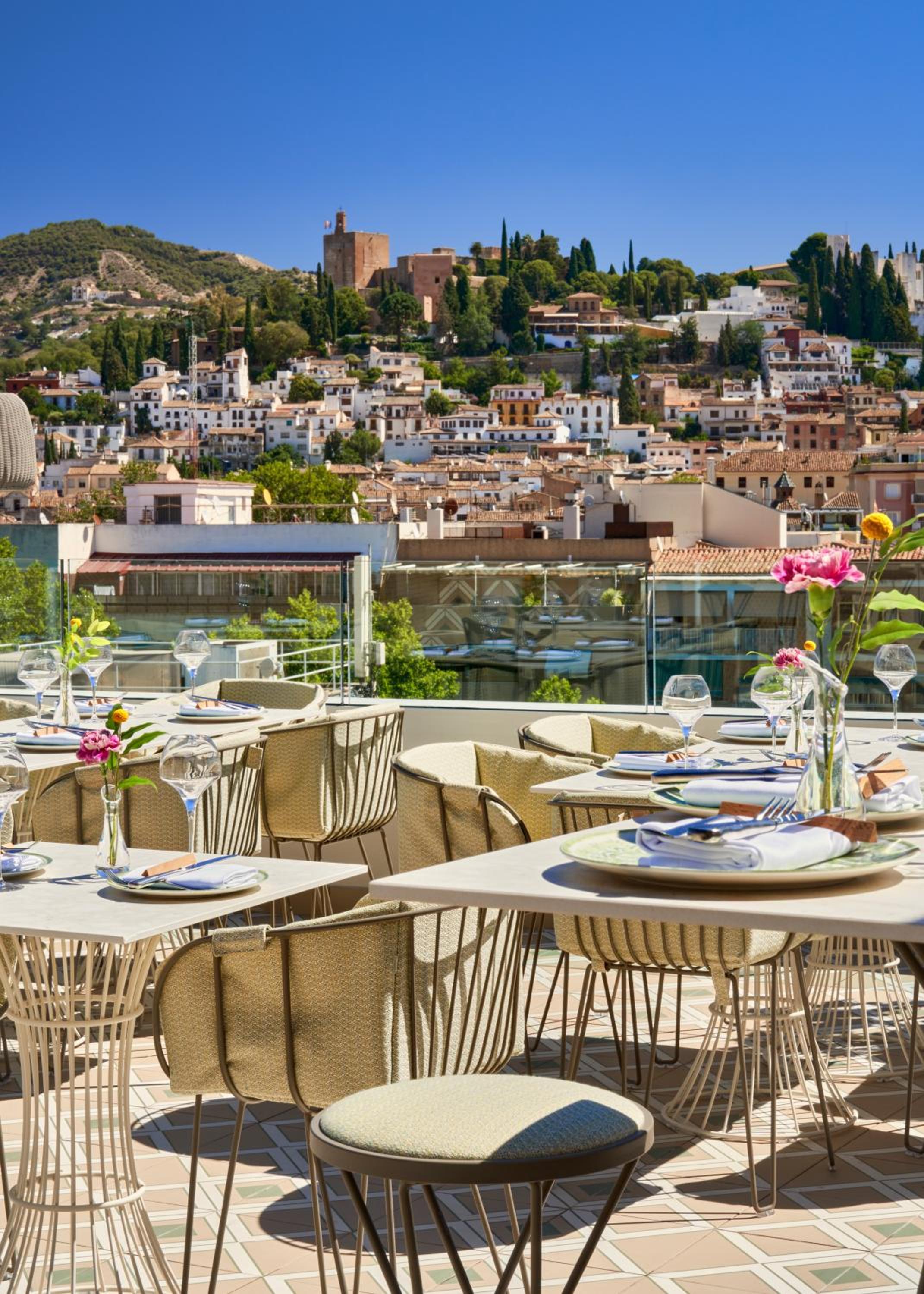
Barceló Carmen Granada
Acera del Darro, 62
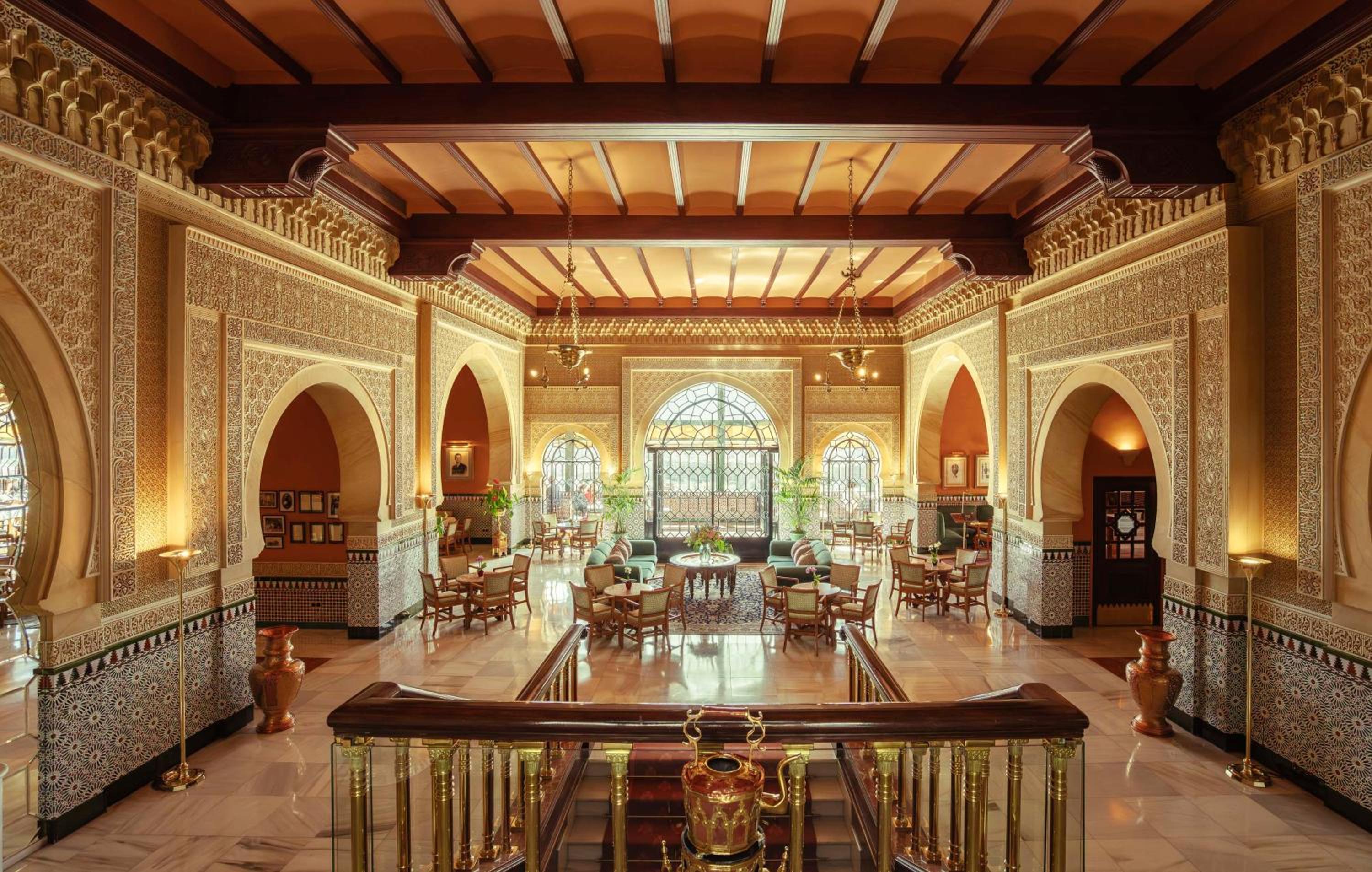
Alhambra Palace Hotel
Arquitecto Garcia De Paredes 1
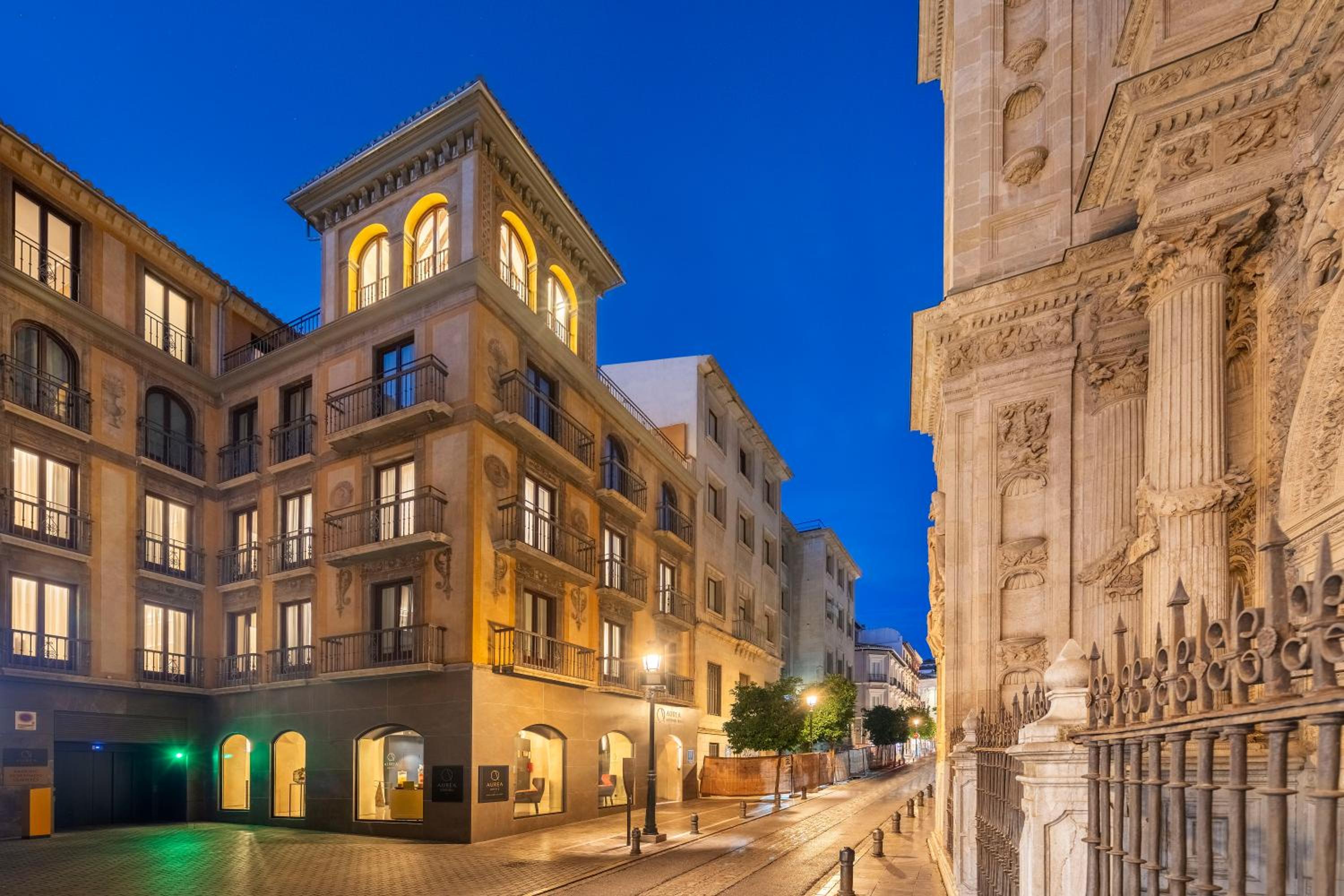
Áurea Catedral by Eurostars Hotel Company
Calle Carcel Baja 11-13
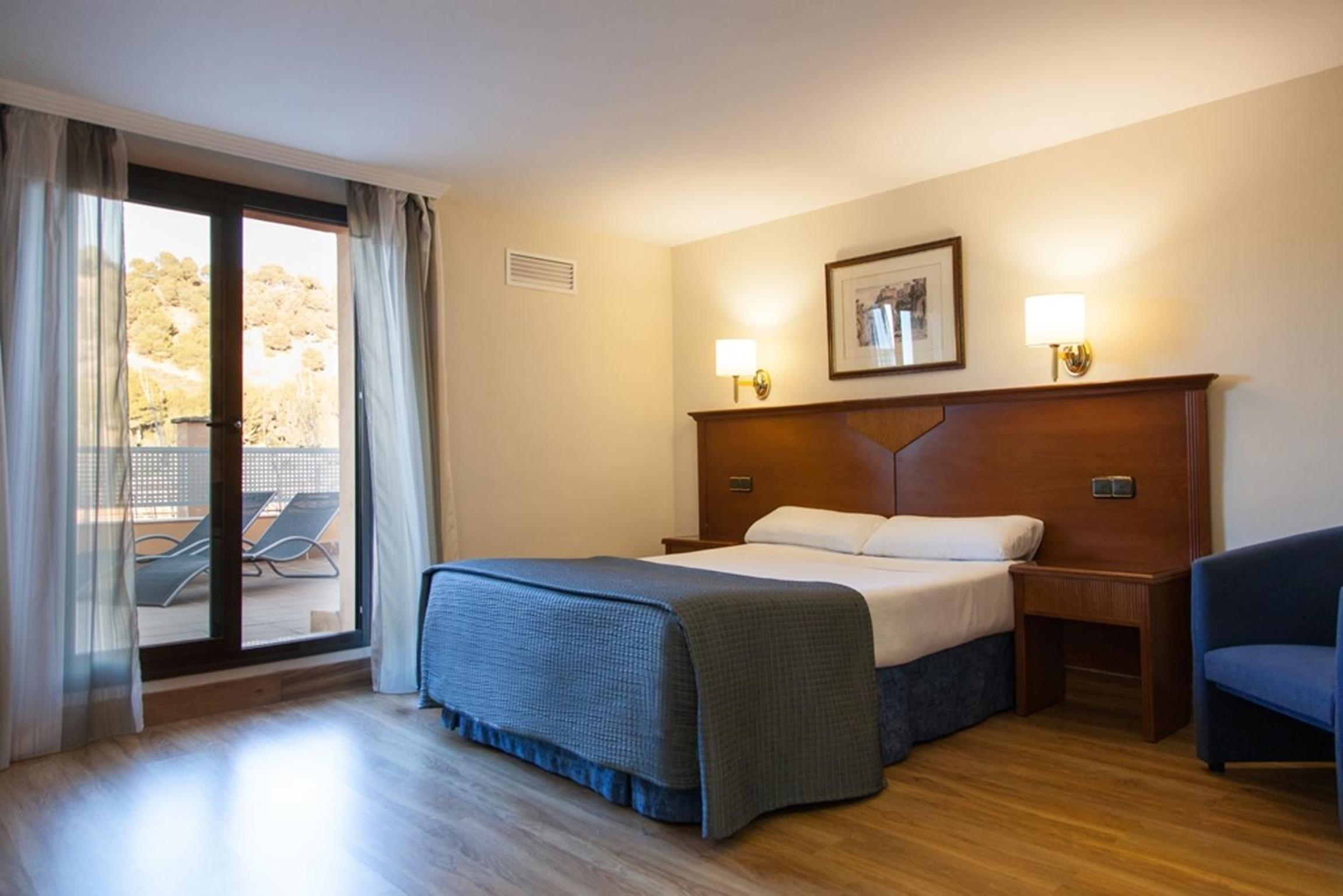
Porcel Alixares
Paseo de la Sabica 40

Hotel Andalucía Center
Avenida de América, 3
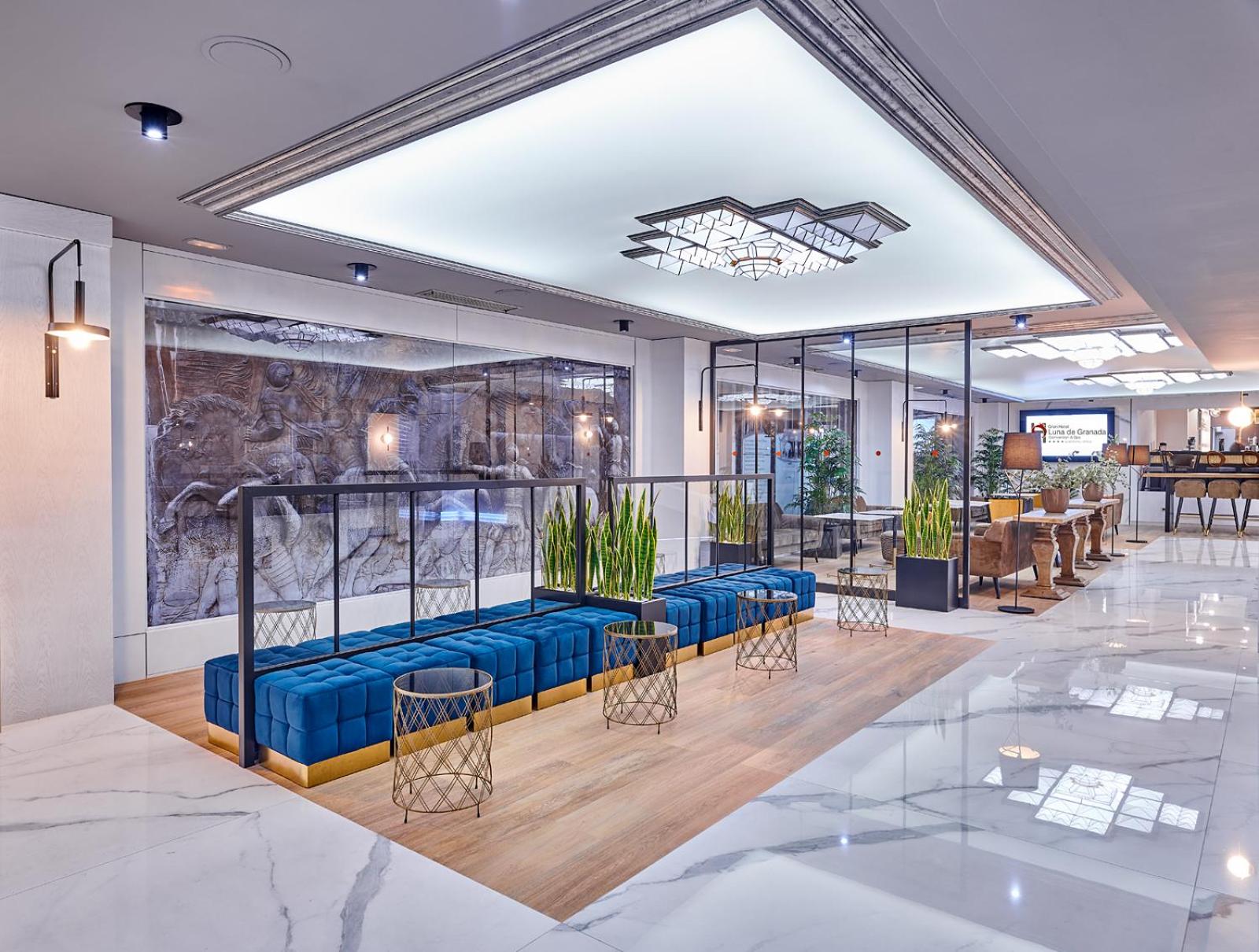
Gran Hotel Luna de Granada
Plaza Manuel Cano, 2 (Esquina Arabial)
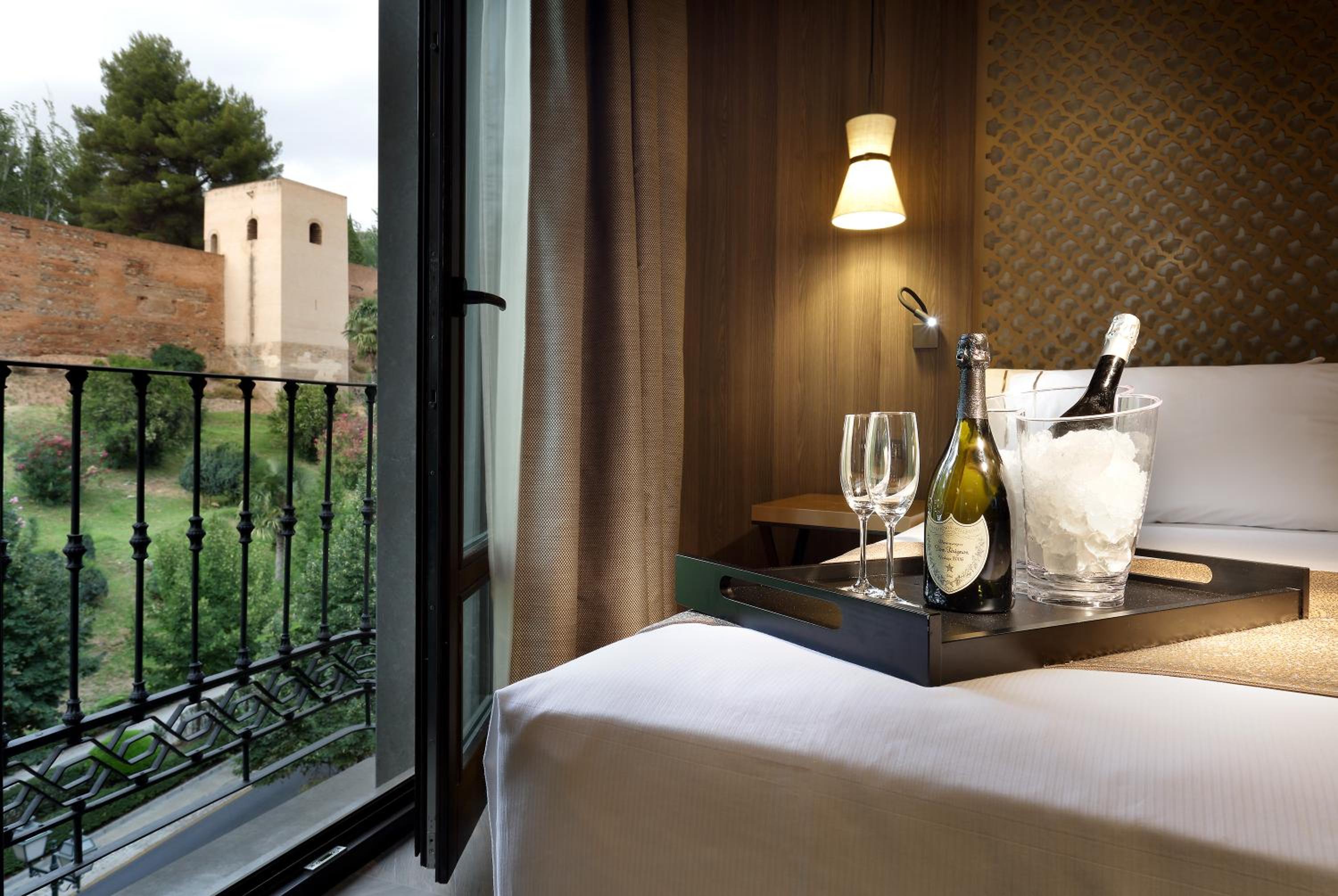
Áurea Washington Irving by Eurostars Hotel Company
Paseo del Generalife N.10
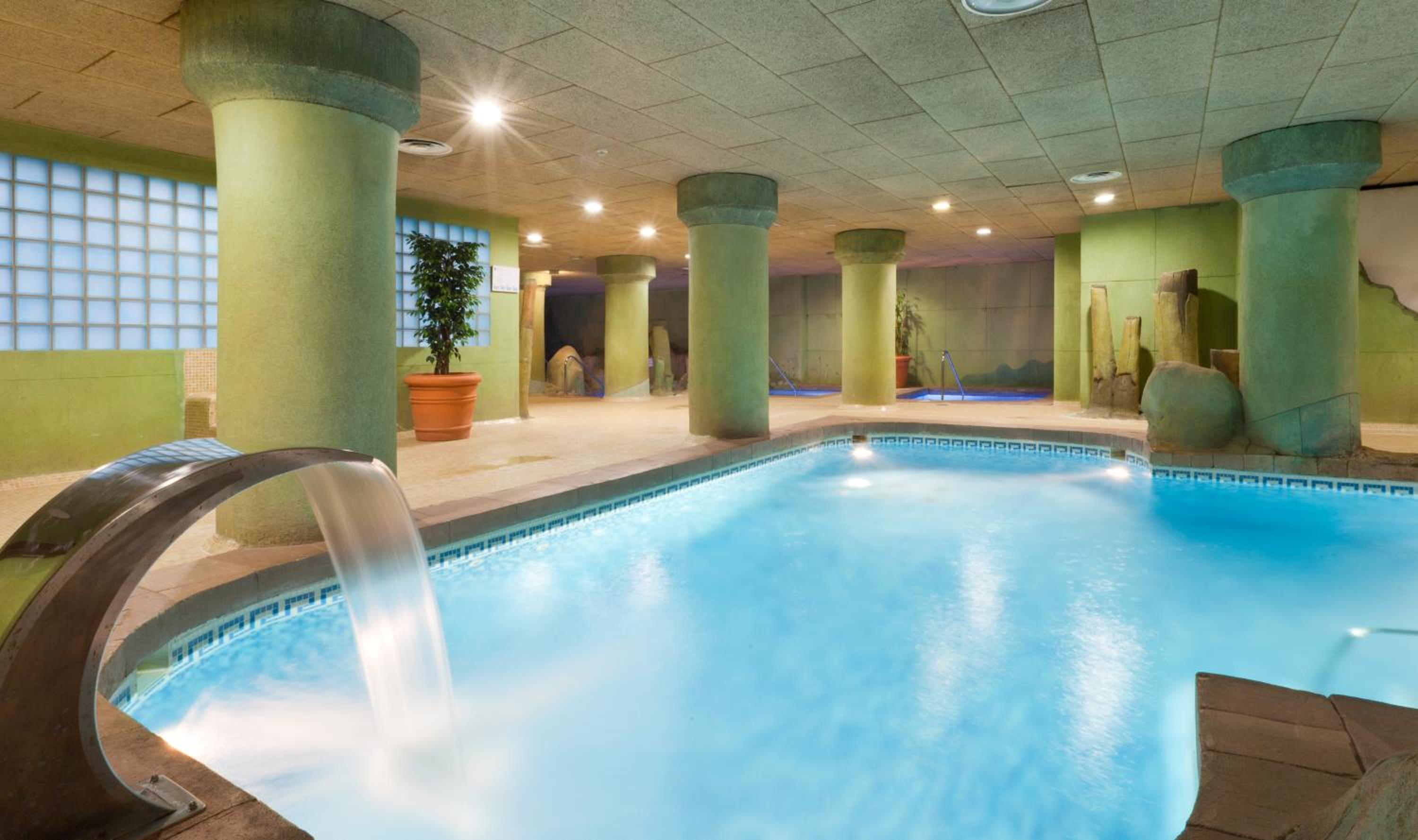
Senator Granada
Paseo del Violon s/n
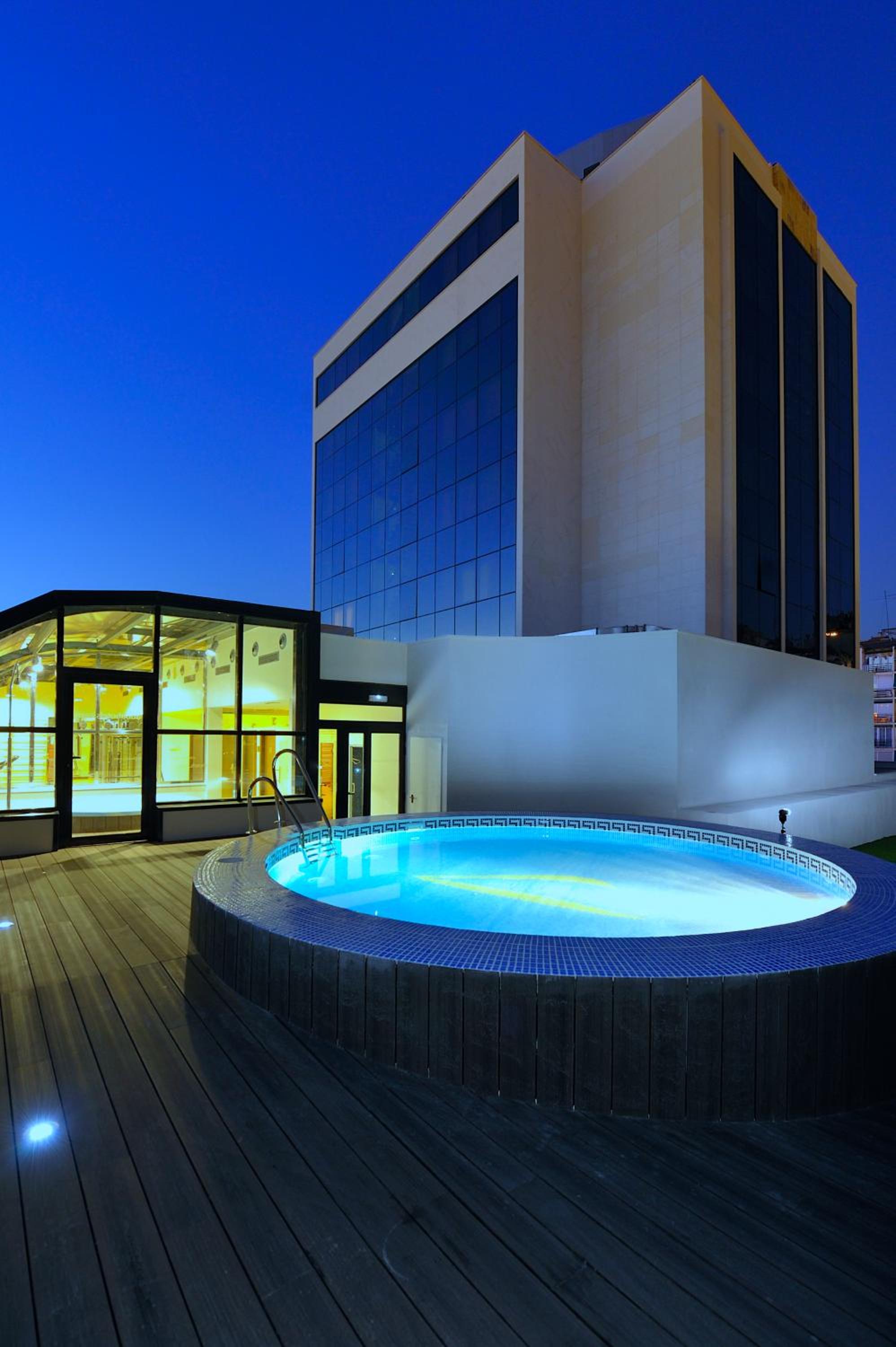
Turia Granada
Avenida Constitucion 21
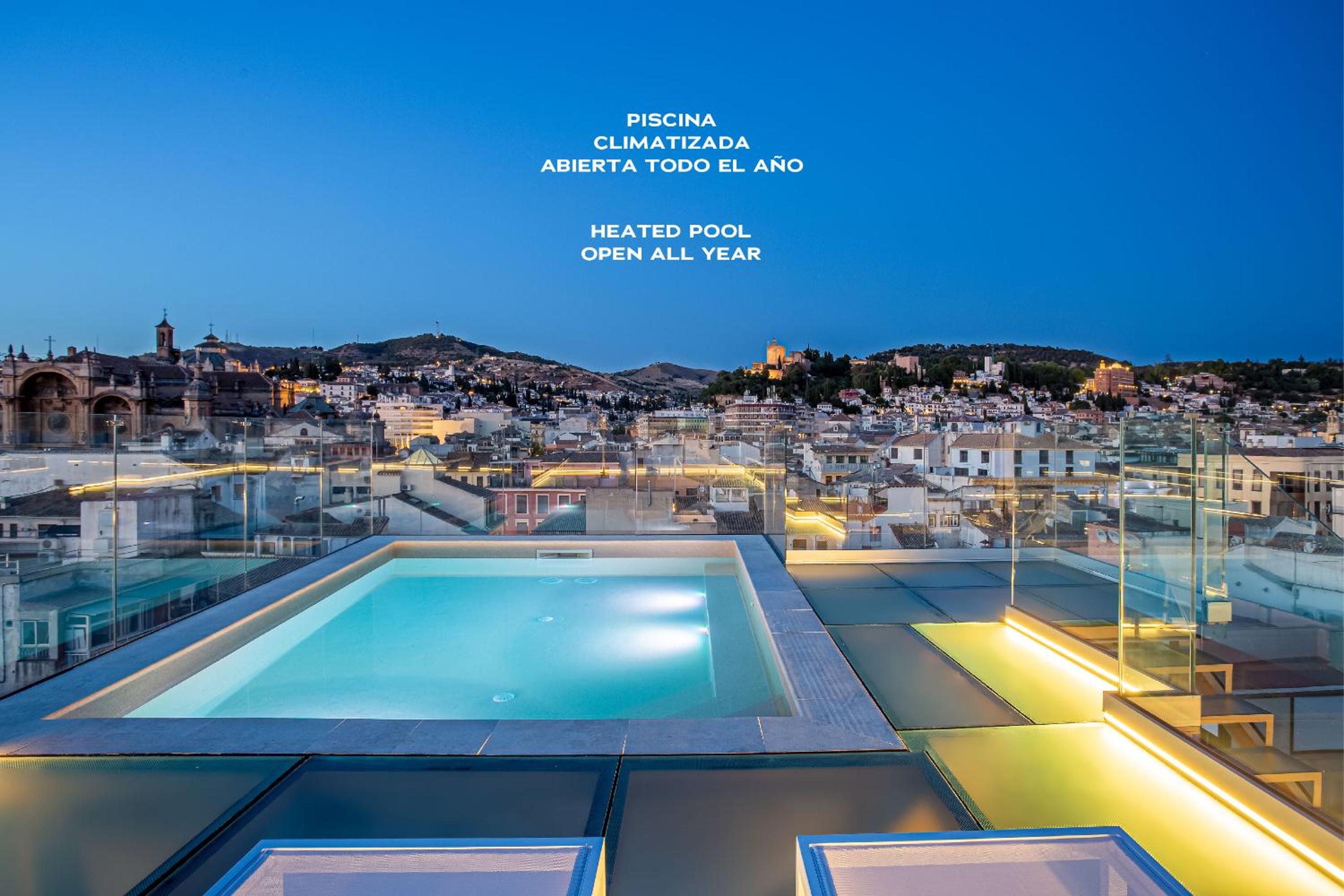
Room Mate Leo, Granada
Calle Campo Verde 1
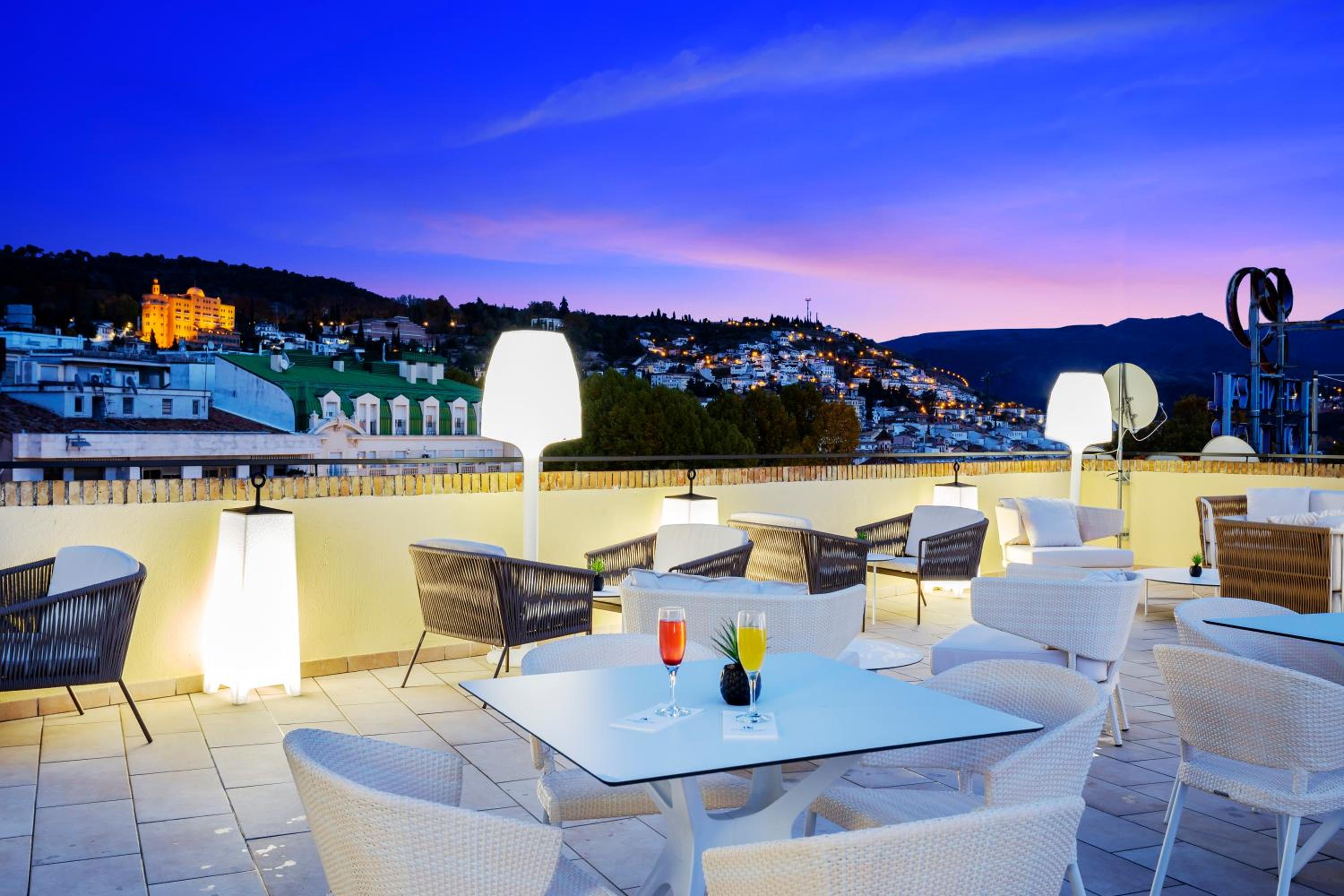
Eurostars Puerta Real
24 Acera Del Darro
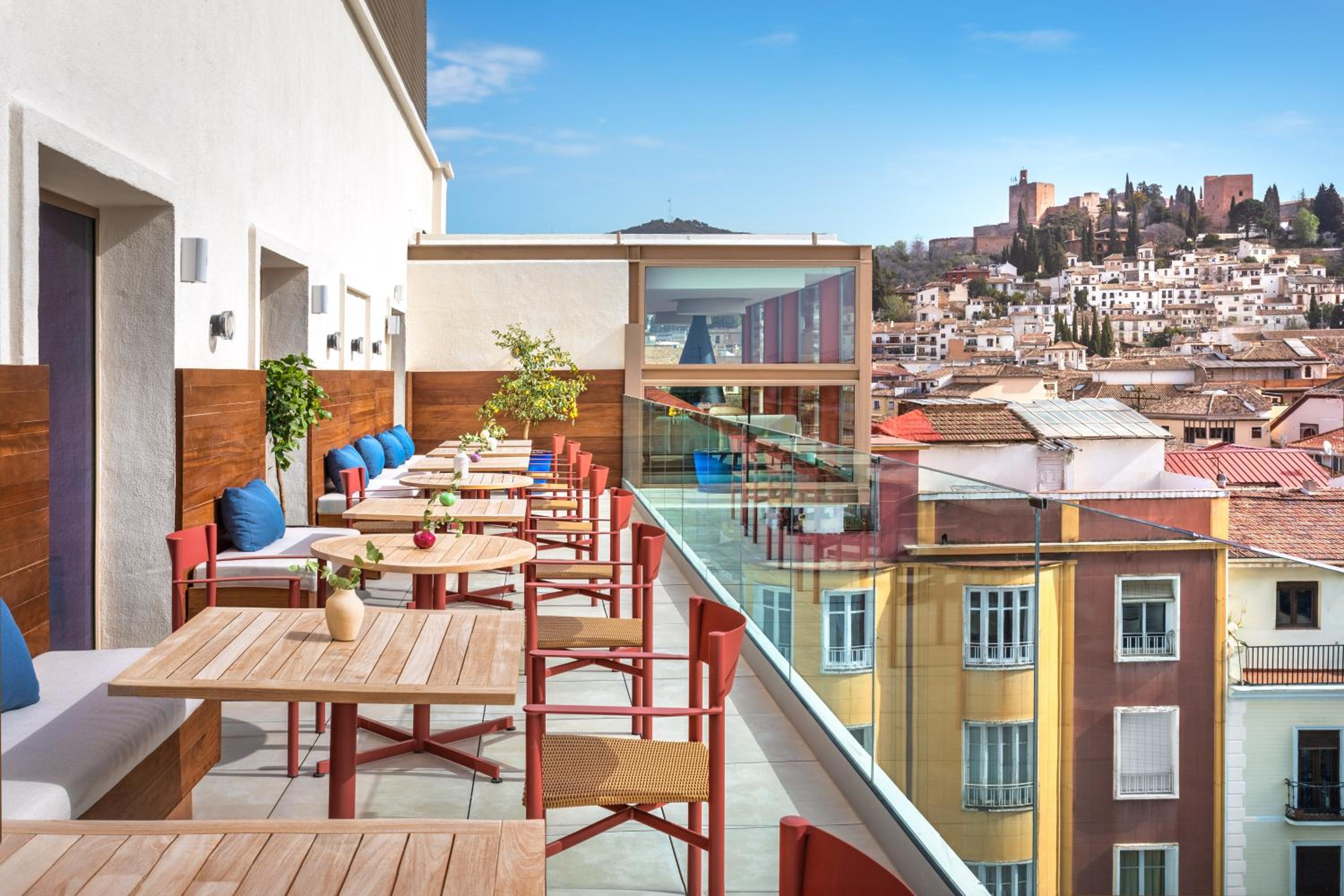
Meliá Granada
Angel Ganivet 7
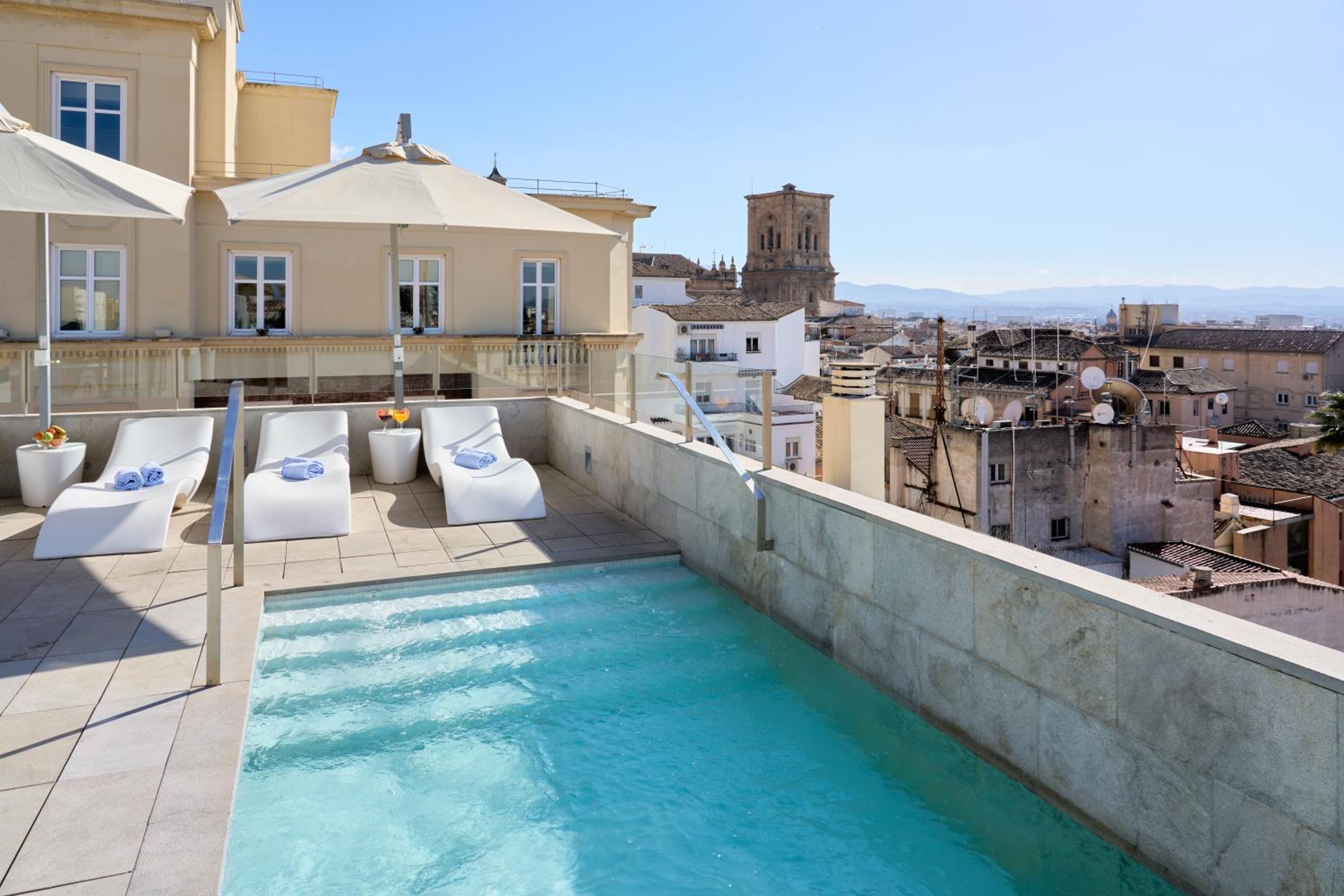
Hotel Maciá Granada Five Senses Rooms & Suites
Calle Gran Via de Colon, 25
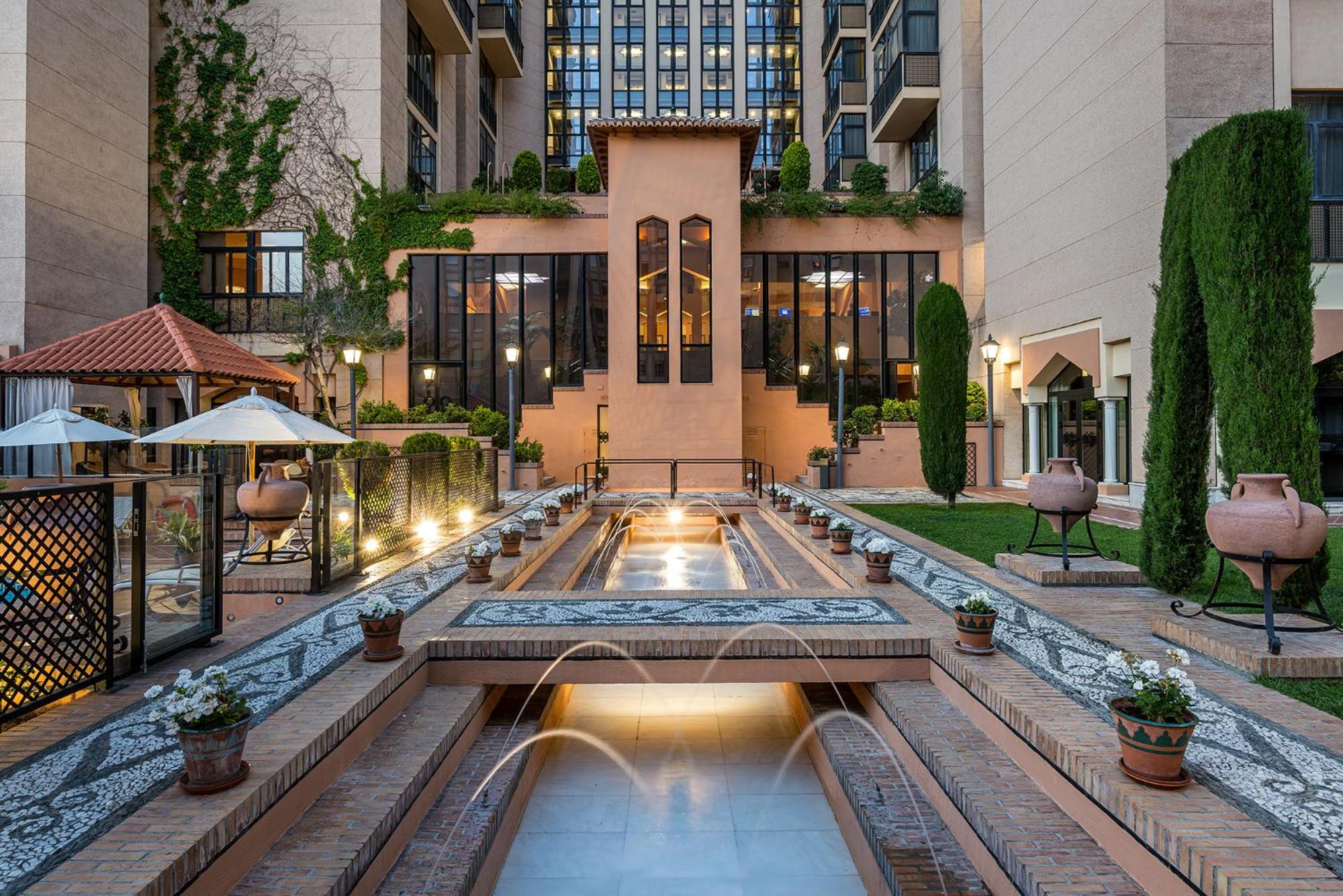
Hotel Saray
P Enrique Tierno Galvan 4
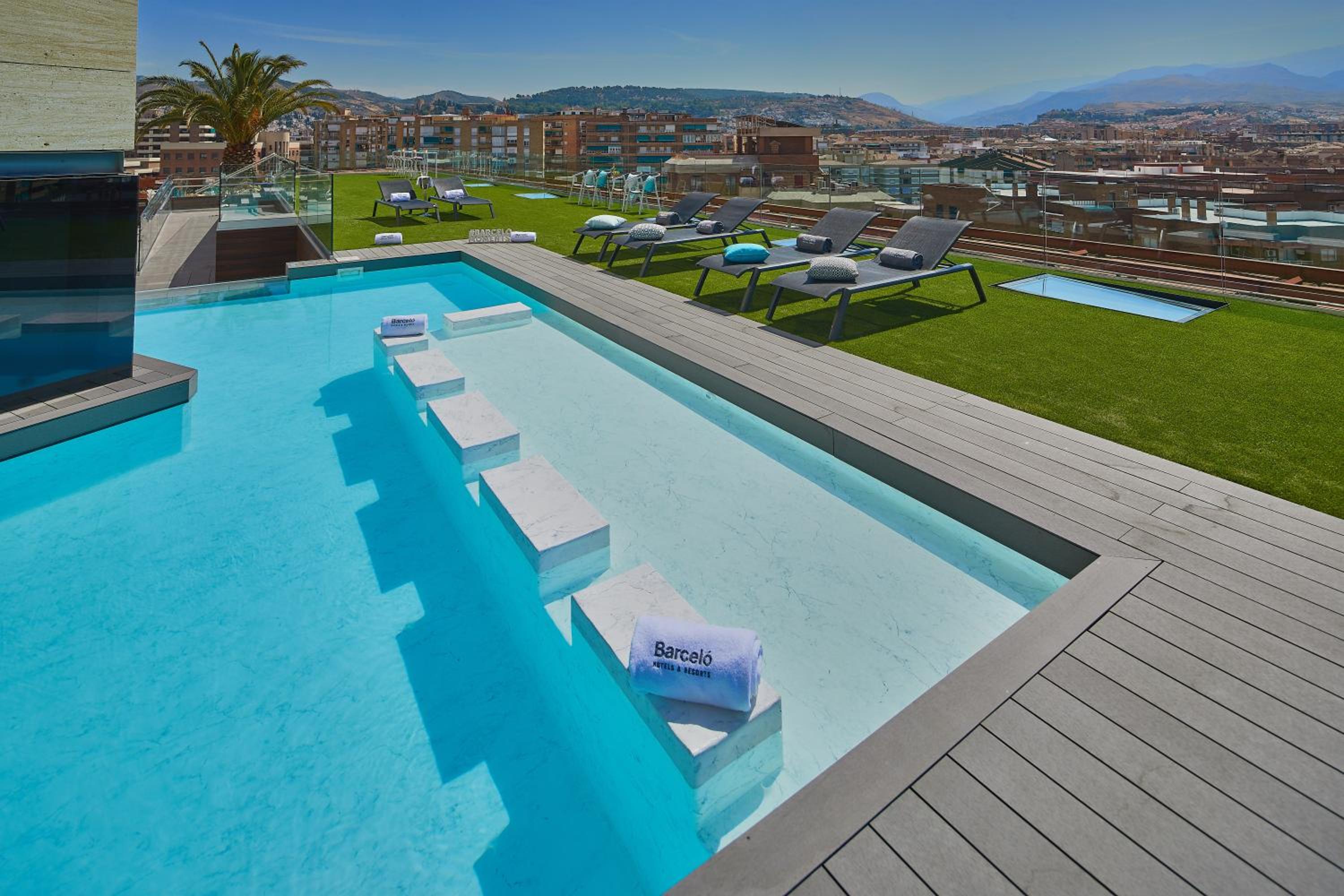
Barceló Granada Congress
Maestro Montero 12
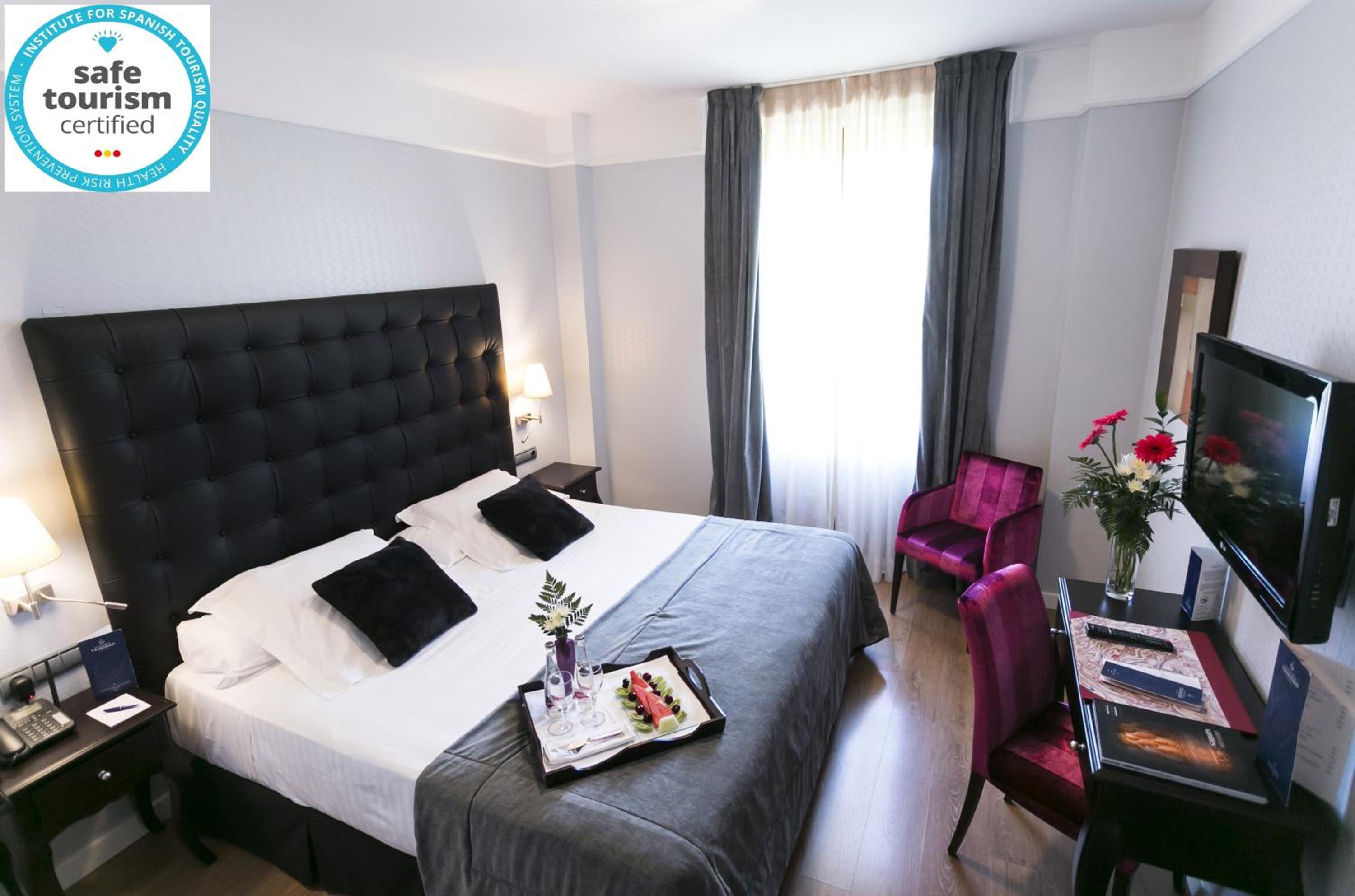
La Casa de la Trinidad
Calle Capuchinas 2
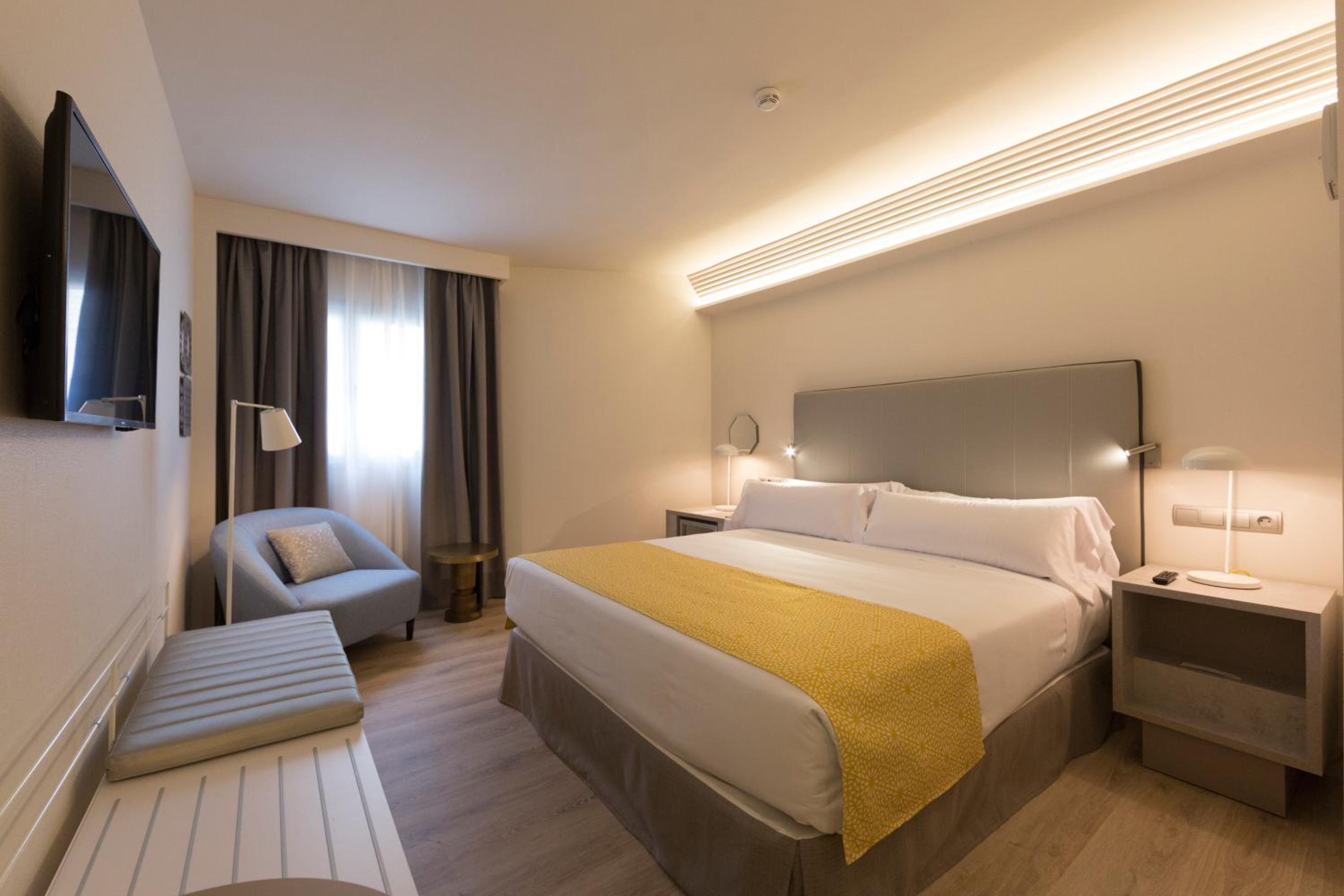
Catalonia Granada
Avenida de Madrid 10
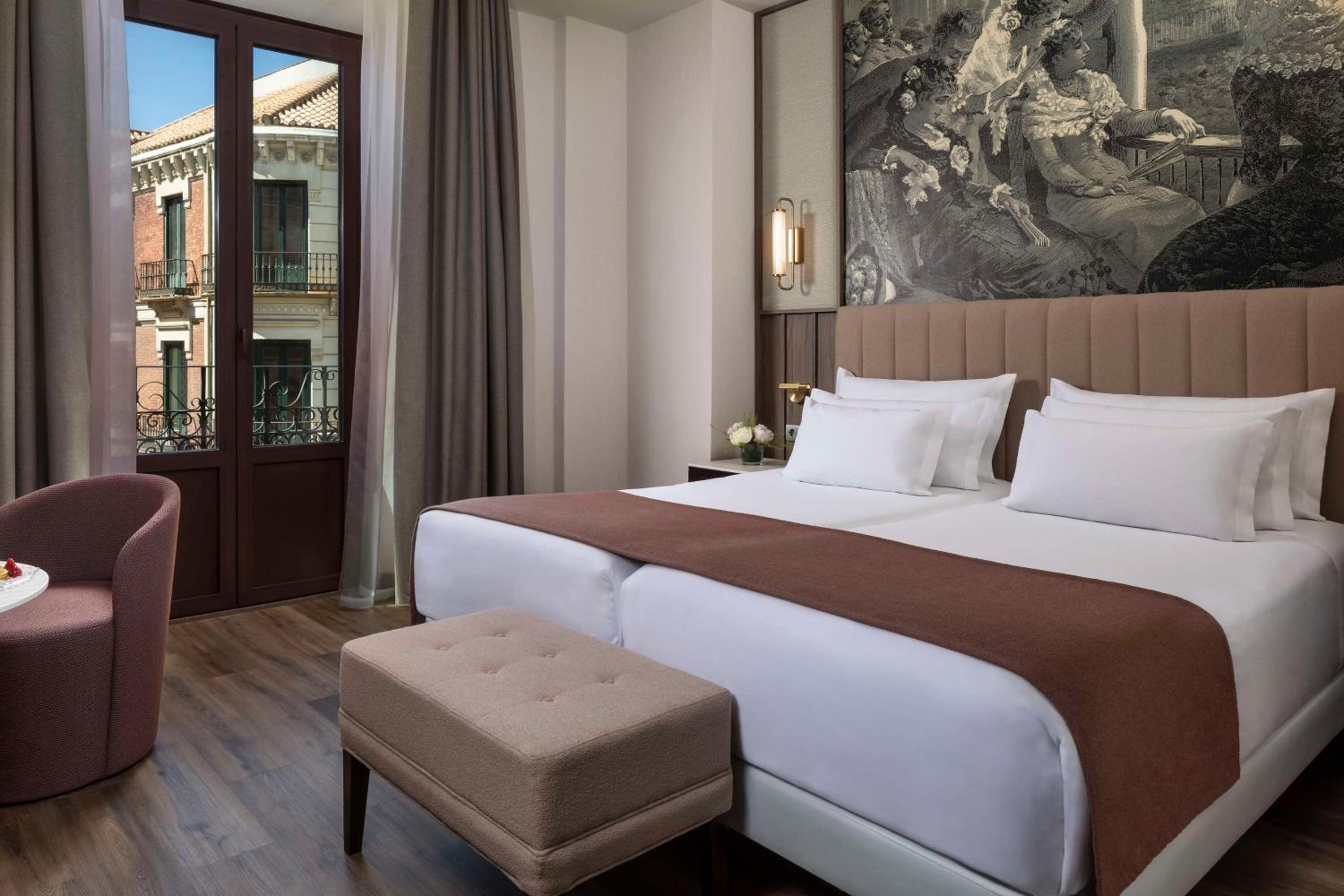
NH Collection Victoria
Puerta Real, 3
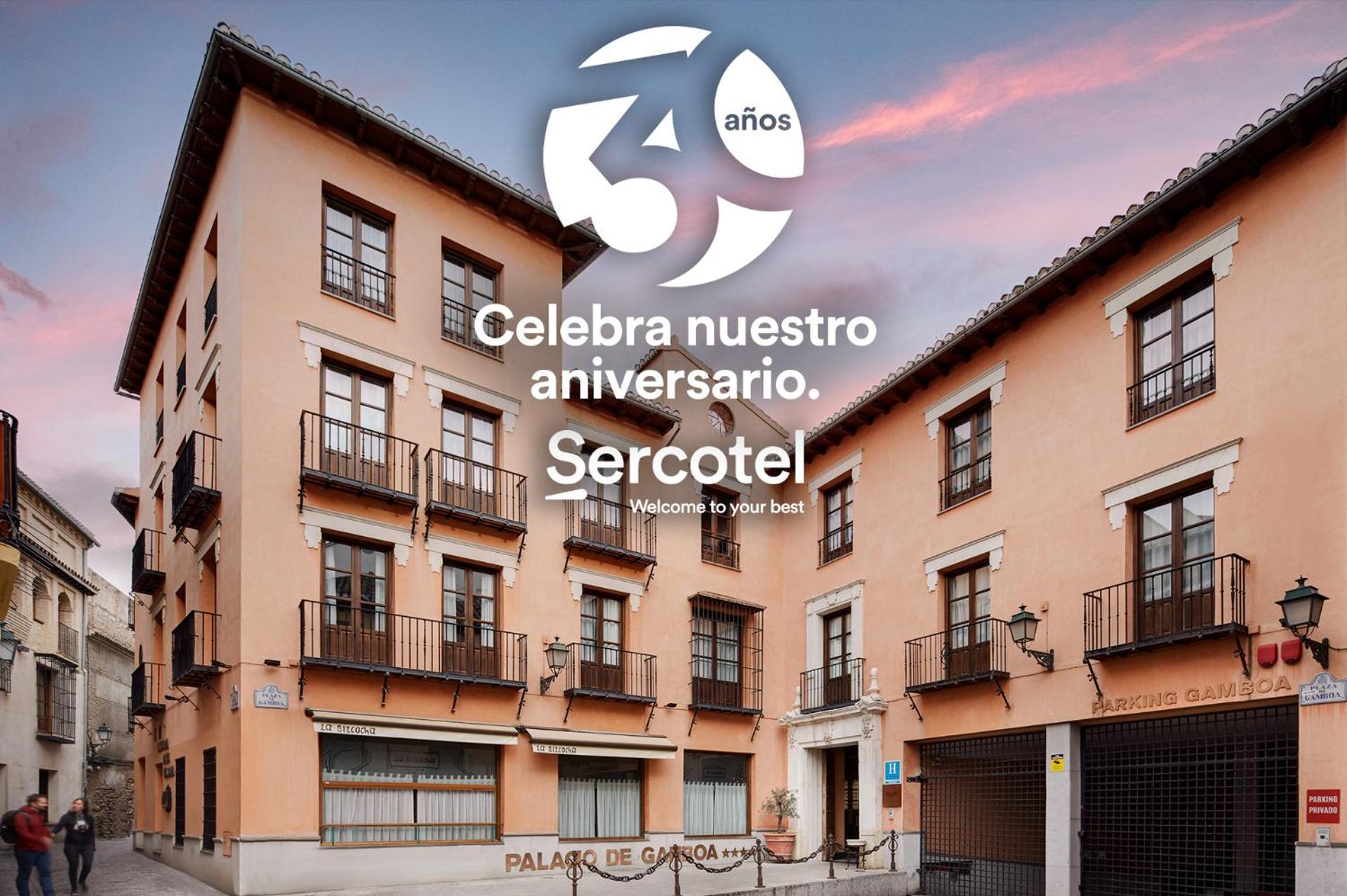
Sercotel Palacio de los Gamboa
Plaza Gamboa s/n
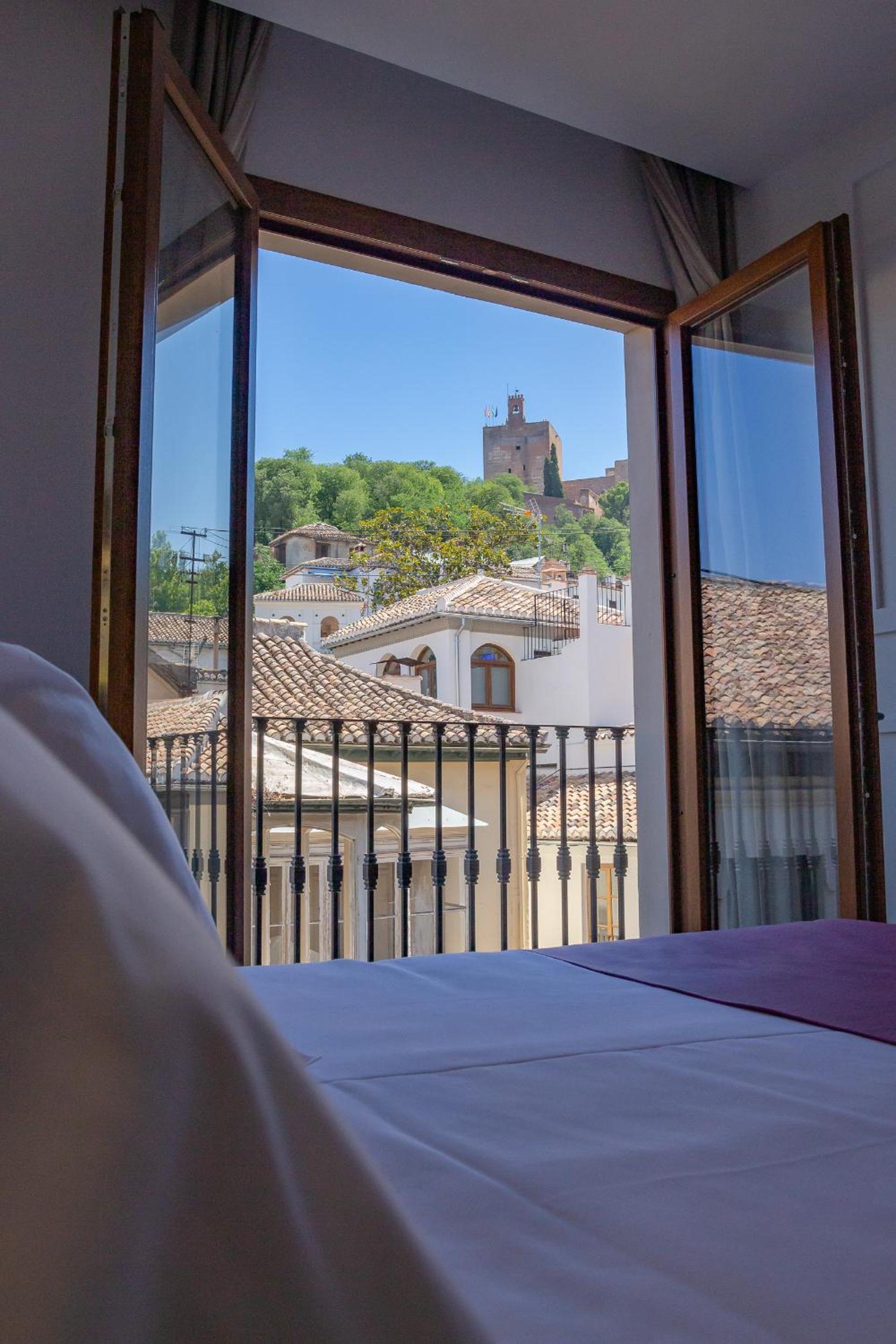
Hotel Boutique Puerta de las Granadas
Cuesta de Gomerez, nº16
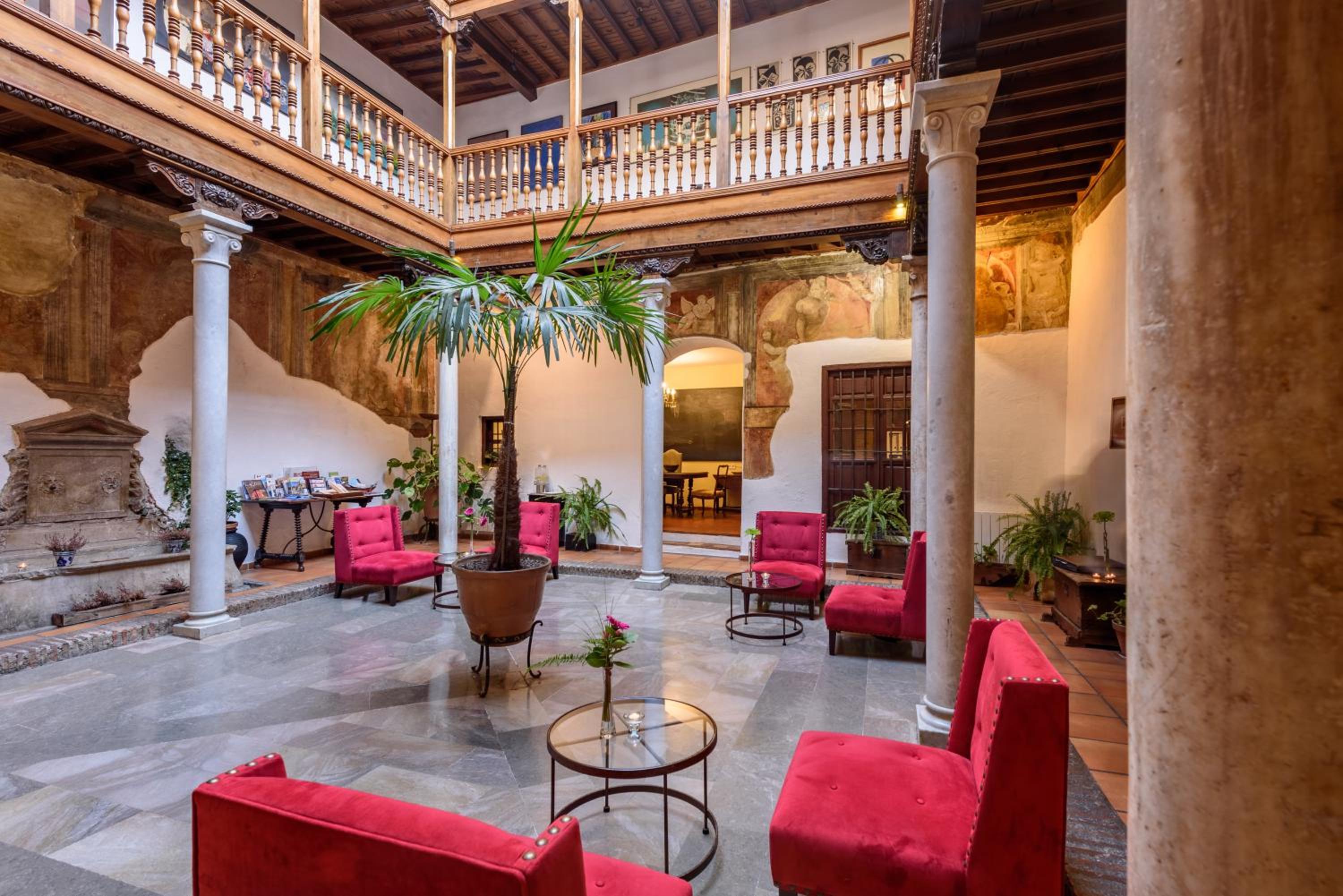
Palacio de Santa Inés
Cuesta Santa Ines 9
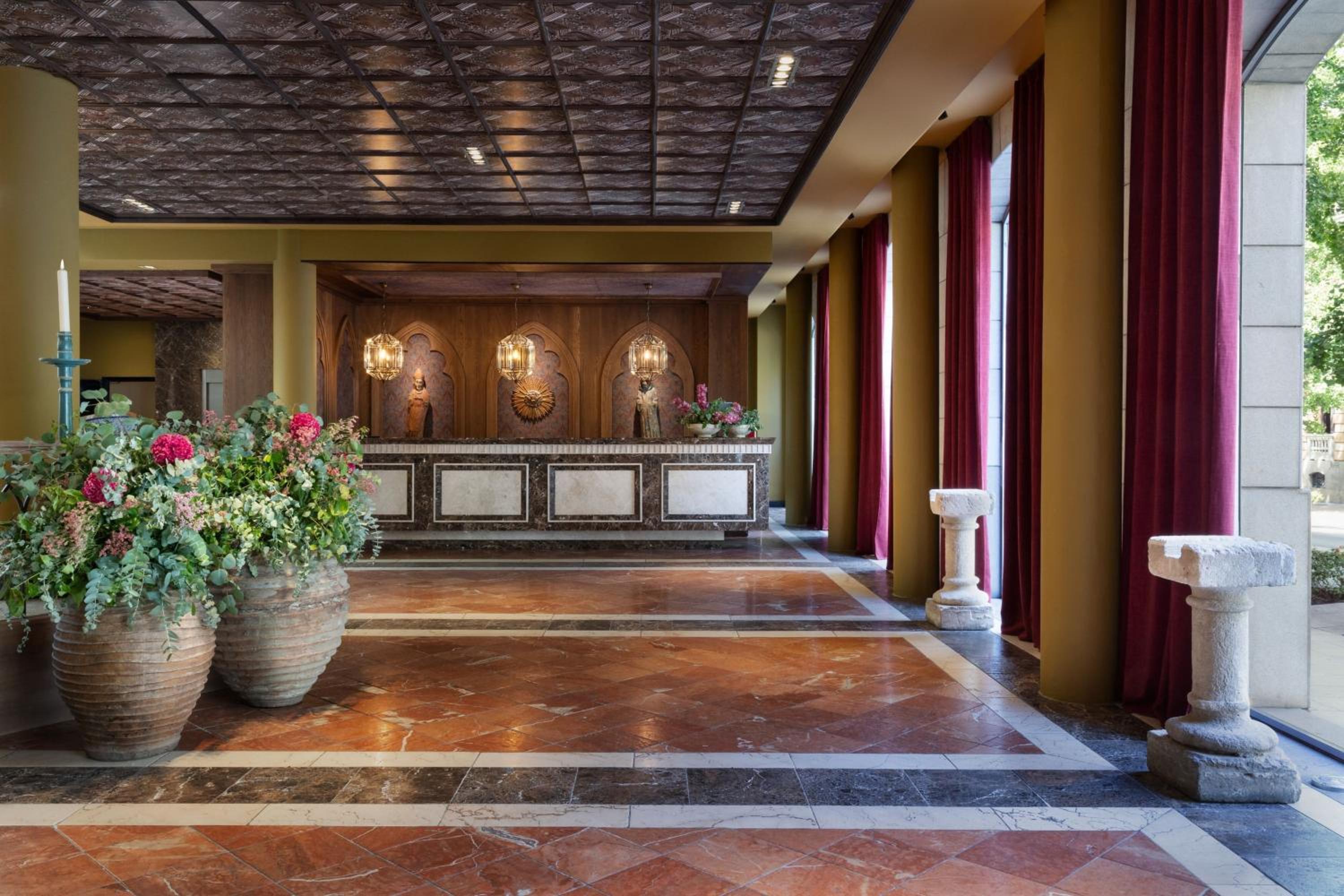
Hotel Palacio de Santa Paula, Autograph Collection
Gran Via De Colon 31
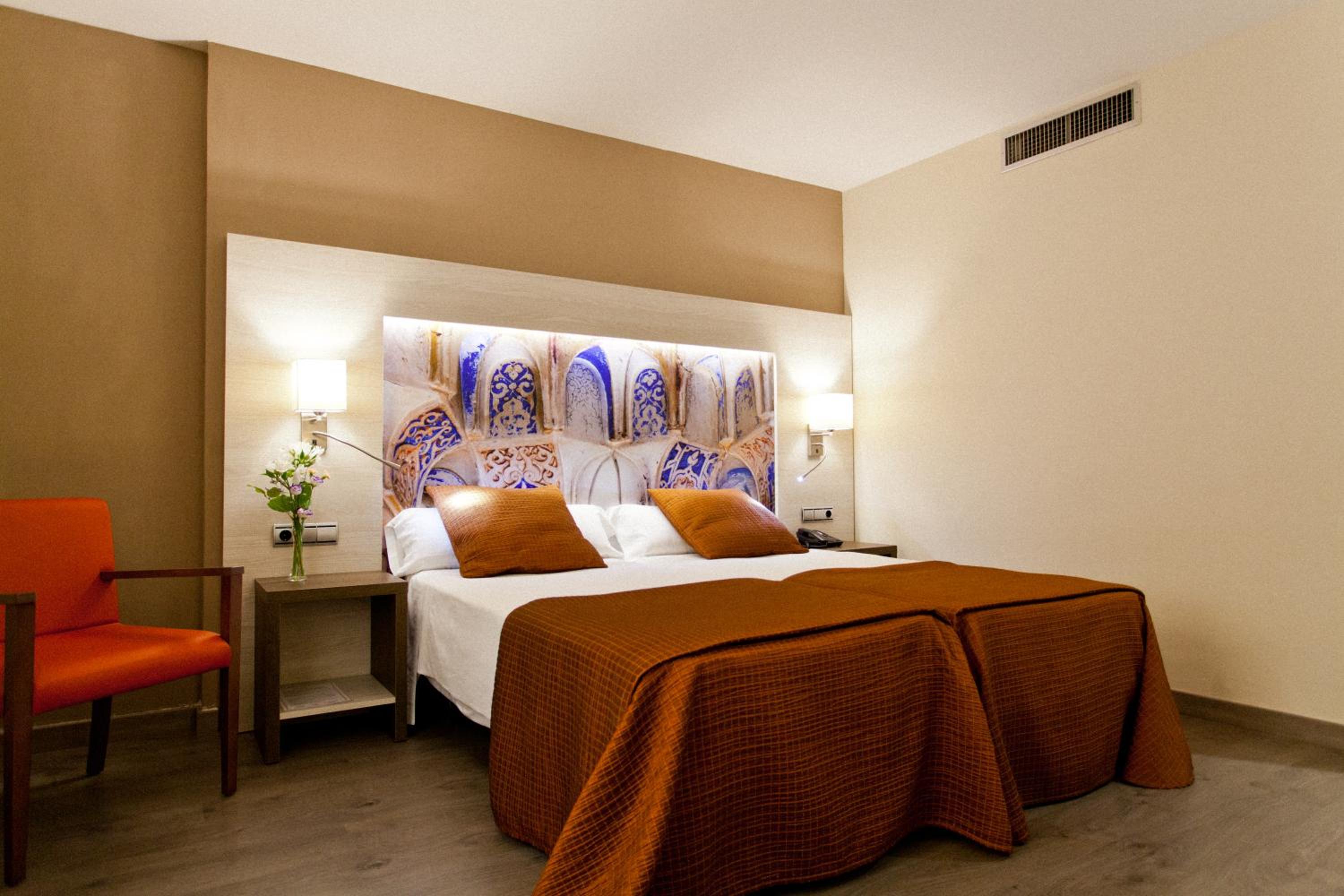
Porcel Sabica
Pedro Antonio De Alarcon 10
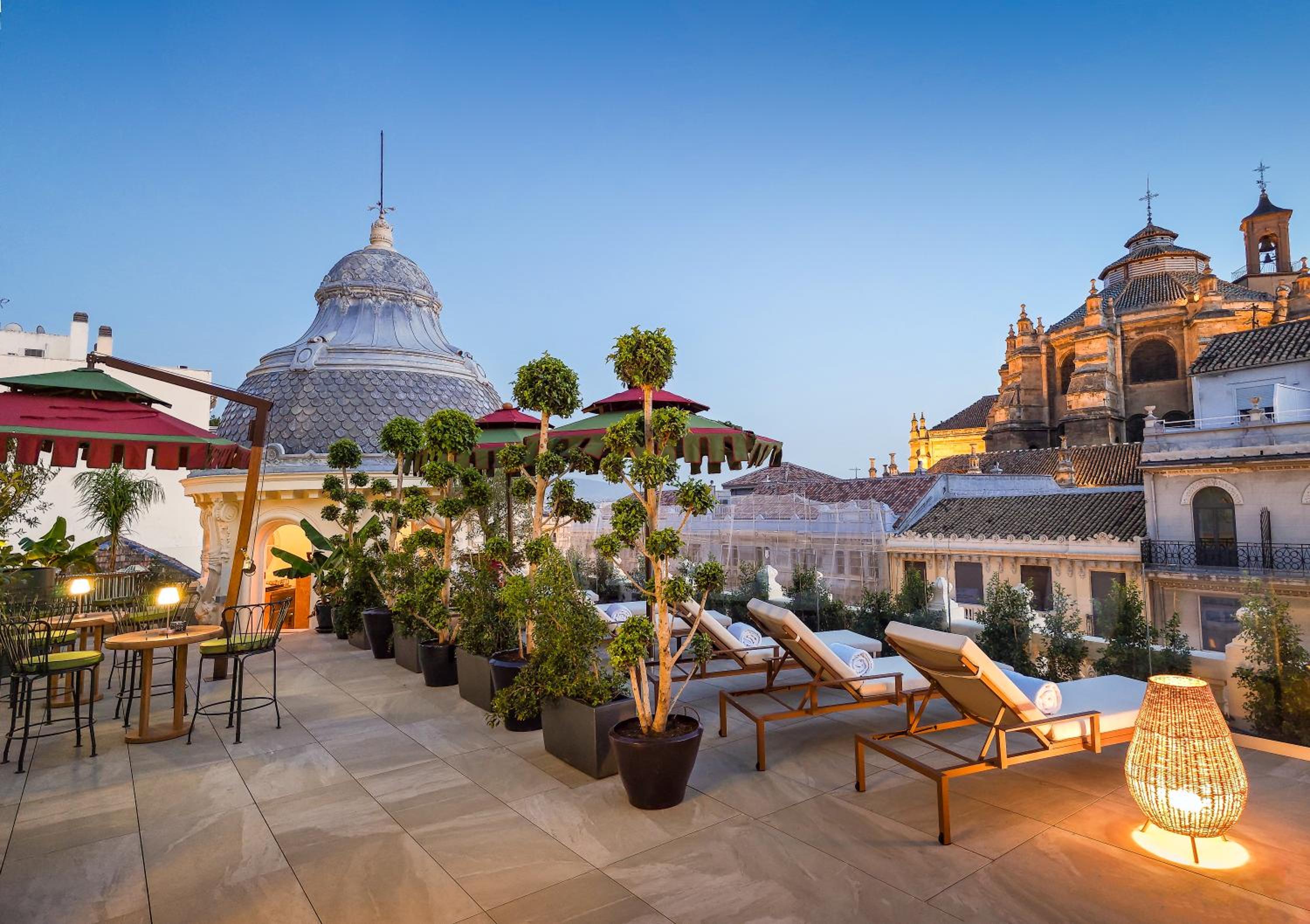
Palacio Gran Vía, a Royal Hideaway Hotel
Gran Vía Colon, 14
Looking for More Options?
Browse thousands of hotels in Granada, Spain with real-time pricing and availability
Browse All HotelsPowered by our hotel partners
Recommended Restaurants


Interesting Facts
This destination has a rich cultural heritage spanning centuries
Known for its unique architecture and historic landmarks
Popular tourist destination with millions of visitors annually
Home to vibrant local markets and traditional crafts
Features a diverse culinary scene with local specialties
Offers a mix of modern amenities and traditional charm